
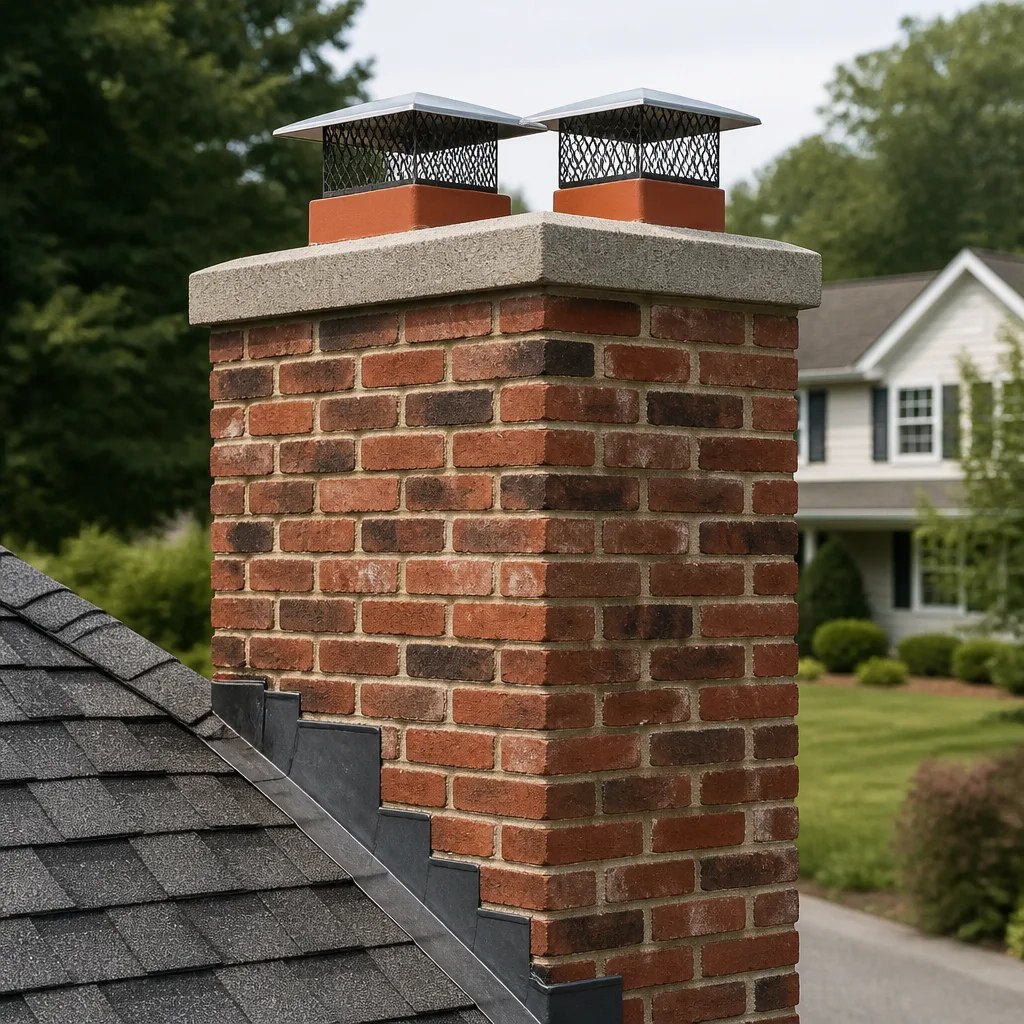
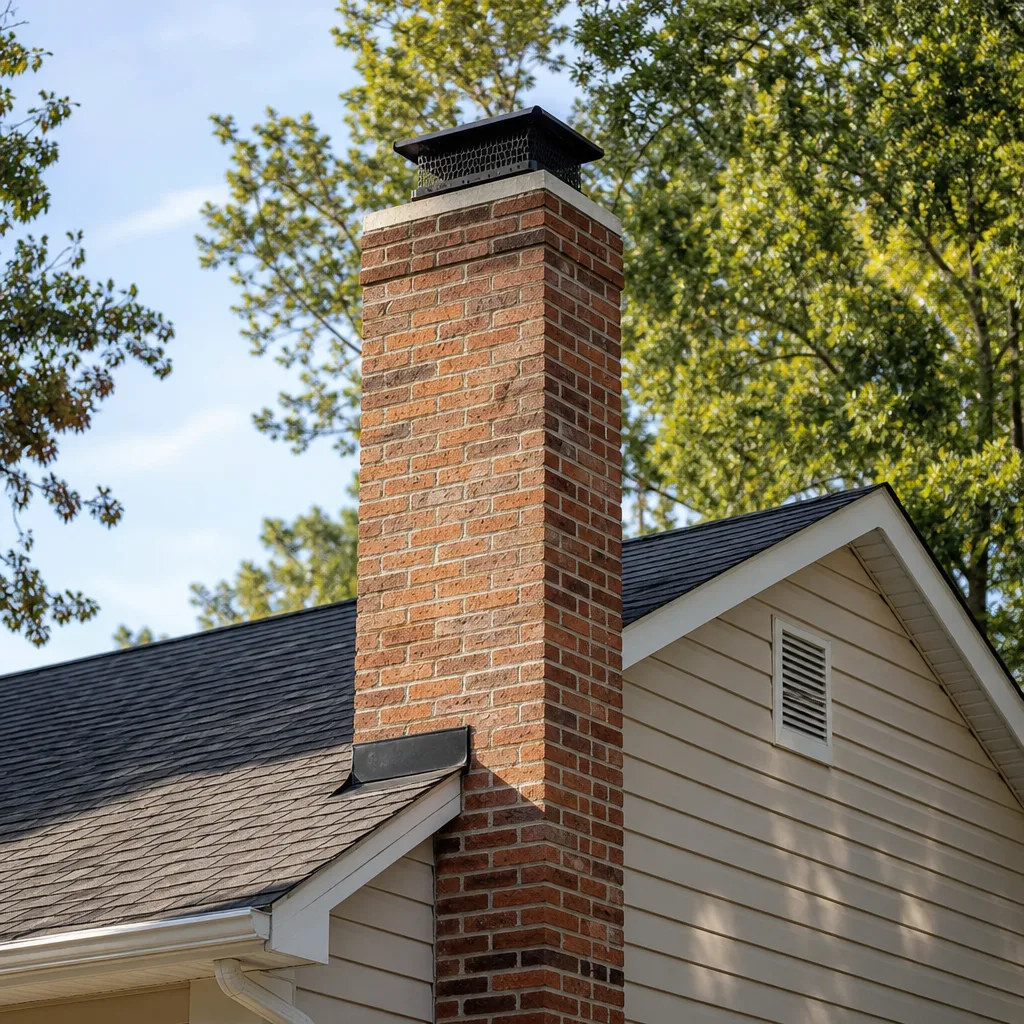
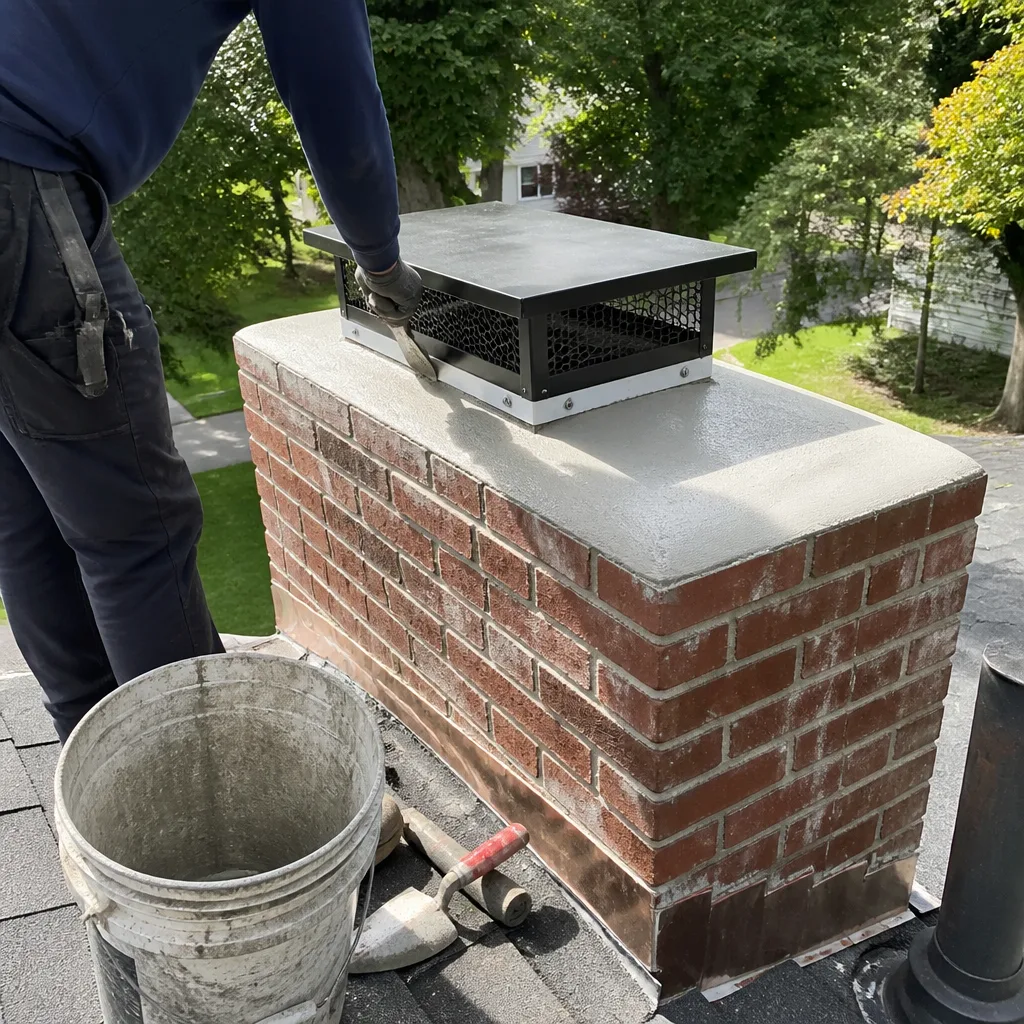
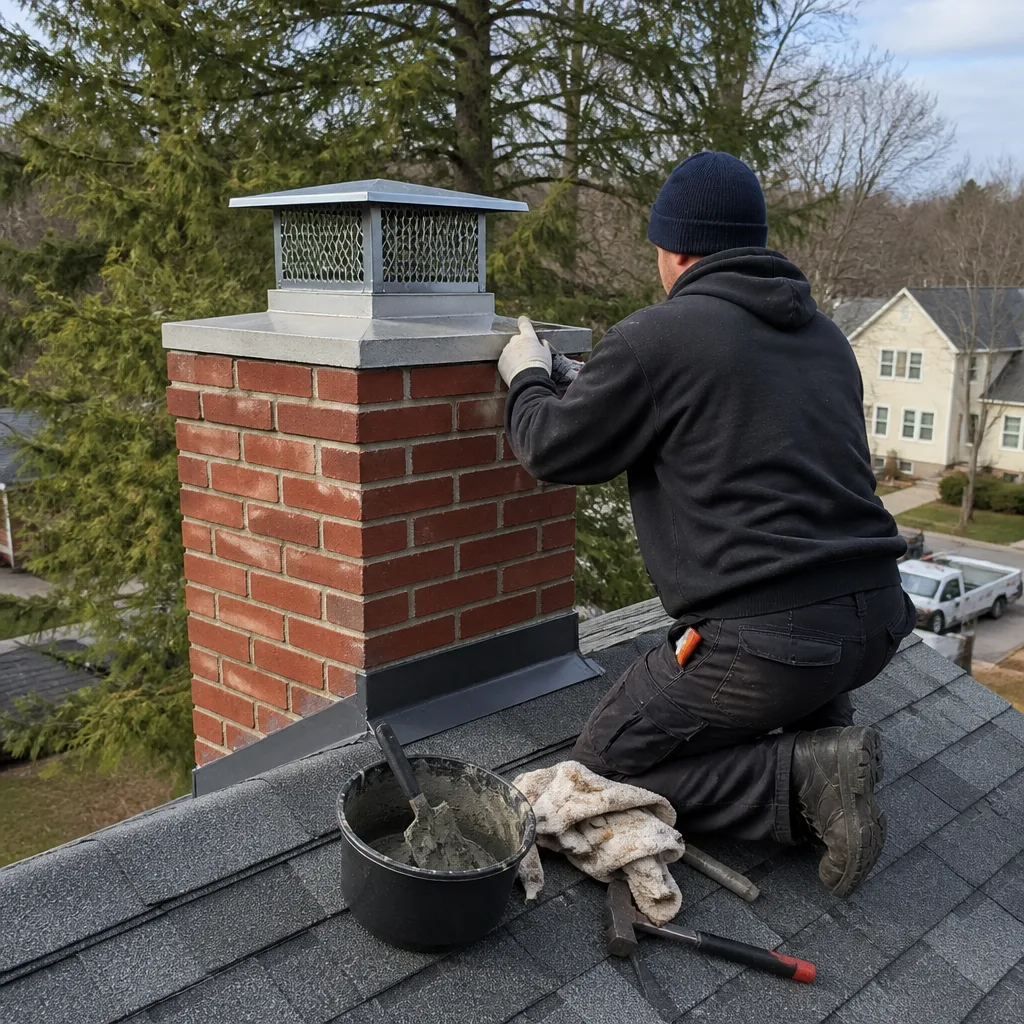
Level 1 sweep and inspection to the NFPA 211 annual standard - flue, crown, cap, and flashing checked and photographed
Chimney sweep logs do not sweep chimneys. They loosen some creosote - which then falls where a brush and vacuum still have to collect it.
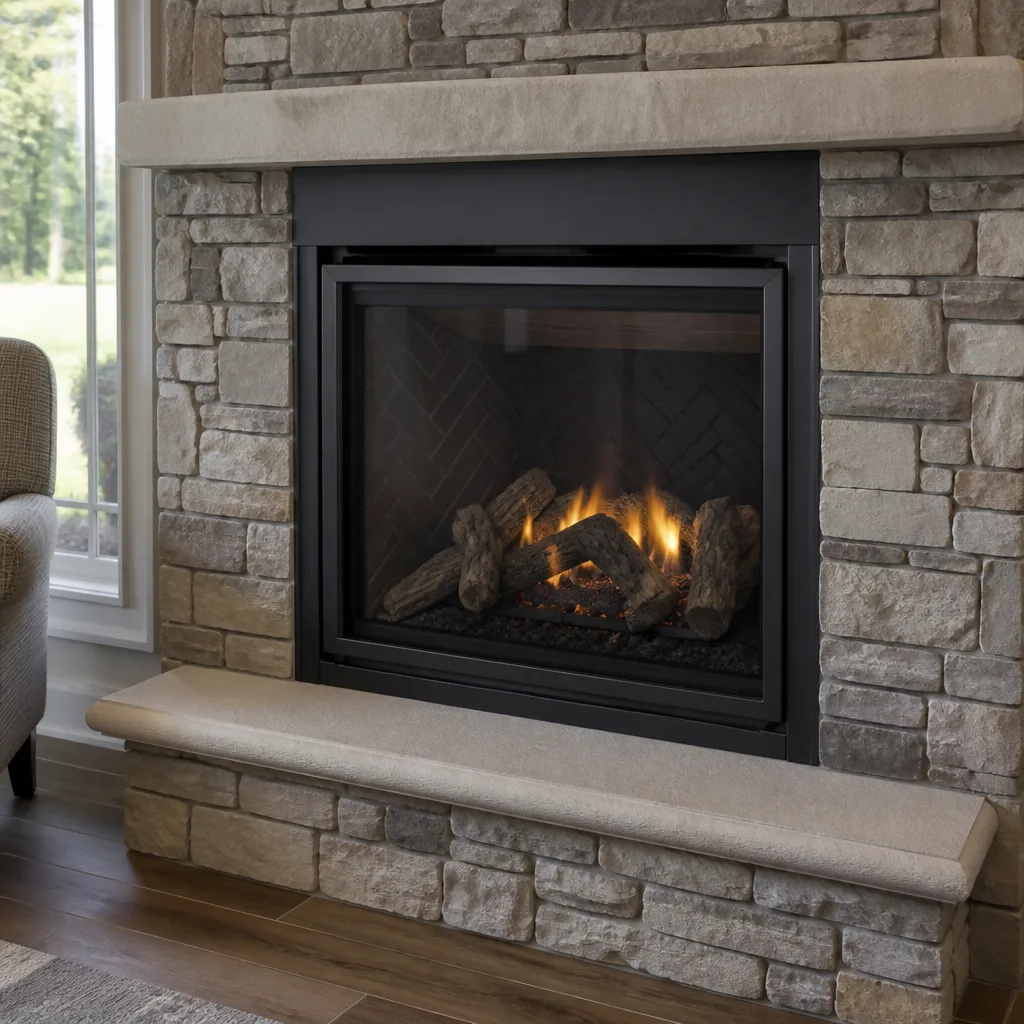
 Before
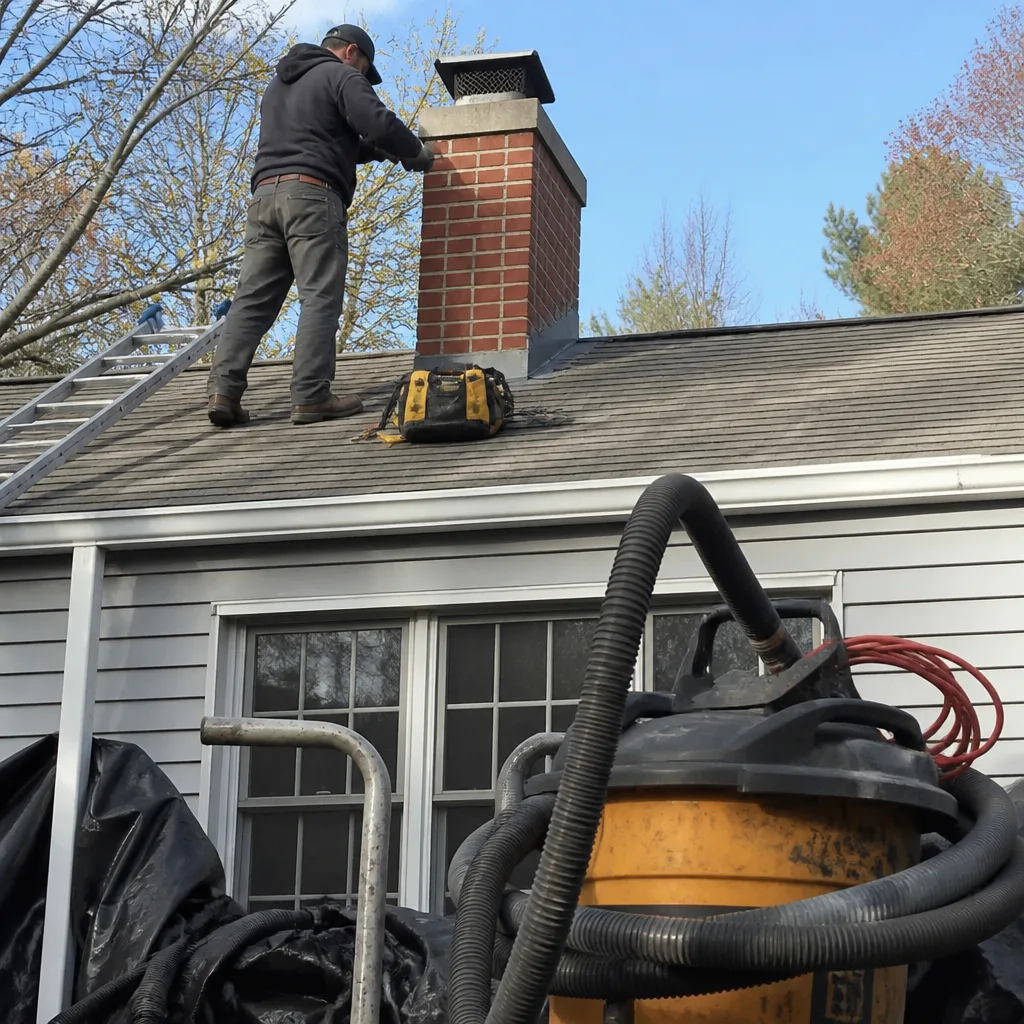 After
After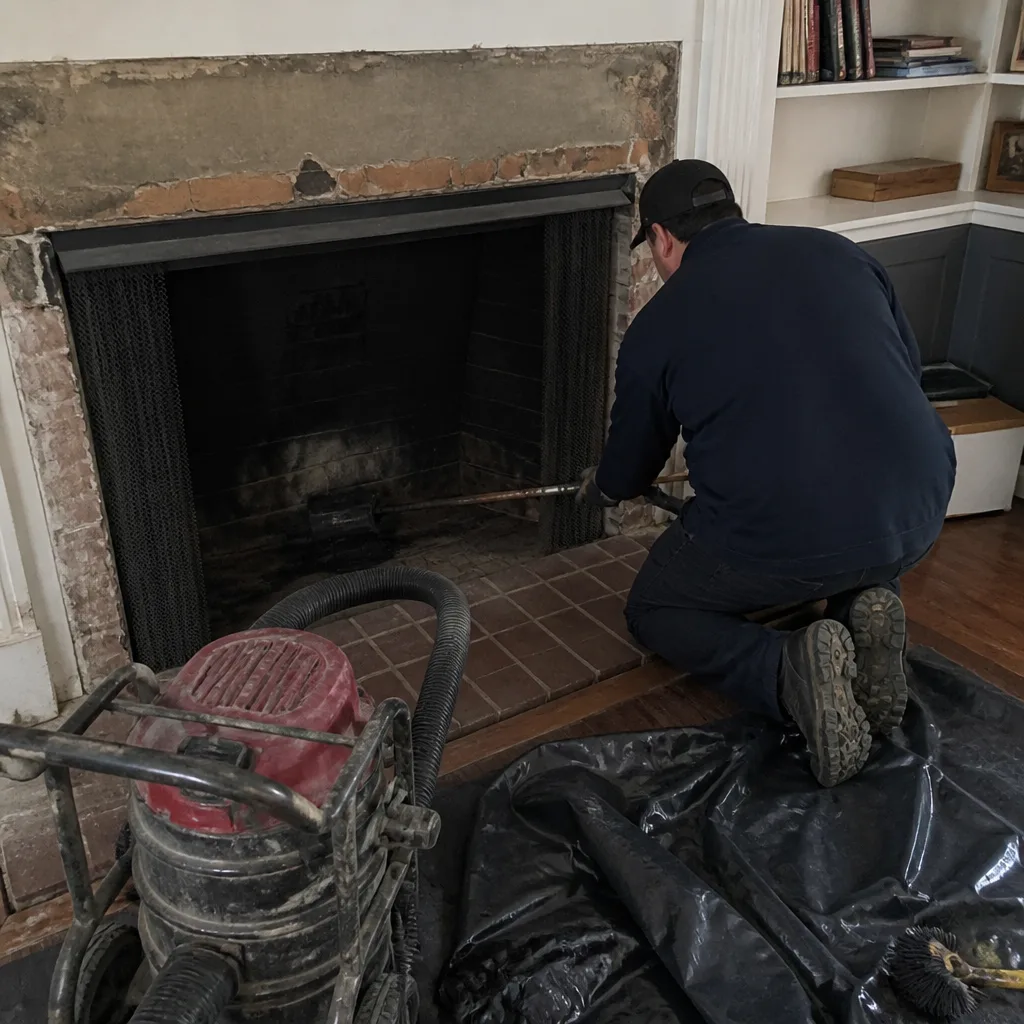 Before
 After
After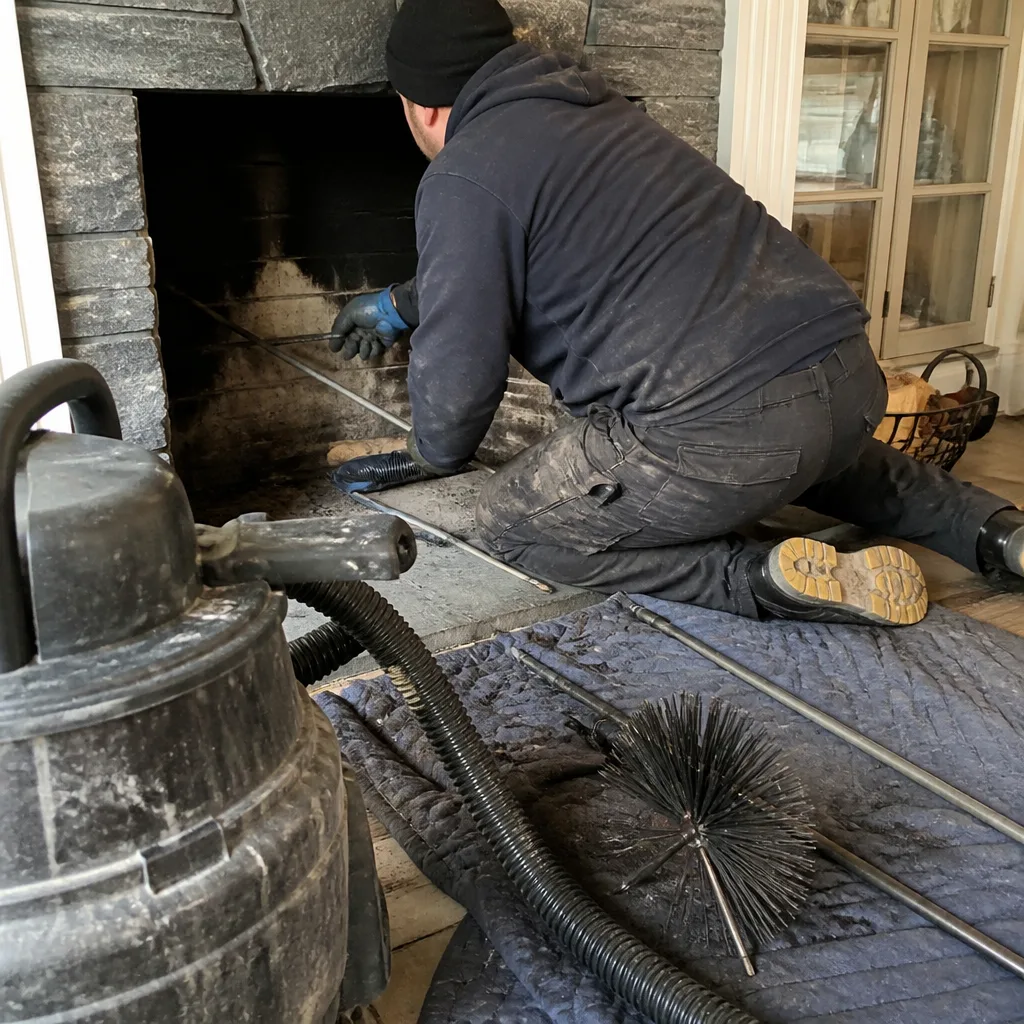 Before
 After
AfterCreosote Removal in Haverhill, MA
Creosote removal in Haverhill typically runs $149 to $499, depending on how much buildup is present and which class of creosote your flue contains – with Class III glazed creosote requiring chemical treatment that takes the job to the higher end of that range. Most visits are completed in a single appointment, and every job starts with a written price before anyone picks up a brush or a chemical applicator.
If you burn wood regularly in a Bradford, Pentucket, or Bradford Common-area home, creosote is building up in your flue right now. That’s not an alarm – it’s just combustion chemistry. What matters is knowing which class of deposit you’re dealing with and removing it before it reaches the point where it can ignite. Our full Chimney Cleaning & Sweep in Haverhill service includes a camera-scan inspection under NFPA 211 Level 2 standards, so we read the flue before we quote the work – not after.
To schedule a camera inspection or get a written estimate, call (351) 444-9705. A live person picks up, any hour.
What Creosote Is and Why It Matters in Haverhill
Creosote is the tar-like byproduct left behind when wood smoke cools against the inside of a flue liner. Every fire produces some. The rate at which it accumulates – and how dangerous it becomes – depends on burn temperature, wood moisture content, and how often you schedule Chimney Cleaning & Sweep services.
The trade sorts creosote into three classes, and understanding the difference matters when you’re budgeting for removal:
- Class I: Dry, flaky soot – mostly carbon. Brushes off during a standard sweep. This is what you want to see.
- Class II: Denser, tar-like deposits with some shine. Requires more aggressive rotary cleaning tools. Common in Haverhill homes where fires run low and slow through a New England winter.
- Class III: Glazed, hardened, and sometimes shiny black. Brushes won’t touch it. Needs chemical treatment – typically a two-stage process – and a follow-up sweep. This is the class associated with chimney fires.
Haverhill sits in the Merrimack Valley, where heating seasons run long and cold snaps in January push homeowners to load the firebox heavy. We regularly see Class II and early Class III deposits in older homes along Kenoza Avenue and in the historic districts near Washington Street – partly because the flues in those houses were built for coal or oil, not the lower-flue-temperature burn profile of a modern EPA-rated wood insert. A thorough Fireplace Cleaning helps manage these deposits.
A glazed Class III deposit doesn’t just restrict airflow. It’s fuel. If a stray ember ignites it, flue temperatures can exceed 2,000 degrees Fahrenheit in minutes. That’s not a theoretical risk – it’s the leading cause of structure fires traced to chimney systems.
When You Need Creosote Removal
- You smell something acrid or oily when the fireplace is in use. That odor is creosote vapor being pushed back into the room, usually because a partial blockage is slowing the draft. In tighter modern homes in Haverhill’s newer subdivisions near Route 125, negative pressure makes this worse.
- You notice black, oily staining on the damper or smoke chamber walls. Staining that runs downward is a sign that liquid creosote has been condensing and settling – a classic Class II signature.
- You hear a low rumbling or crackling sound in the flue during a fire. Any unusual sound from inside the chimney during use warrants an immediate camera inspection. Do not use the fireplace again until a technician has looked at the liner.
- Your last inspection noted “heavy deposits” or “Class II buildup” without a follow-up cleaning. If you received that written report and didn’t schedule a cleaning, the deposit has had another season to harden. Class II becomes Class III faster than most homeowners expect.
- You burn wood more than two nights per week through the heating season. At that frequency, annual cleaning is not enough for many Haverhill homes – especially if the wood isn’t fully seasoned. Green wood burns cooler and produces far more creosote per cord than kiln-dried or properly seasoned splits.
- You’ve purchased a home with a fireplace and haven’t seen the inspection records. Buyers who closed on homes in Bradford or the Hilldale neighborhood between 2020 and 2025 frequently tell us the disclosure packet included no chimney documentation. We find Class II deposits in roughly one out of three of those inspections.
 Before
 After
AfterOur Creosote Removal Process
- Camera-scan inspection first. Before quoting creosote removal, we send a camera down the flue and read the liner under NFPA 211 Level 2 standards. This tells us the class of deposit, the condition of the liner, and whether there are cracks or gaps that would affect how we clean. You see the footage. This step is not optional – it’s Clause 4 of the Haven Standard, and it’s been our default since 2009.
- Written price before any work begins. Once we know what’s in the flue, we hand you a written scope, a written price, and a written warranty. No verbal estimates, no “we’ll figure it out once we’re inside.” Clause 1 of the Haven Standard: have it in writing. If the camera reveals Class III glazed creosote and that changes the job, the new written price is in your hand before a single chemical is applied.
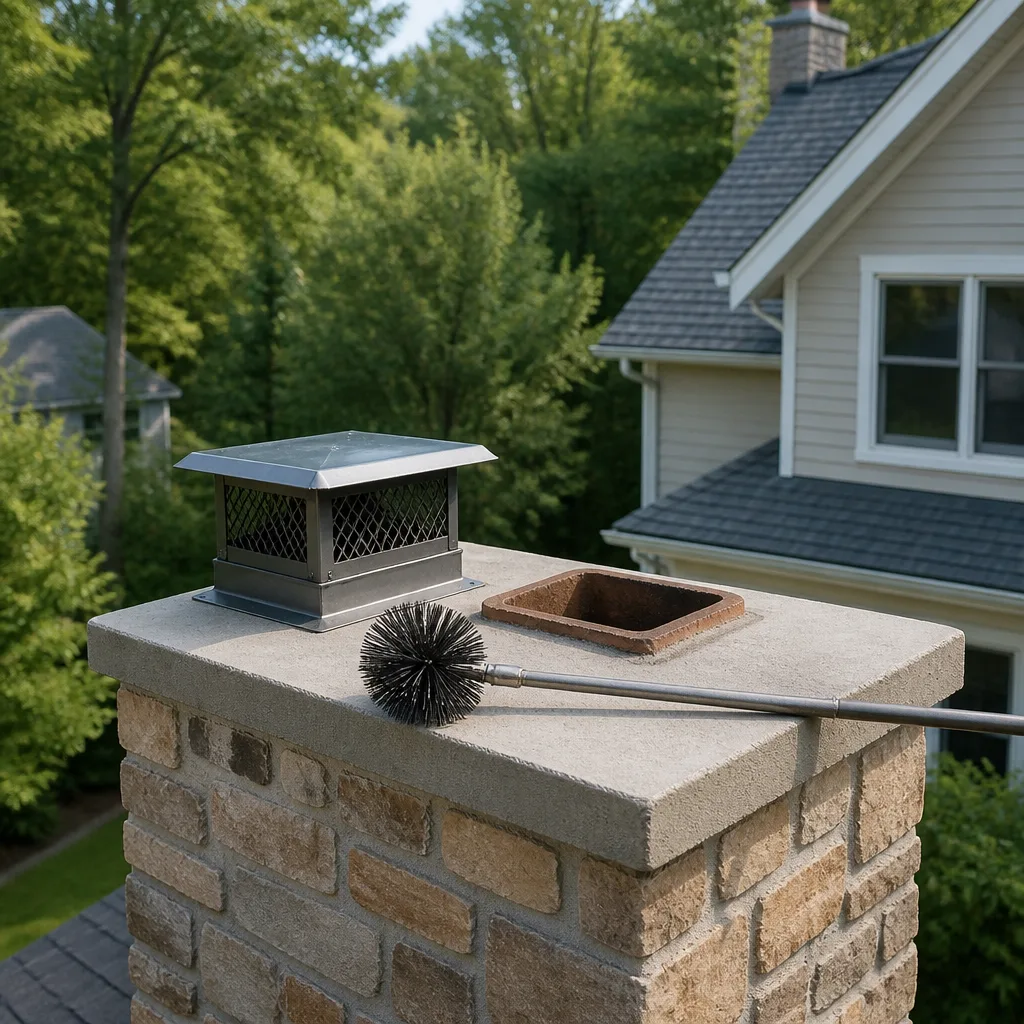
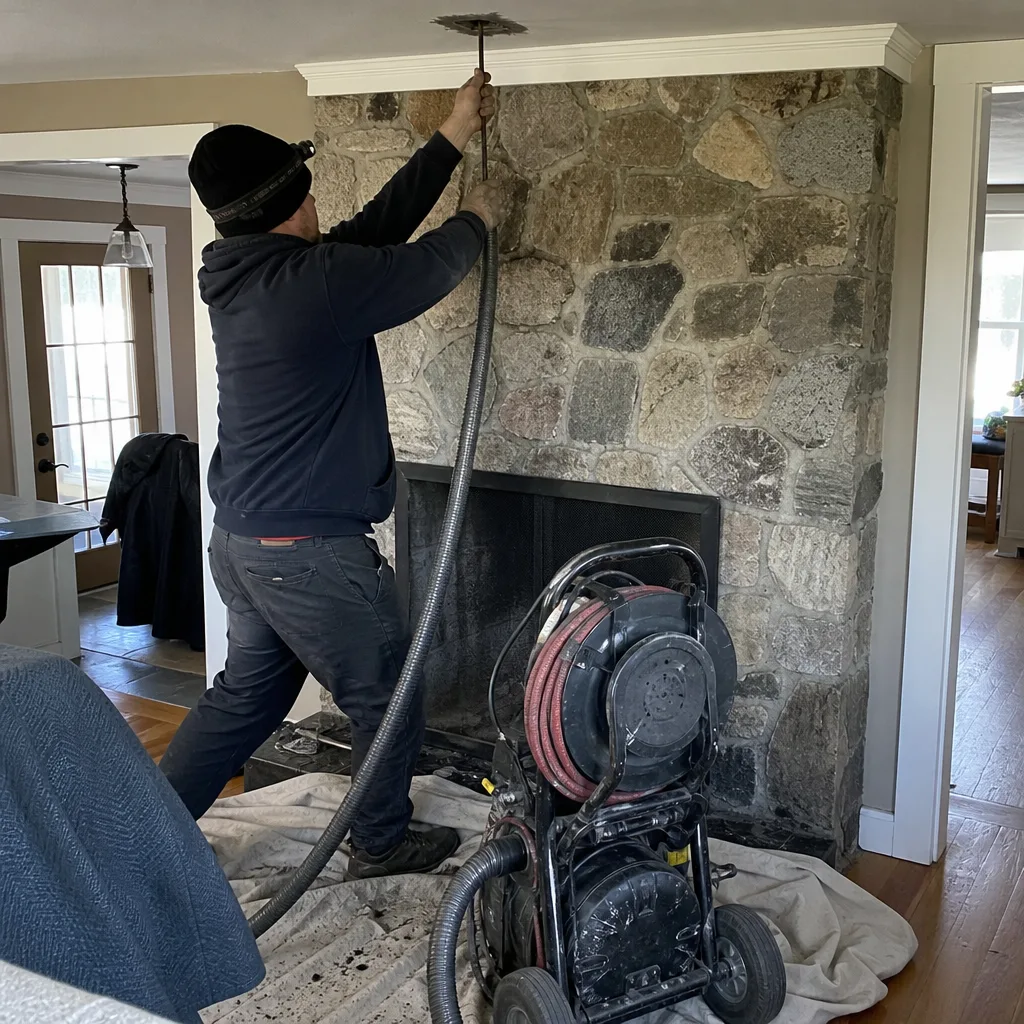
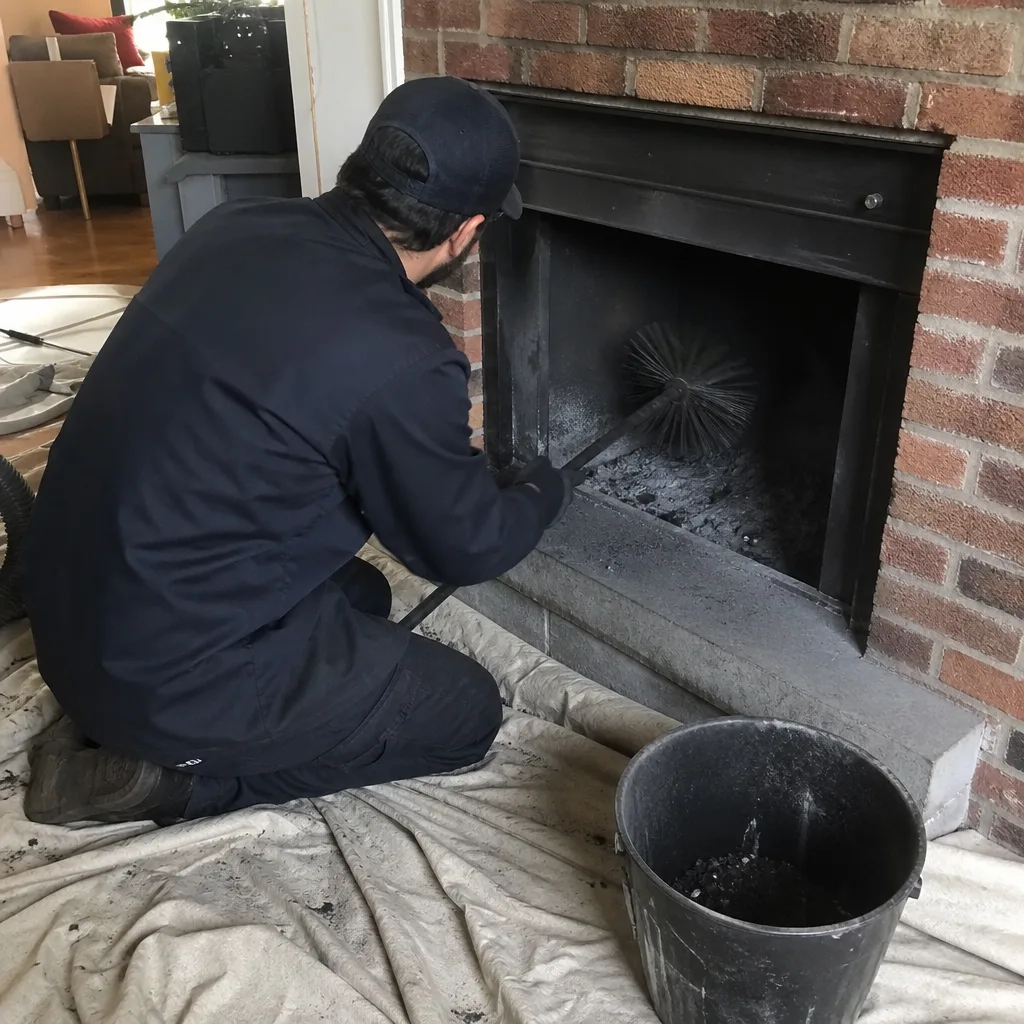
- Class I and II removal by rotary brush system. For Class I and light Class II deposits, we use a professional-grade rotary cleaning system that breaks up and removes buildup without abrading the liner. We work from the top down, contain dust with drop cloths and a negative-pressure vacuum at the firebox, and verify the smoke chamber and smoke shelf are cleared as part of the standard scope.
- Class III chemical treatment. Glazed creosote requires a chemical application that penetrates and converts the deposit from a hard glaze to a brushable ash. We apply the agent, allow the dwell time the chemistry requires, and return for a follow-up sweep – typically scheduled 1 to 2 weeks later. We use products sourced through the Haven buying network, which keeps material costs lower than retail procurement and keeps your final price honest.
- Post-removal camera verification. After cleaning, the camera goes back down. You see the before and after on the same visit when the schedule allows, or on the follow-up for Class III jobs. The documented photo record is part of every job under Haven Standard Clause 4 – not an add-on, not something we charge extra for.
- Written documentation on completion. When the job is done, you receive a written record: what was found, what was done, the products used, and the warranty terms. That file is yours – useful for insurance purposes, for your records, and for any future sale of the home.
Creosote Removal Pricing in Haverhill
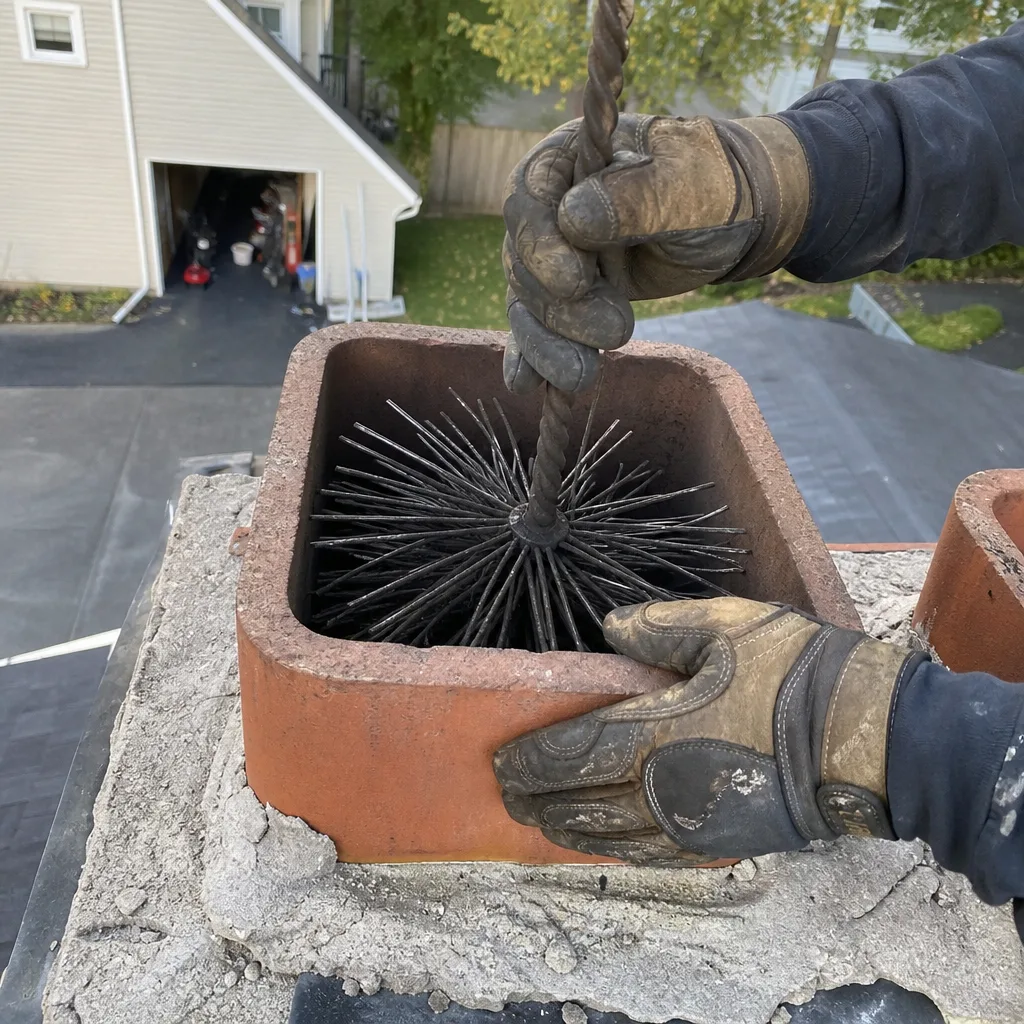
Creosote removal in Haverhill runs $149 to $499 for most residential jobs. Here’s how that range breaks down:
| Creosote Class | Typical Price Range | What’s Included |
|---|---|---|
| Class I (light, flaky) | $149 – $229 | Standard sweep, camera scan, photo record |
| Class II (tar-like, moderate) | $229 – $349 | Rotary brush cleaning, camera scan before and after, photo record |
| Class III (glazed, hardened) | $349 – $499 | Chemical treatment, two visits, camera scans, full photo record |
A few factors push jobs toward the higher end of a given range:
- Flue height. Taller chimneys – common in older three-story Victorians in Haverhill’s Ward 4 and Ward 5 historic areas – require more time on the roof and more linear footage of cleaning.
- Multiple flues. Some older Haverhill homes have two or three separate flues serving different appliances. Each flue is priced separately.
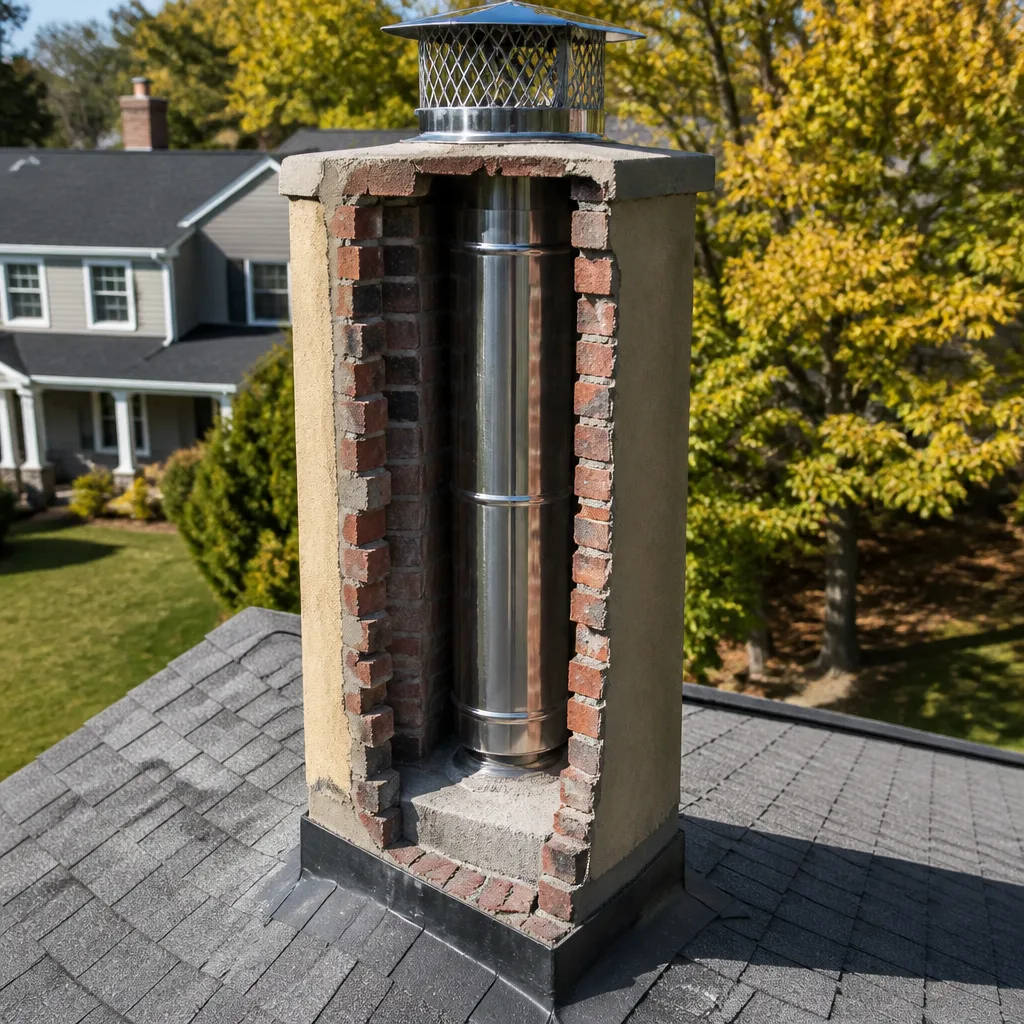
- Liner condition. If the camera reveals a cracked tile liner or significant spalling alongside the creosote, that’s a separate scope and a separate written price. We separate the two so you know exactly what you’re paying for each.
- Access. Steeply pitched roofs – a common feature in Haverhill’s neighborhoods built before 1950 – take longer and require additional safety equipment. We factor that in before we quote, not after.
Every estimate is free. If you have a written estimate from another company, bring it to us – we offer a Free Second Opinion on any written quote.
Call (351) 444-9705 to schedule a camera inspection and get a written price the same day.
FAQs – Creosote Removal in Haverhill
How much does creosote removal cost in Haverhill, MA?
Creosote removal in Haverhill costs between $149 and $499 for most single-flue residential jobs, with the price determined by which class of deposit is present. Class I and II removal falls in the $149 to $349 range; Class III glazed creosote, which requires chemical treatment and a follow-up visit, runs $349 to $499. Every job includes a camera inspection and a photo record – those aren’t add-ons. Call (351) 444-9705 for a written estimate at no charge.
Can Class III glazed creosote be removed, or does the liner need to be replaced?
Class III creosote can usually be removed with a two-stage chemical treatment process without replacing the liner – but that answer depends on what the camera shows. Glazed deposits sometimes mask underlying liner damage: cracked tiles, deteriorated mortar joints, or gaps at the liner connections. If the liner is sound, chemical treatment followed by a thorough sweep resolves the deposit. If the liner is compromised, we’ll tell you that in writing before we recommend either path. Liner replacement is a separate scope with a separate price, and we won’t roll the two together without your explicit sign-off.
How often should Haverhill homeowners have their chimney cleaned to prevent heavy creosote buildup?
Annual cleaning and a Level 1 Inspection are the baseline that NFPA 211 recommends for any chimney connected to a wood-burning appliance. In Haverhill, where heating seasons run from October into April and many homeowners burn two or more nights per week, we typically suggest an inspection in September before the season starts and a mid-season check if you’re burning heavily. Homes with older, unlined flues – still common in the Bradford and Merrimack neighborhoods – accumulate deposits faster and benefit from more frequent checks. If you’re not sure what your flue looks like right now, a camera inspection is the only way to know.
Is creosote removal safe to do without a professional?
Basic Class I soot can be brushed by a homeowner who understands flue access and has the right equipment – but Class II and Class III deposits are a different matter. Rotary cleaning systems require training to avoid damaging tile liners, and the chemical agents used for Class III glazed creosote are not consumer-grade products. More to the point: if you don’t inspect the liner before you clean, you’re removing surface material without knowing whether there’s a crack behind it that’s been venting combustion gases into the framing. That’s the real risk. A camera inspection costs far less than the damage a missed liner crack can cause. We’d rather you call us and know what you have than guess.
Why Haverhill Homeowners Choose Level Two Chimney
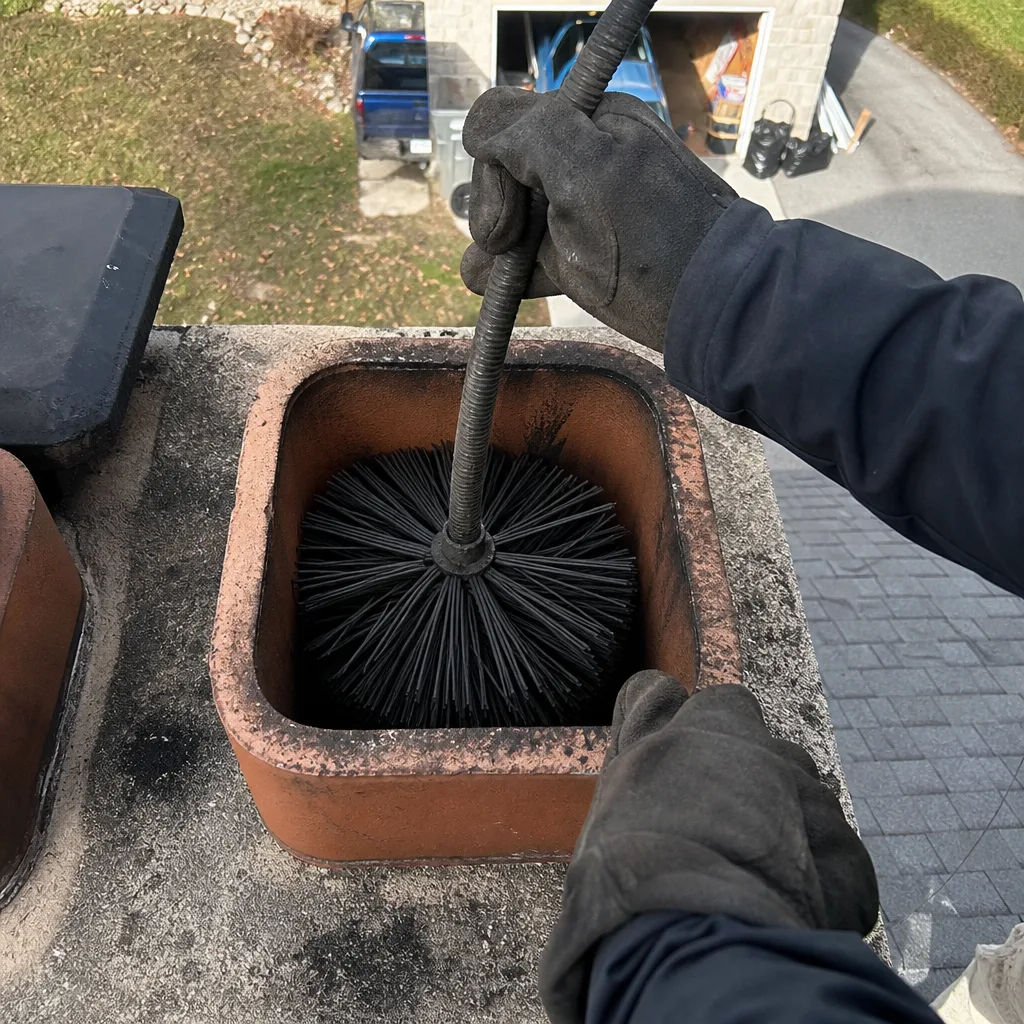
The name isn’t a marketing phrase. Level Two refers to the NFPA 211 Level 2 Inspection standard – camera down the flue, liner documented, smoke chamber checked, written record at the end. That’s the baseline for every visit, not a premium tier.
When Corrine Halstead built the company’s inspection protocol in 2009, camera-scan documentation wasn’t common practice in the chimney trade. Most companies were still doing visual-only inspections – a flashlight and a mirror. Level Two made camera documentation the default, documented it as Clause 4 of the Haven Standard, and has applied that standard to more than 38,000 chimney inspections and cleanings since. The written price before work starts, the photo record on completion, the 365-Day Done Right Promise – those aren’t policies that got added later. They were the founding terms.
For Haverhill homeowners who bought their home in the last ten years and are seeing a fireplace for the first time without any documentation behind it, that record matters. You know what’s in the flue. You know what was done. And you have something in writing that travels with the house if you ever sell.
We source materials through the Haven buying network – including products from HeatShield and Gelco – specifically to keep prices lower than what a company buying at retail can offer. That buying structure is part of how we put a real number on the page instead of asking you to call for a quote.
Haverhill is one of the cities we know in detail: the flue profiles in the historic Ward 4 Victorians, the prefab fireplace systems that went into the subdivisions off Route 97 in the 1980s, the unlined brick chimneys in the triple-deckers along River Street. Those aren’t scenery – they’re context that changes how we read a camera and write a scope.
To get a written price and a camera inspection, call (351) 444-9705. If you’d like to understand the full scope of what a sweep visit covers, visit our home page or review the details on the parent Chimney Cleaning & Sweep in Haverhill page. Estimates are free, and the price you receive will be written before anyone starts work – that’s not a promise we made up for this page, it’s Clause 1 of the Haven Standard.
Written by Corrine Halstead, Owner at Level Two Chimney Haverhill, serving Haverhill.