
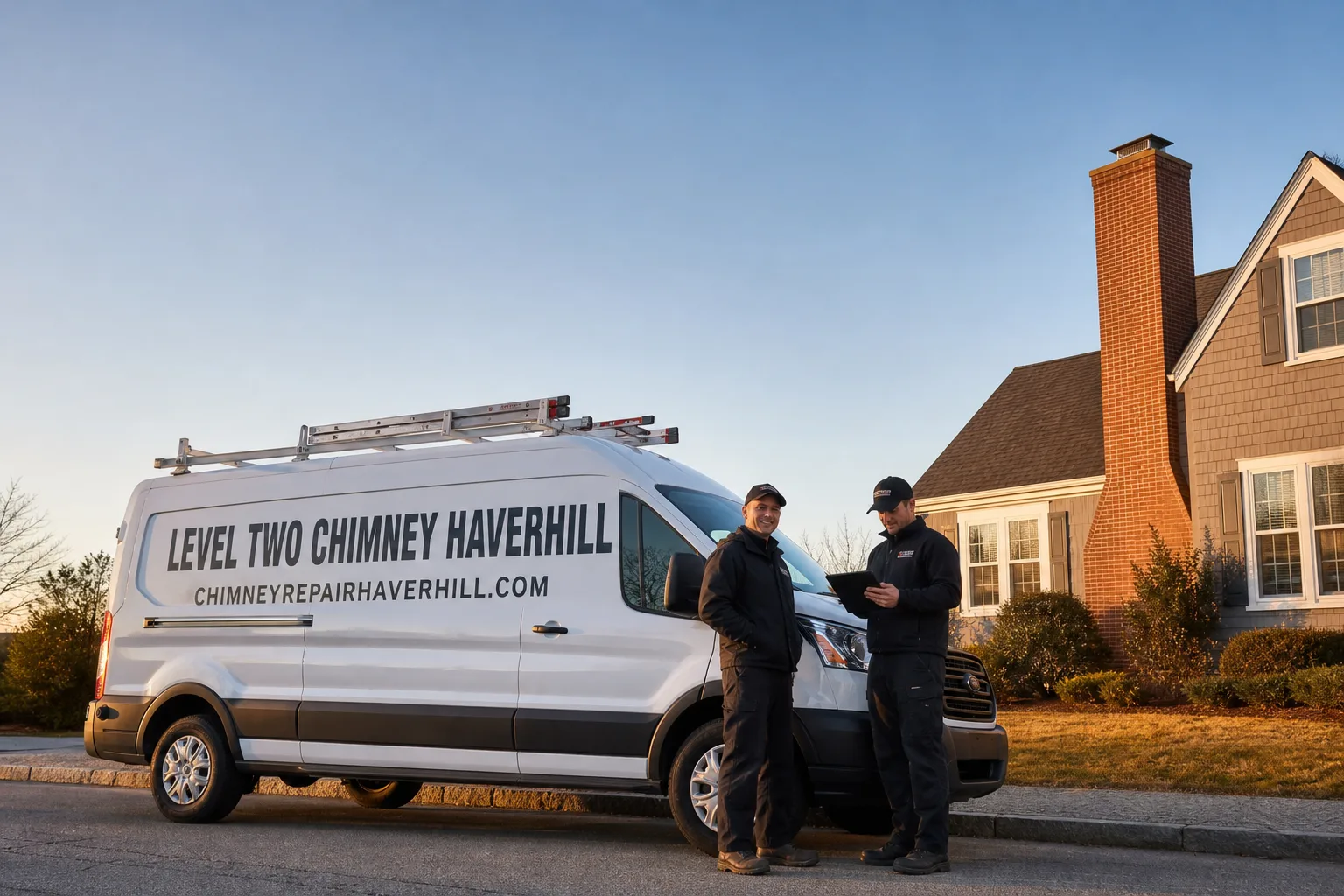
Level 1 sweep and inspection to the NFPA 211 annual standard - flue, crown, cap, and flashing checked and photographed
Chimney sweep logs do not sweep chimneys. They loosen some creosote - which then falls where a brush and vacuum still have to collect it.
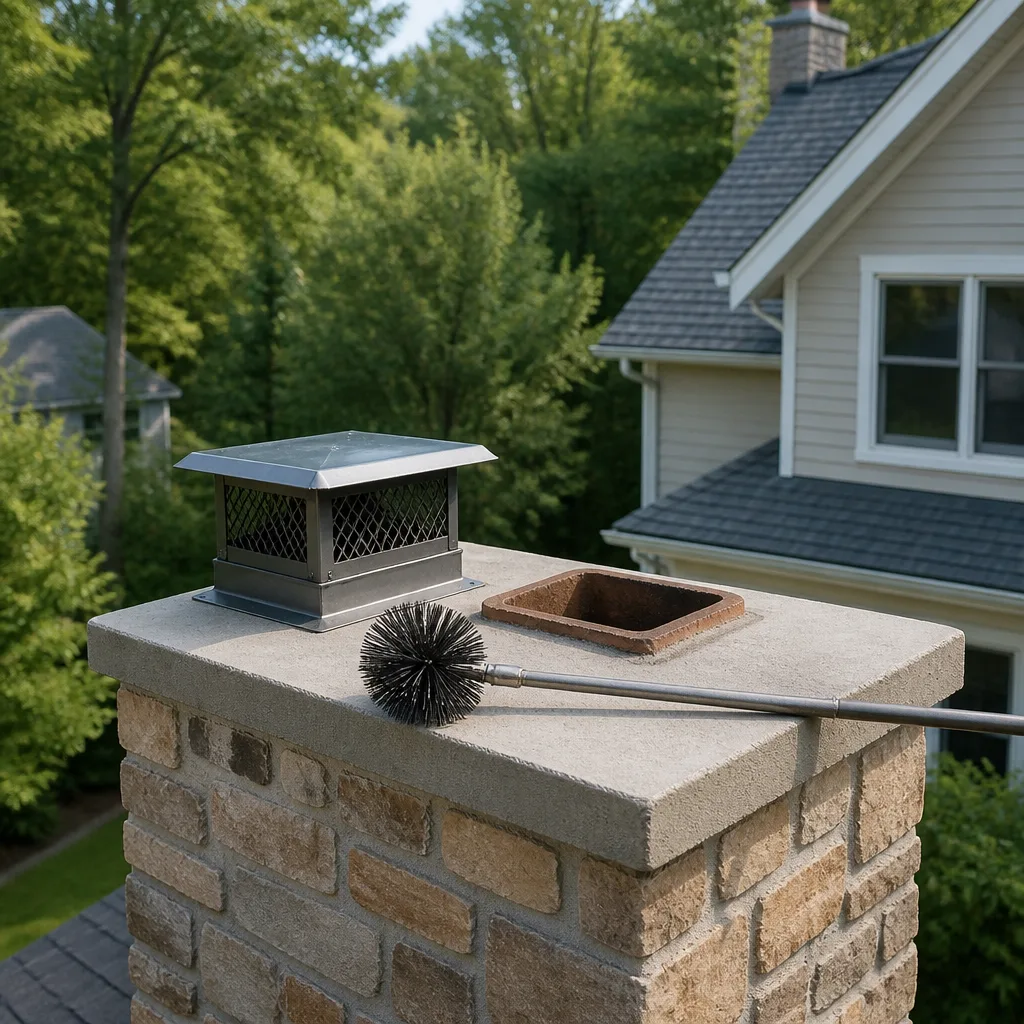
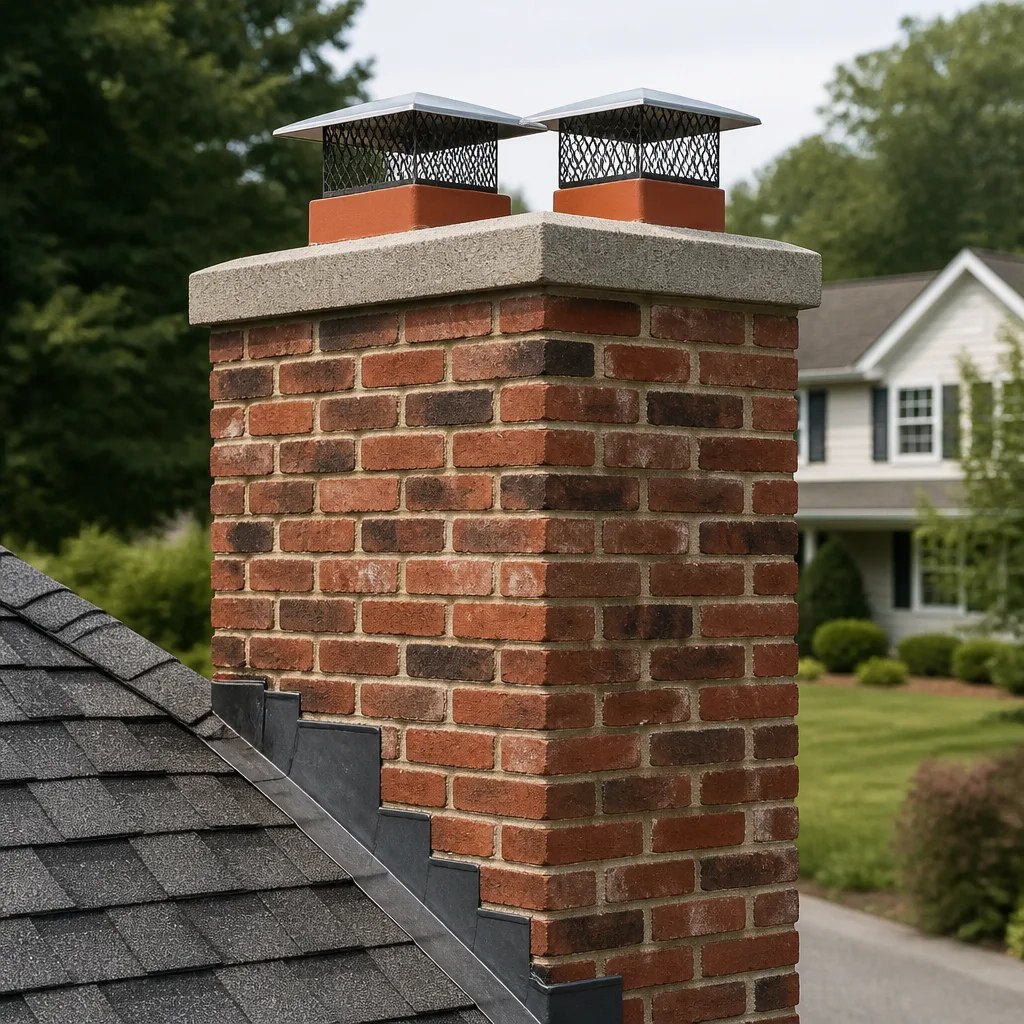
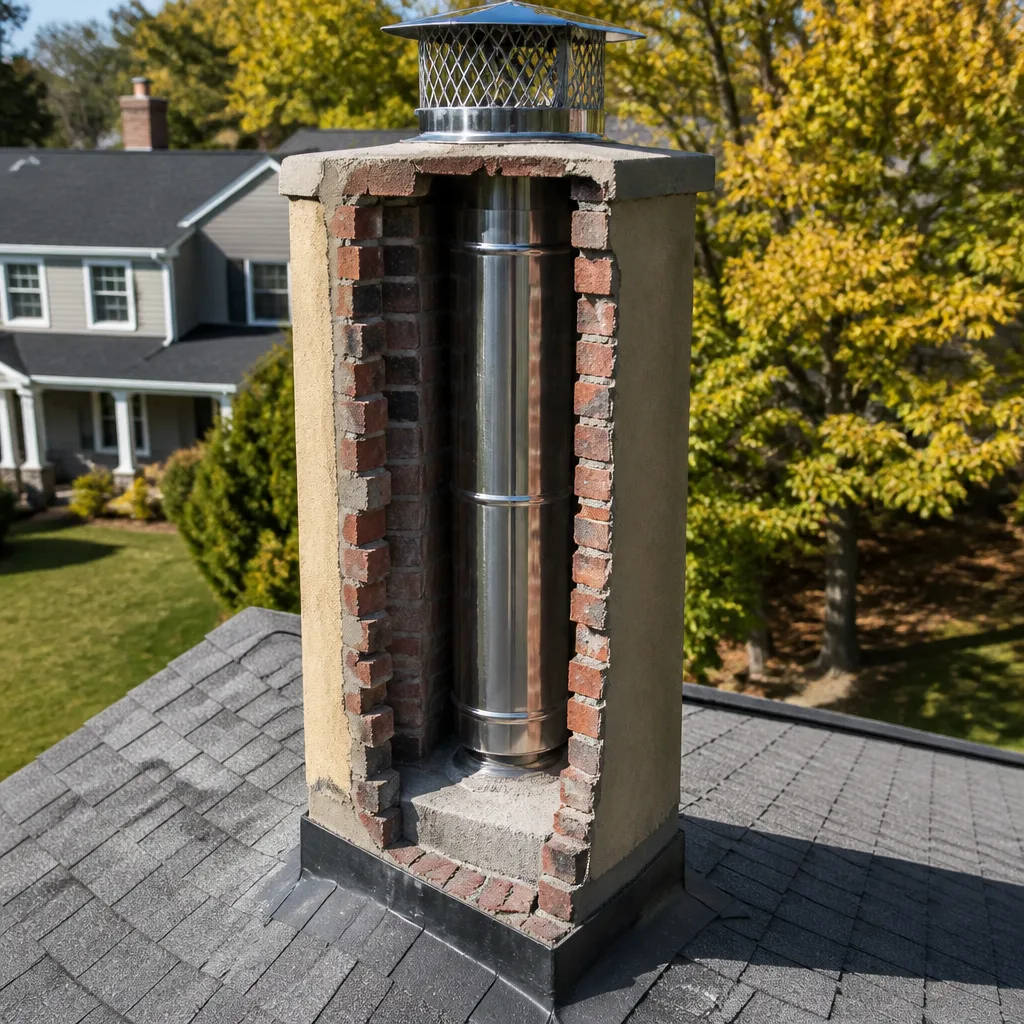
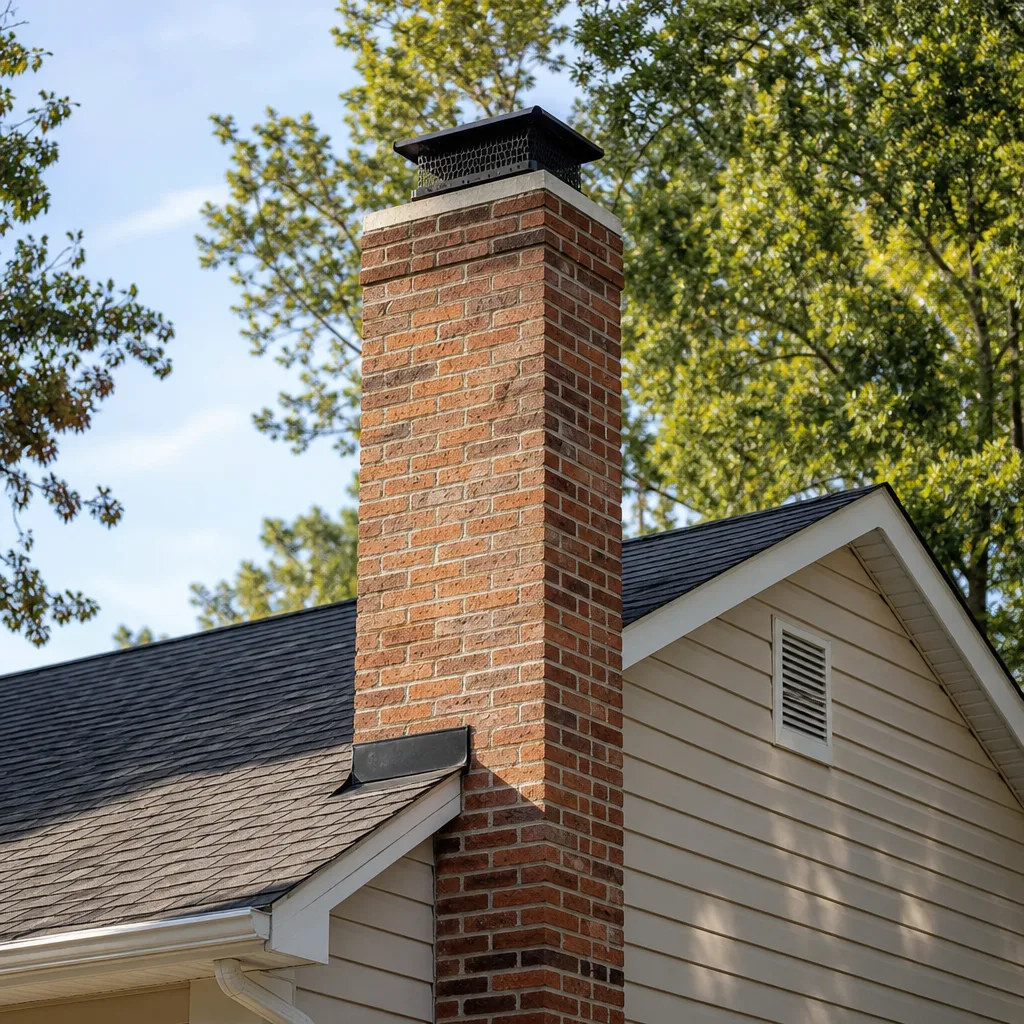
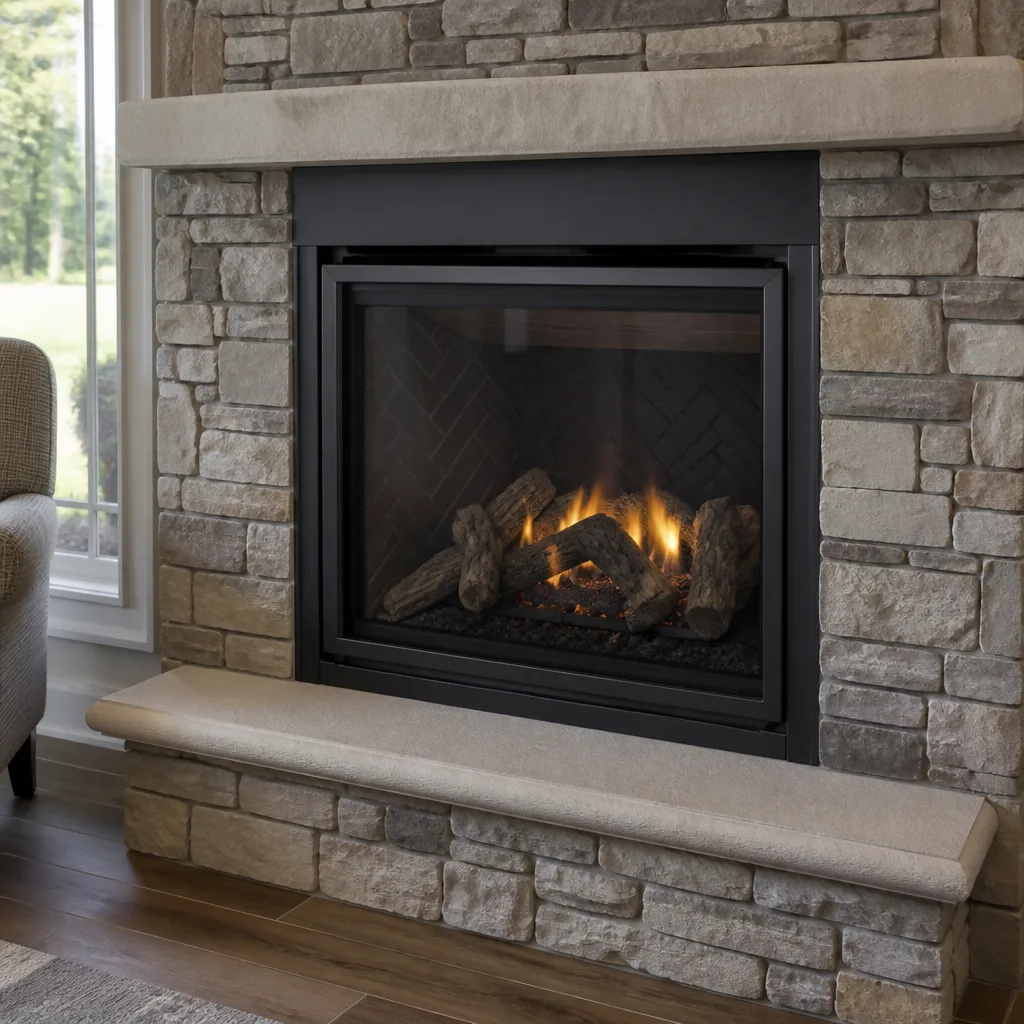
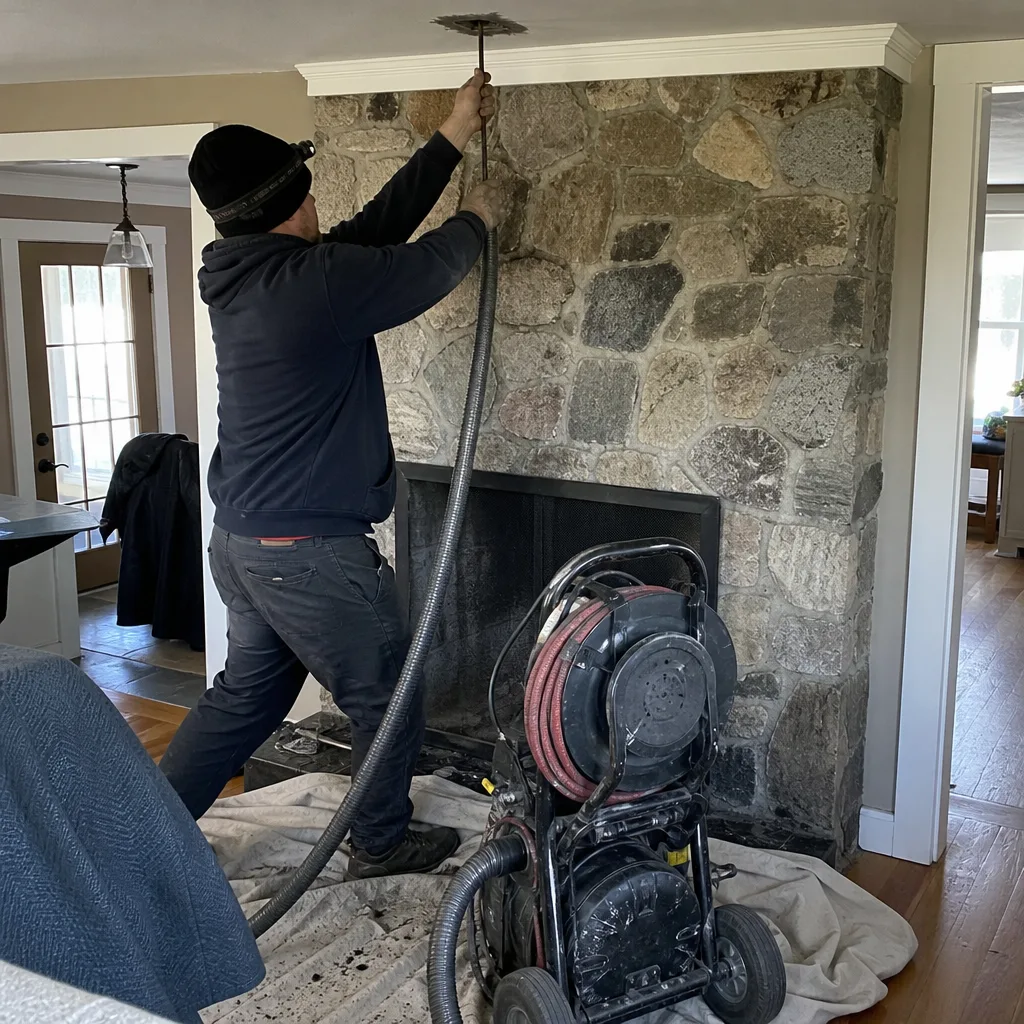 Before
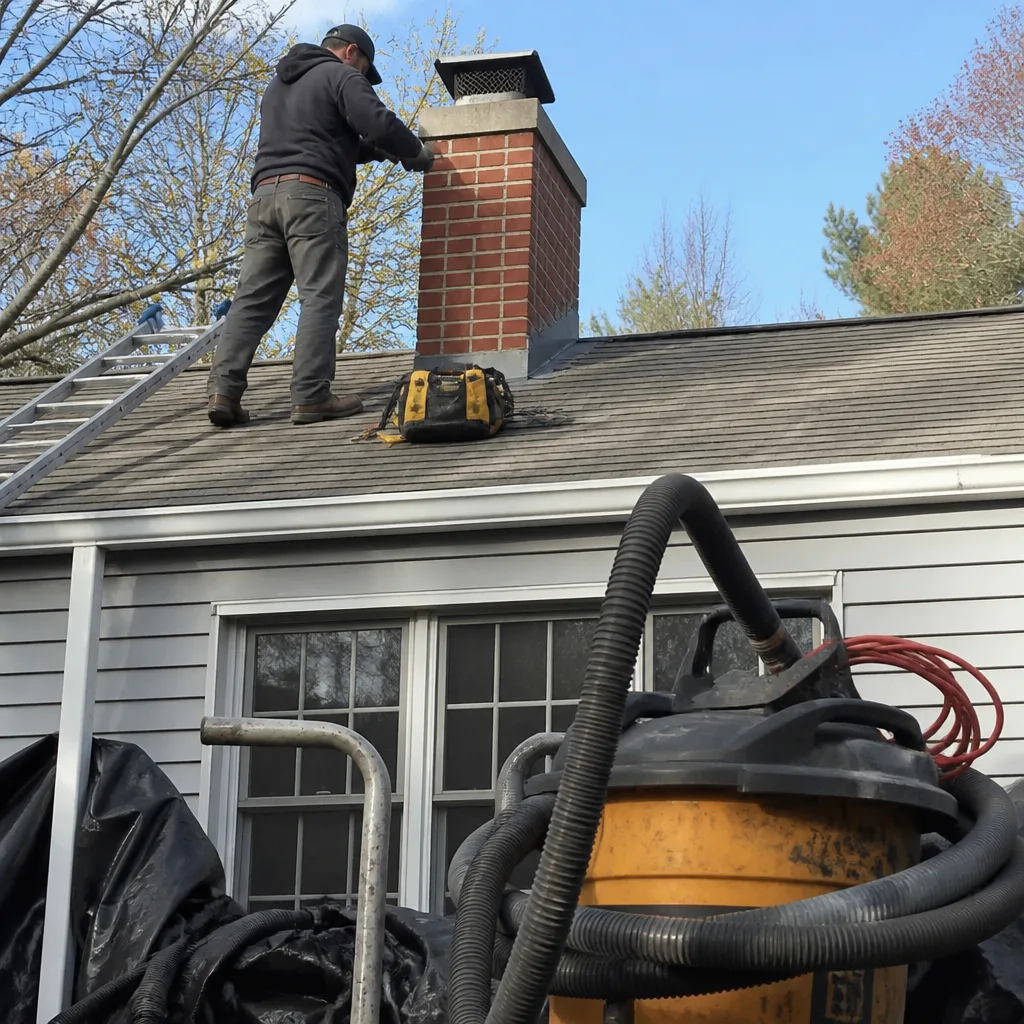 After
After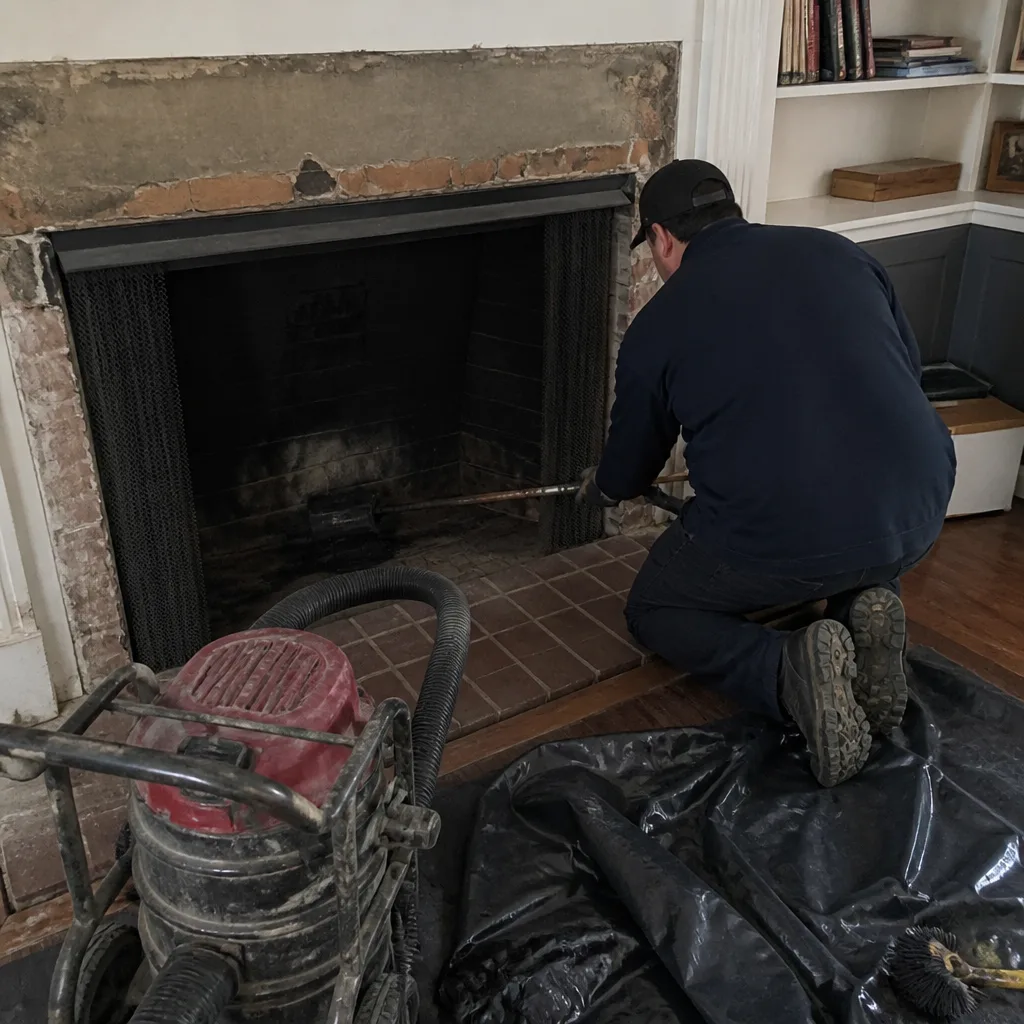 Before
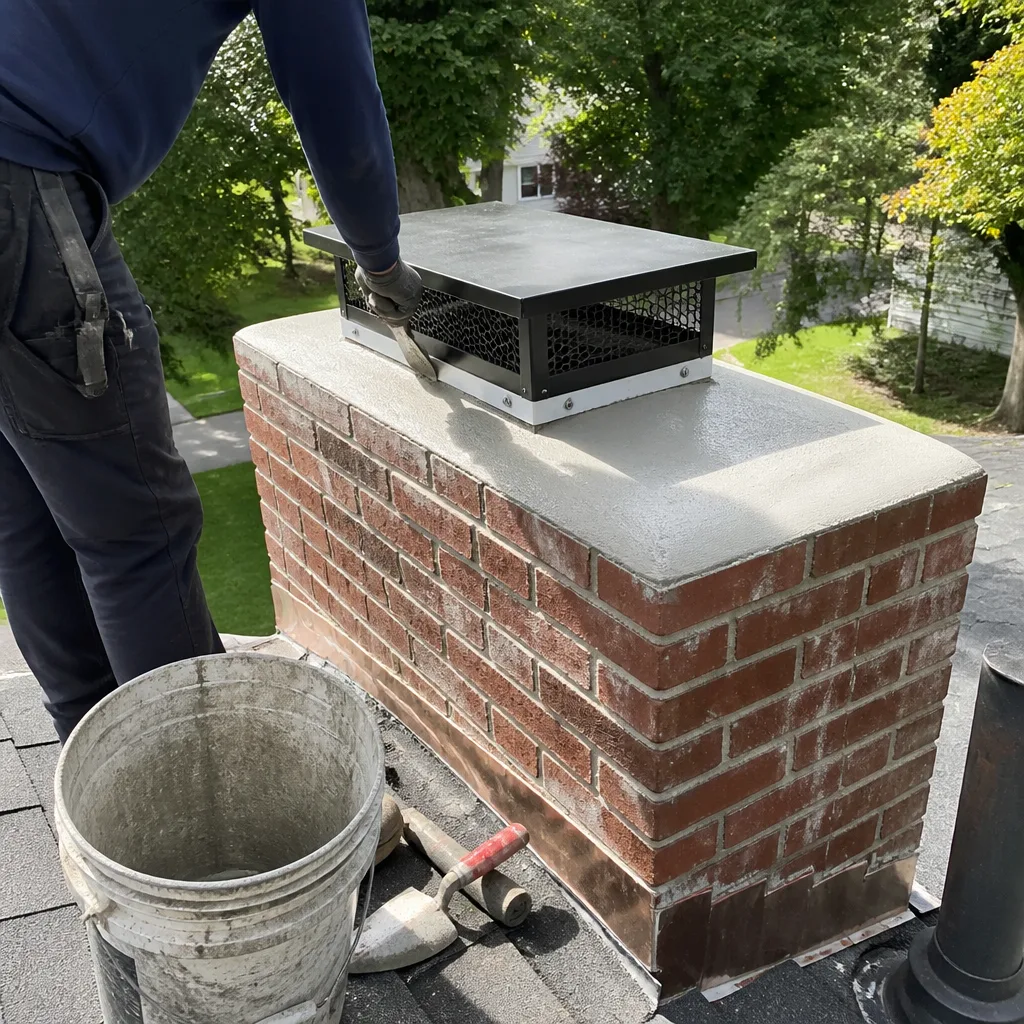 After
After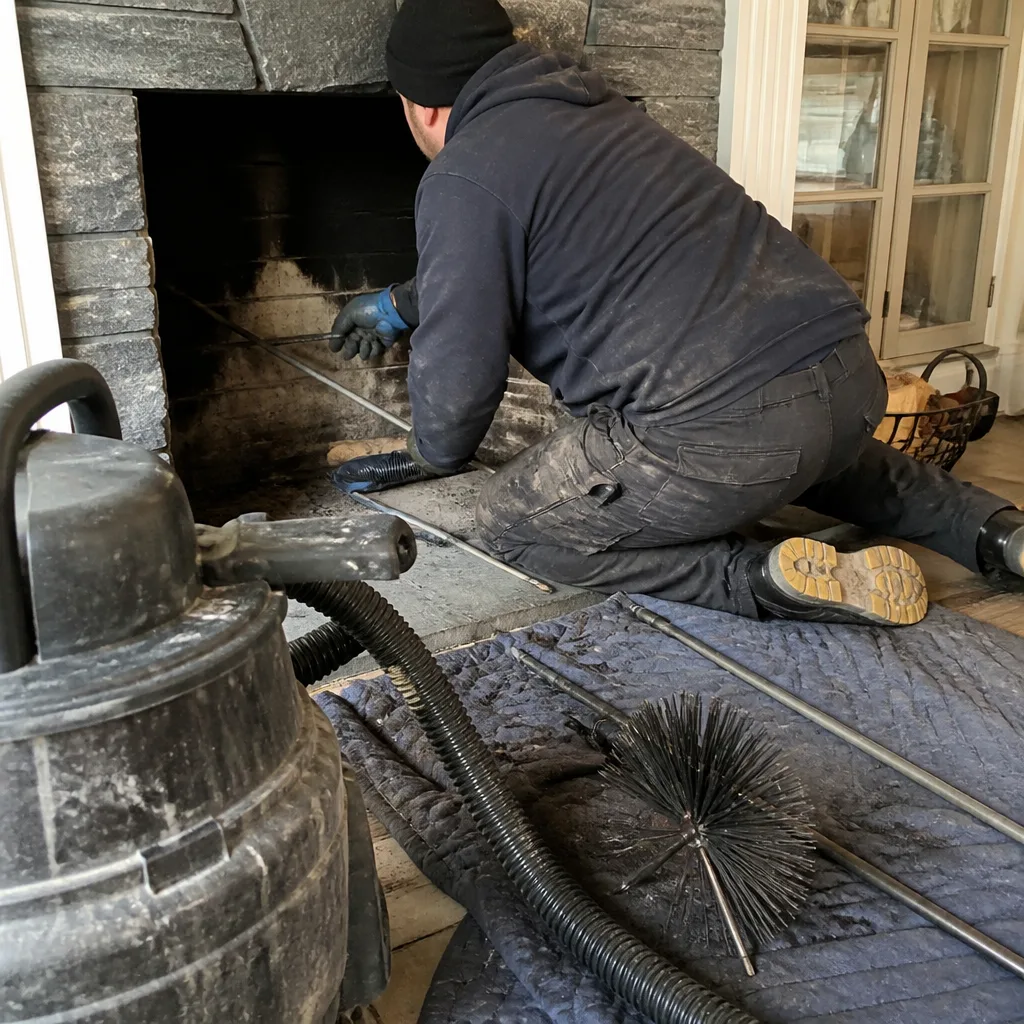 Before
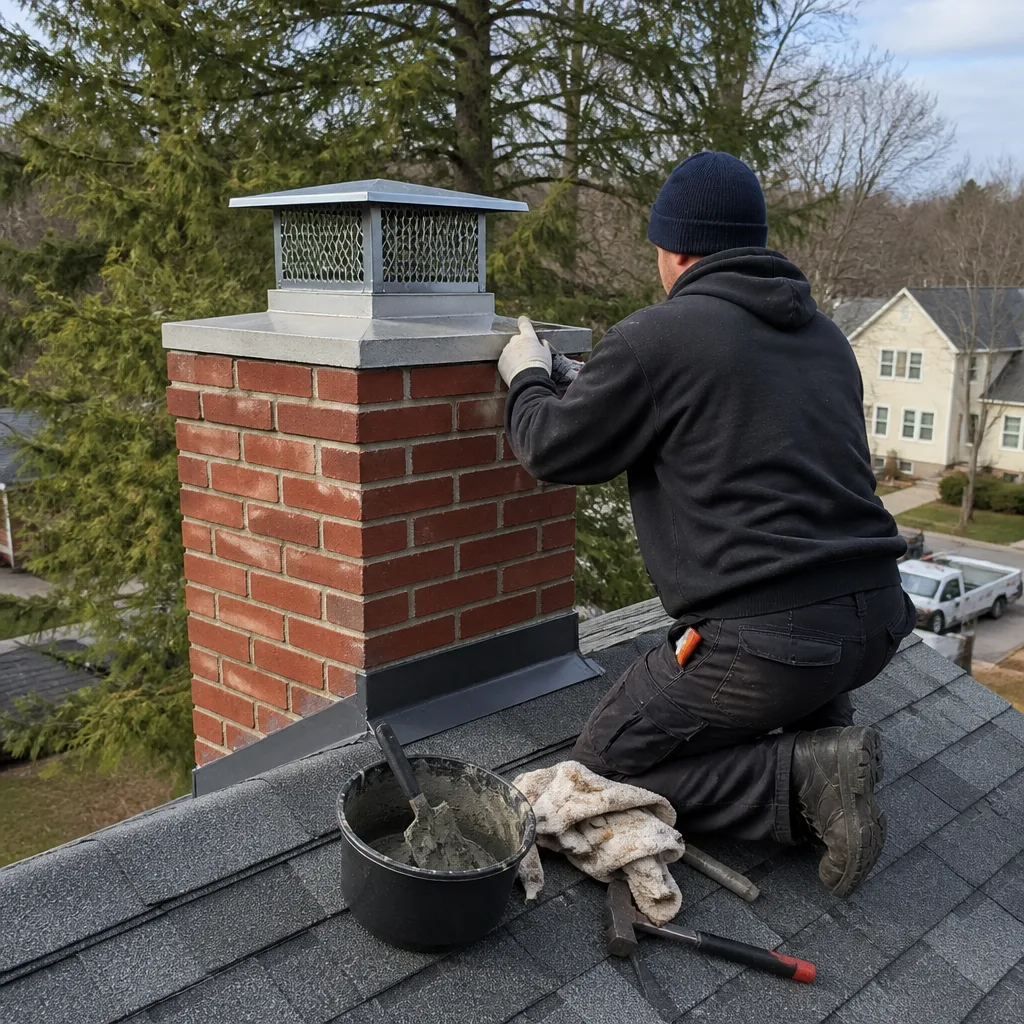 After
AfterFast, Reliable Dryer Vent Cleaning Across Reading
Dryer vent cleaning in Reading typically runs $149-$289 for a standard single-family home, and most appointments are completed within 90 minutes. We serve Reading from our Boston office, with crews running regular routes through the 01867 zip and surrounding Middlesex County towns. If your home is one of Reading’s thousands of 1930s-1970s colonials or capes, there’s a decent chance your dryer vent shares a masonry chimney with an abandoned oil flue or fireplace stack. That configuration is common here and nearly unheard of in newer suburbs. Call us at (351) 444-9705 for a written estimate before any work starts.
Why Emberly Chimney Cleaners Haverhill Is Reading’s Preferred Dryer Vent Cleaning Company
We’ve built our reputation in Reading on showing homeowners what we find before we quote a price. Our Dryer Vent Cleaning team has worked the older streets near Reading Town Center, the split-level neighborhoods off Main Street, and the colonial blocks around Birch Meadow Brook. Reading customers leave reviews that mention the same things: the tech named who was coming, the text when they were en route, and the photos they were handed at the end.
Response time to Reading is typically next-day or within 48 hours, depending on route consolidation through Wakefield and Wilmington. We don’t subcontract. The technician who arrives is background-checked, uniformed, and carries a license number you can verify. Every job is quoted in writing before work begins, backed by our 365-Day Done Right Promise, and documented with a photo record under Haven Standard Clause 4.
Reading’s housing stock is specific. The oil-to-gas conversions that swept Middlesex County in the 1990s and 2000s left thousands of chimneys with capped flues, repurposed vents, and clay-tile liners now 50-80 years old. We know what that looks like because we’ve camera-scanned it.
Our Dryer Vent Cleaning Services in Reading
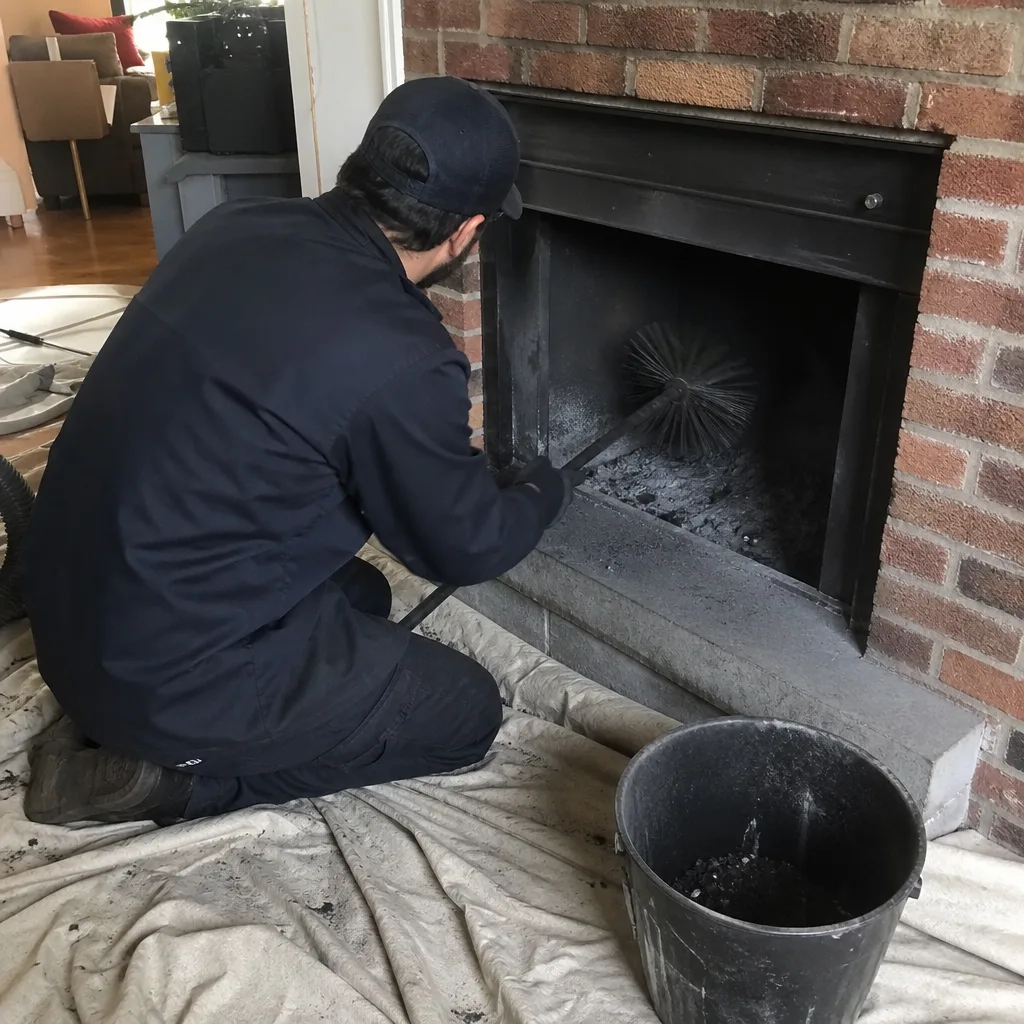
Dryer Vent Cleaning with Camera Verification
A standard dryer vent cleaning pulls lint from the transition duct, the run to exterior, and the termination cap. In Reading, we rarely stop there. Many homes on streets like Lowell Street or Woburn Street have dryer vents routed into masonry chimneys originally built for oil heat. We run a camera first. You see the lint accumulation, the moisture staining, or the cracked clay tile before we quote a dollar. Then we clean with rotary brushes and high-velocity vacuum, and we camera-verify the result. Clause 4 of the Haven Standard requires that photo record on every job, so you walk away with documentation, not a verbal assurance.

Level 2 Inspection with Video Scan
When a dryer vent terminates in or near a masonry chimney, NFPA 211 Level 2 is the appropriate standard. We camera-scan the full flue, the smoke chamber, and the accessible portions of the chimney interior. In Reading’s older homes, we regularly find that what a homeowner assumes is a “dryer vent problem” is actually lint packed into a dead flue beside an active fireplace stack. The camera eliminates the guesswork. We write the scope, the price, and the warranty before any tools touch your system.
Lint and Creosote Removal from Shared Chimney Chases
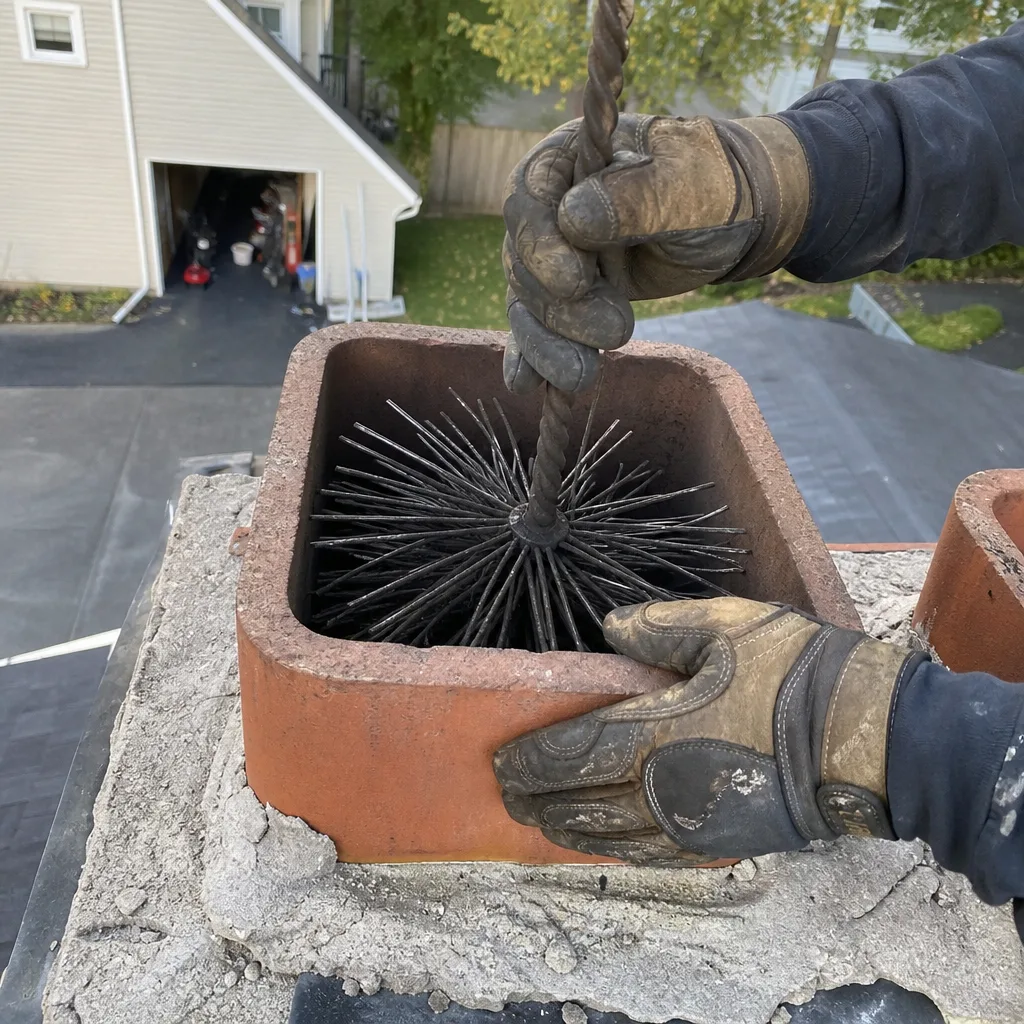
Reading’s multi-flue chimneys create a specific hazard: lint from the dryer and first-degree creosote from occasional wood fires can occupy adjacent flues in the same chase. The two materials have different combustion risks and different removal requirements. Our techs are trained to identify which flue contains which contaminant, clean each appropriately, and document the condition of the separating wythe (the brick partition between flues). This is not a standard dryer-vent-only service. It’s a chimney-specific competency that matters in Reading and few other towns.
Transition Duct Replacement and Airflow Testing
The flexible transition duct behind your dryer is where most residential fires start. In Reading’s tighter utility spaces, especially in cape-style homes with basement laundry, these ducts are often crushed, kinked, or constructed of unsafe materials. We replace with solid aluminum or code-compliant flexible ducting, then confirm airflow with a manometer reading. You’ll see the before-and-after pressure differential in writing.
What happens when you call
- 1
A real person answersNo phone trees - you reach a local pro.
- 2
You get an upfront price rangeHonest numbers before anyone is dispatched.
- 3
A background-checked tech heads outLicensed & insured, dispatched right away.
- 4
You approve before work beginsNothing starts until you say go.
BeforeAfterTrusted Brands We Service in Reading
We source materials through Haven’s buying network to keep customer prices honest. For dryer vent components and chimney repairs in Reading, we stock and install DuraFlex liner systems, HeatShield cerfractory resurfacing for damaged smoke chambers, and Gelco stainless caps with integrated spark arrestors. Olympia Chimney supplies our rigid venting and termination hardware. Parts are carried on our service vehicles, so most Reading jobs are completed in a single visit without waiting on a supplier run.
Common Dryer Vent Cleaning Problems We See in Reading Homes
- Dryer vent routed into a capped oil flue. On Reading’s older streets, we regularly find that the oil boiler was removed, the flue was capped at the top, and a later homeowner or contractor tapped the side for dryer exhaust. Lint collects in the dead flue against 60-year-old clay tile. Moisture condenses. Spalling accelerates. The homeowner smells something musty but can’t locate the source.
- Misidentified flues in double-flue chimneys. A tech cleans the fireplace flue because it’s accessible, while the actual dryer-vent path, two feet away in the same chase, remains packed with lint. We camera-verify the correct flue before cleaning. This mistake is easy to make and expensive to repeat.
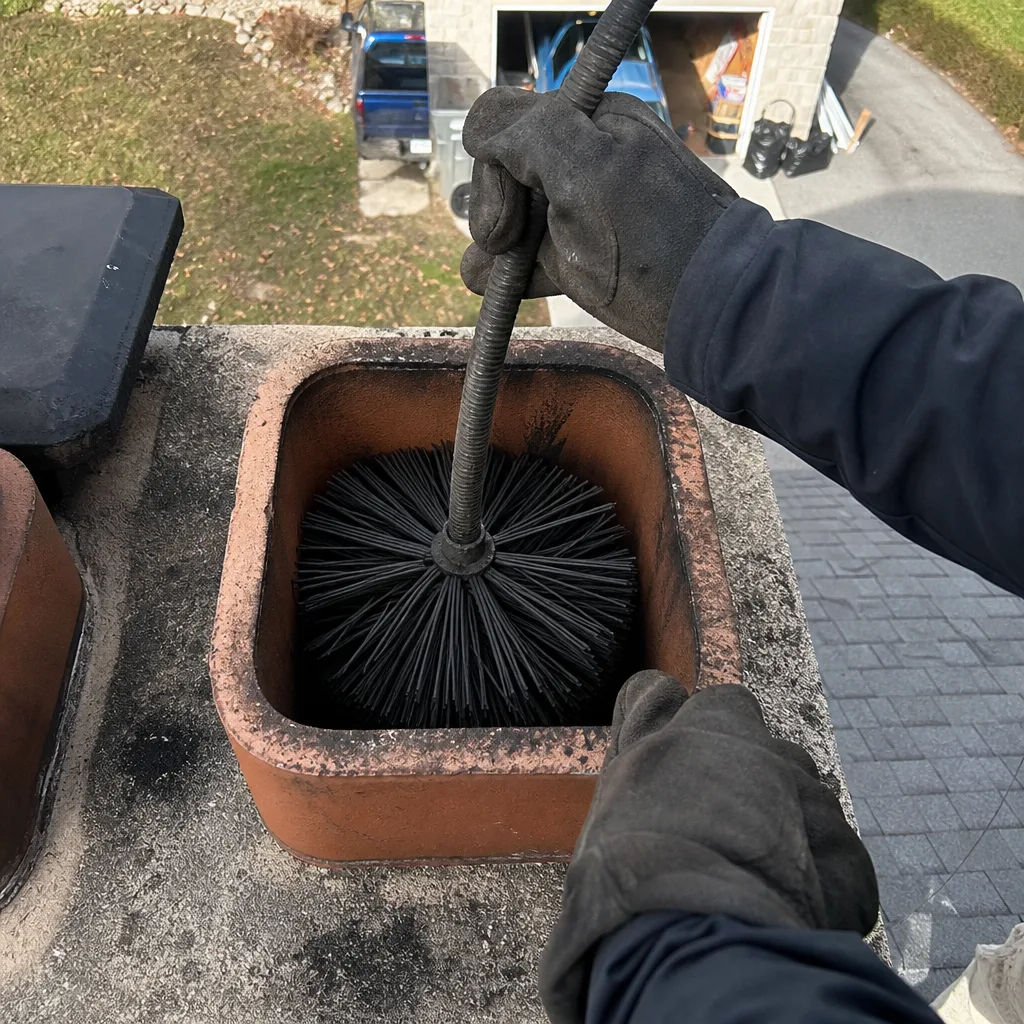
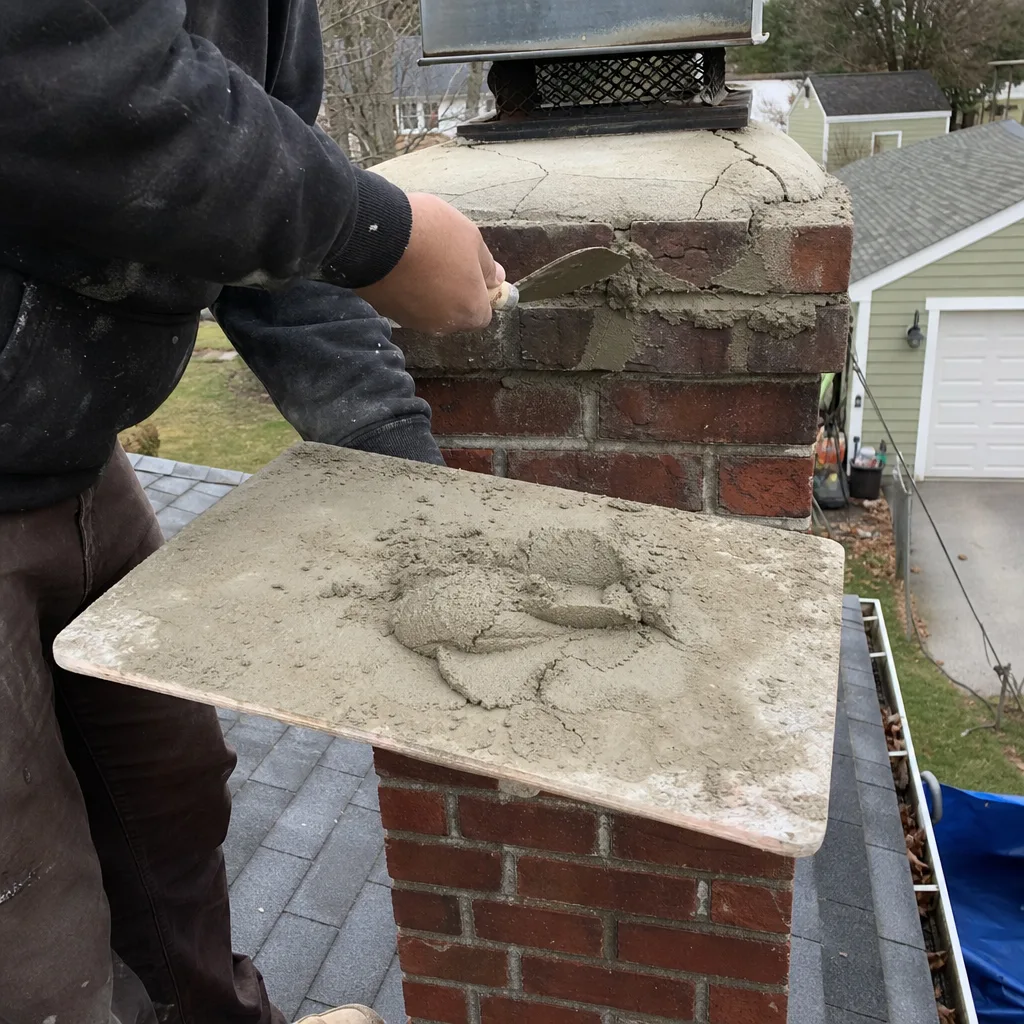
- Crown and cap failure letting water into shared chases. Reading’s 55 inches of annual snow and repeated freeze-thaw cycles from November through March degrade mortar caps and concrete crowns. Water enters, freezes, expands, and cracks the clay tile liner protecting your dryer vent path. By early spring, we’re fielding calls from Reading homeowners who didn’t know their vent was compromised until the thaw revealed it.
- Lint accumulation in long horizontal runs through unconditioned spaces. Reading’s split-levels and raised ranches often route dryer vents through crawl spaces or garage ceilings where condensation soaks lint into a paste that standard brushes can’t remove. We use specialized augers and reverse-blowing techniques, then camera-verify the bore is clear.
Pricing for Dryer Vent Cleaning in Reading, MA
A typical dryer vent cleaning in Reading runs $149-$289 for a standard single-family home with accessible exterior termination and a run under 25 feet. Shared chimney chases requiring Level 2 camera inspection add $95-$175. Transition duct replacement with solid aluminum is $65-$120. If we find a capped oil flue that needs re-termination or a clay-tile liner requiring repair, we quote that separately in writing, with photos, before any additional work proceeds.
Factors that move the price: length and accessibility of the vent run, whether it terminates through a masonry structure, the condition of the transition duct, and whether a Level 2 scan is indicated. We do not quote by phone for complex configurations. We inspect, we photograph, we write the price. Estimates are free. Call (351) 444-9705.
We Also Serve Cities Near Reading
Our crews run regular routes through Reading and neighboring communities. We also provide dryer vent cleaning in Wakefield, Wilmington, Lynnfield, and Woburn. Scheduling is coordinated from our Boston office, with local dispatch to minimize transit time and keep appointment windows reliable.
Serving Reading, MA - Our Local Coverage Area
We’re based in the Reading area and know this community well. Use the map below to see our service coverage - if you’re nearby, we can almost certainly help.
FAQs - Dryer Vent Cleaning in Reading
You can’t tell from the basement. The only reliable method is a camera scan down each flue path. On a 1948 colonial near Reading Town Center, our tech found a double-flue chimney where the oil boiler flue had been capped and later tapped for a dryer vent, leaving lint to collect in a dead clay-tile liner beside an active wood flue. After a Level 2 inspection with a camera, we ran a rotary brush and vacuum through the dryer run, replaced the transition duct, and confirmed airflow with a manometer; the homeowner could see the packed lint on screen before we touched anything. Call (351) 444-9705 to schedule a camera inspection - estimates are free.
Yes, for homes with masonry chimney terminations. Reading averages around 55 inches of snow annually with significant freeze-thaw cycling from November through March. Water enters cracked crowns or failed caps, freezes, and expands inside the chase. If your dryer vent shares that masonry structure, the liner protecting your vent path degrades season over season. A blocked or compromised vent in winter also forces your dryer to work harder in already-cold conditions, increasing fire risk and energy cost. We recommend inspection before the heating season begins. Call (351) 444-9705 for a written estimate.
First-degree creosote is sooty, carbon-based residue from wood combustion that adheres to flue liners and can ignite at temperatures above 451°F. Lint is fibrous debris from clothing that accumulates in dryer vents and ignites at roughly 135°F. In Reading’s shared chimney chases, we find both materials in adjacent flues. They require different removal tools and present different fire risks. We identify which is present, document it with the camera, and clean accordingly. If you’re unsure what’s in your chimney, call (351) 444-9705 for a Level 2 inspection.
It happens, but it should never happen without camera evidence you can see. Reading’s 50-80 year old clay-tile liners do spall, crack, and separate at joints, especially after decades of oil-to-gas conversion moisture and freeze-thaw stress. However, “needs a new liner” is also one of the most common upsells in this industry. Our policy under Haven Standard Clause 1 is a written price before work starts, based on documented findings. If we recommend liner repair or replacement, you’ll see the crack, the gap, or the spalled tile on screen first. Bring us any competitor’s written estimate for a Free Second Opinion. Call (351) 444-9705.
Annually, if the vent terminates through a masonry structure. The NFPA recommends annual inspection of all dryer vents; for Reading’s oil-conversion housing stock with shared chimney chases, that minimum is a floor, not a ceiling. Lint accumulation accelerates in longer runs, in vents with multiple elbows, and in any path that shares space with a deteriorating clay-tile liner. Homes with heavy laundry use or longer vent runs may need cleaning every six months. We document each visit with photos so you can track condition year over year. Call (351) 444-9705 to schedule.
Written by Corrine Halstead, Owner at Emberly Chimney Cleaners Haverhill, serving Reading and Middlesex County communities.