
Last updated September 22, 2026
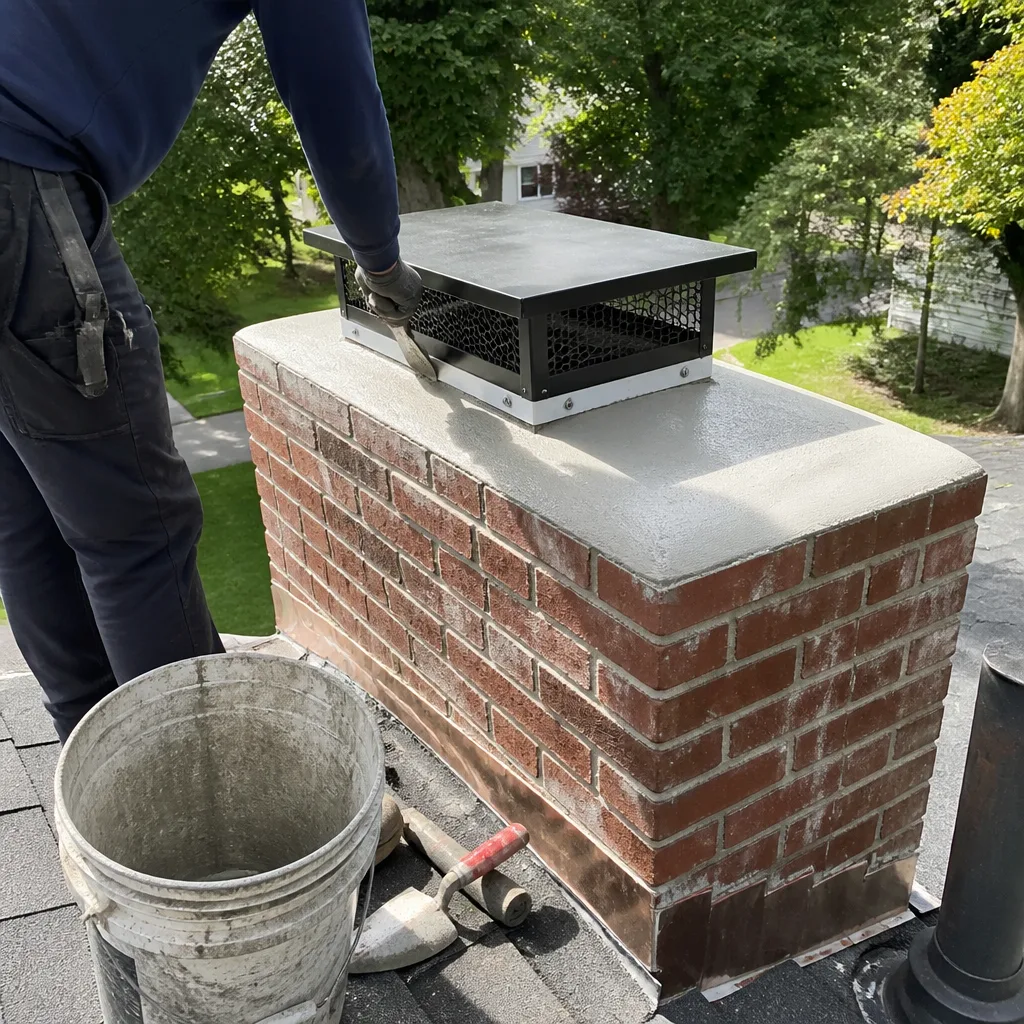
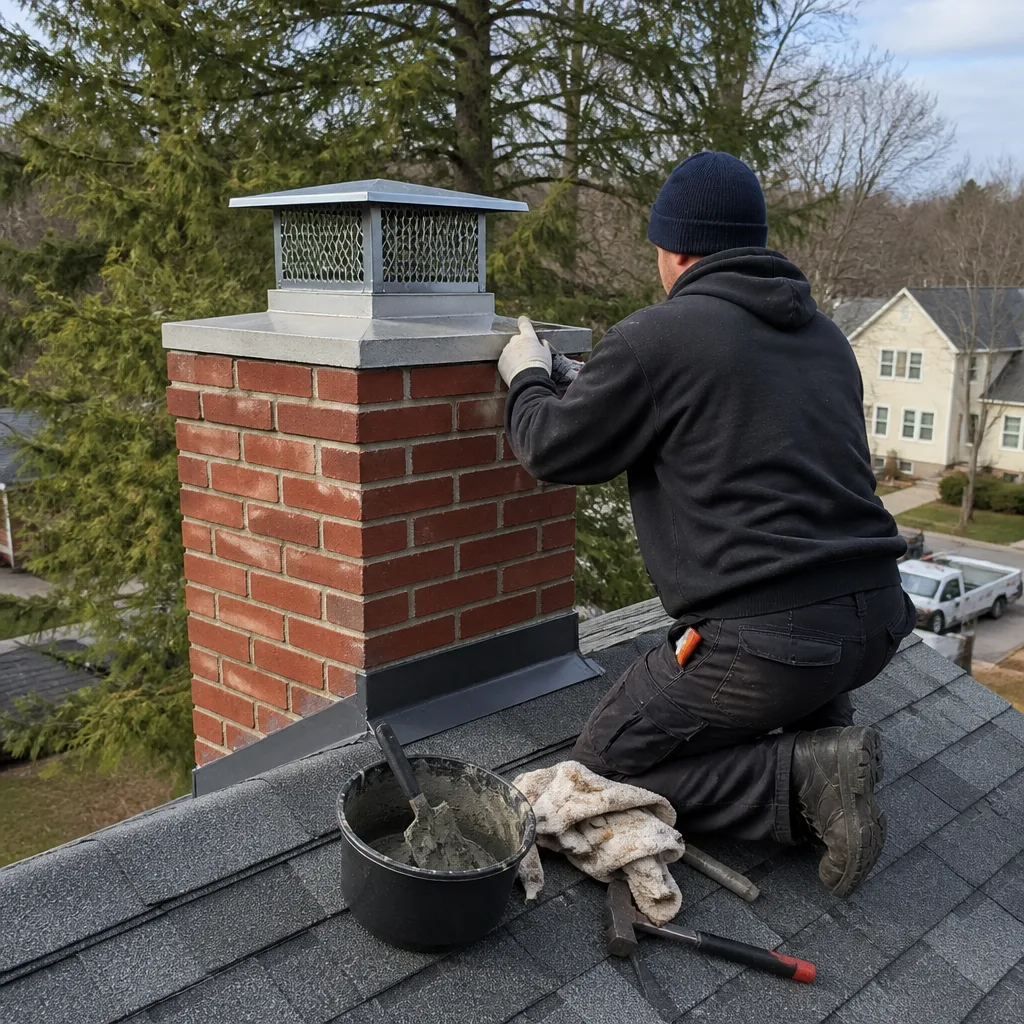
Level 1 sweep and inspection to the NFPA 211 annual standard - flue, crown, cap, and flashing checked and photographed
Chimney sweep logs do not sweep chimneys. They loosen some creosote - which then falls where a brush and vacuum still have to collect it.
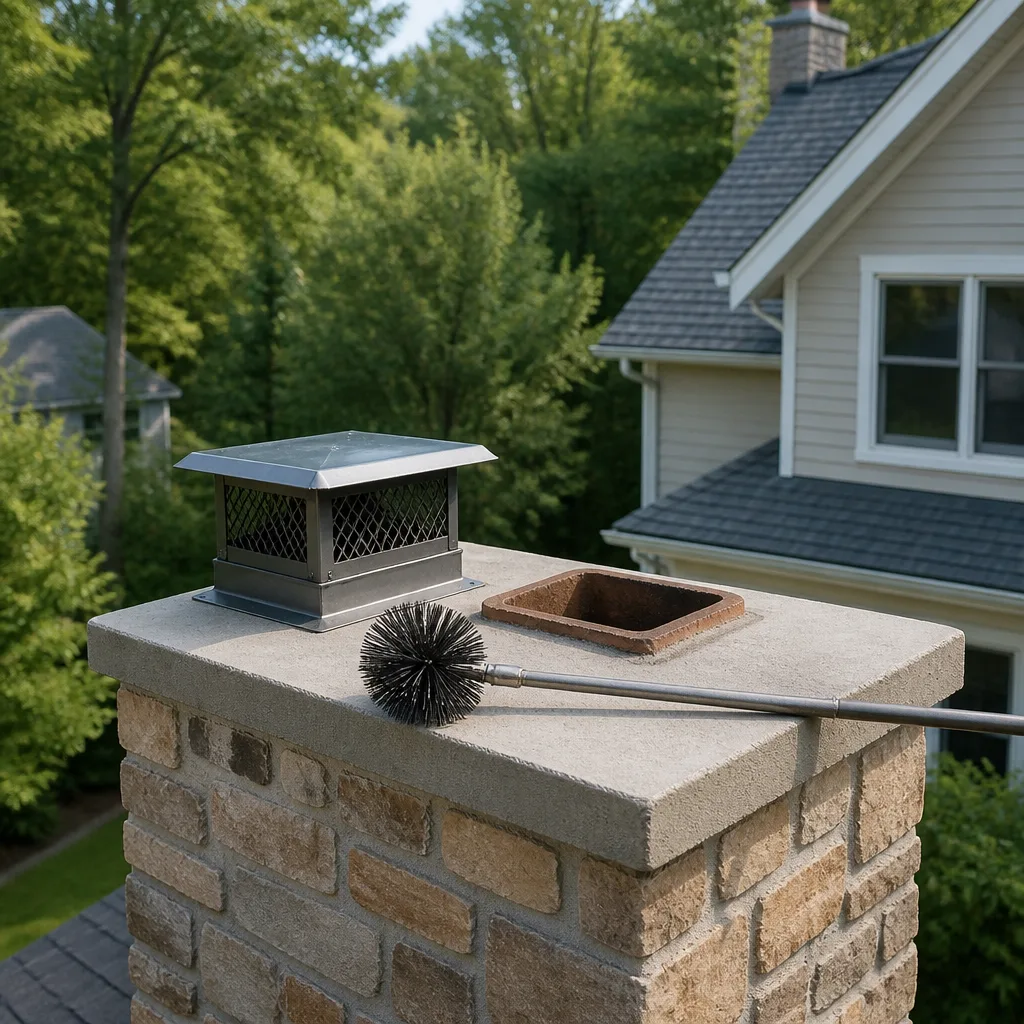
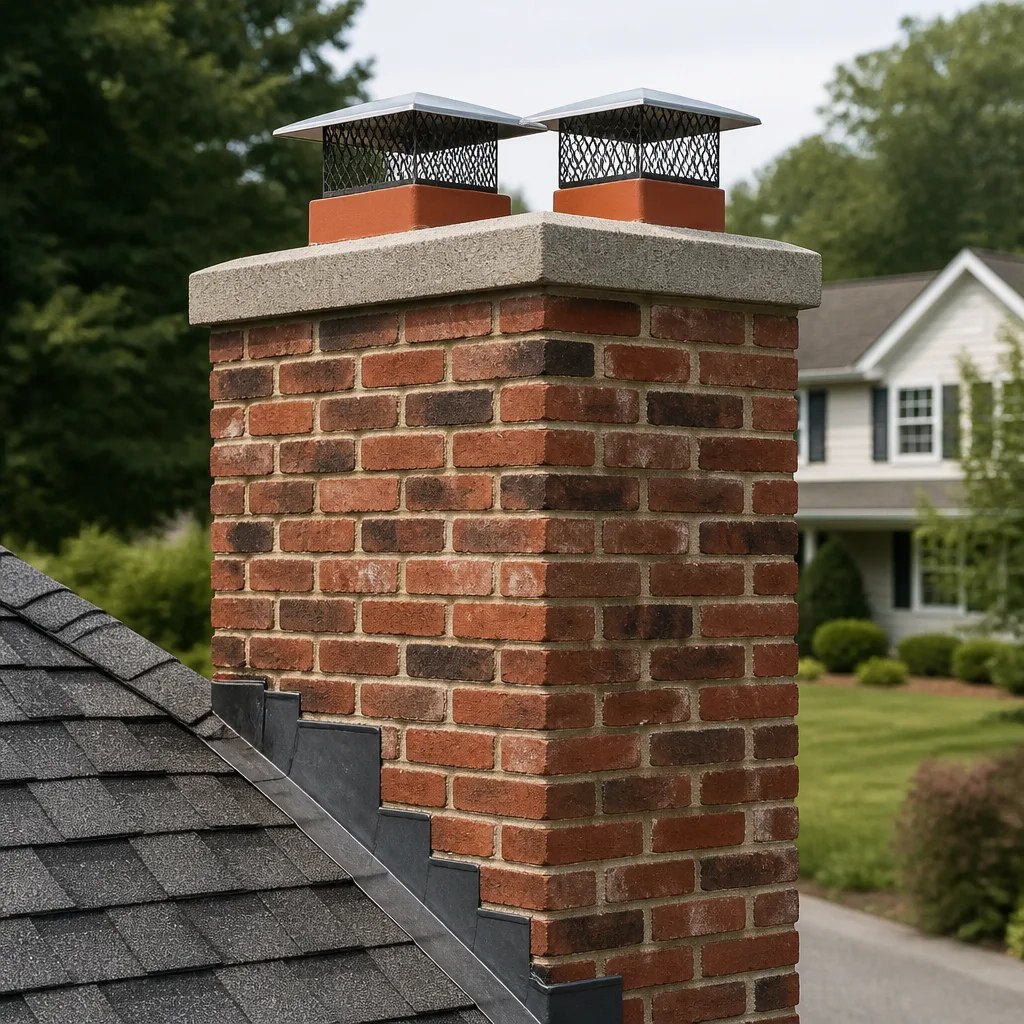
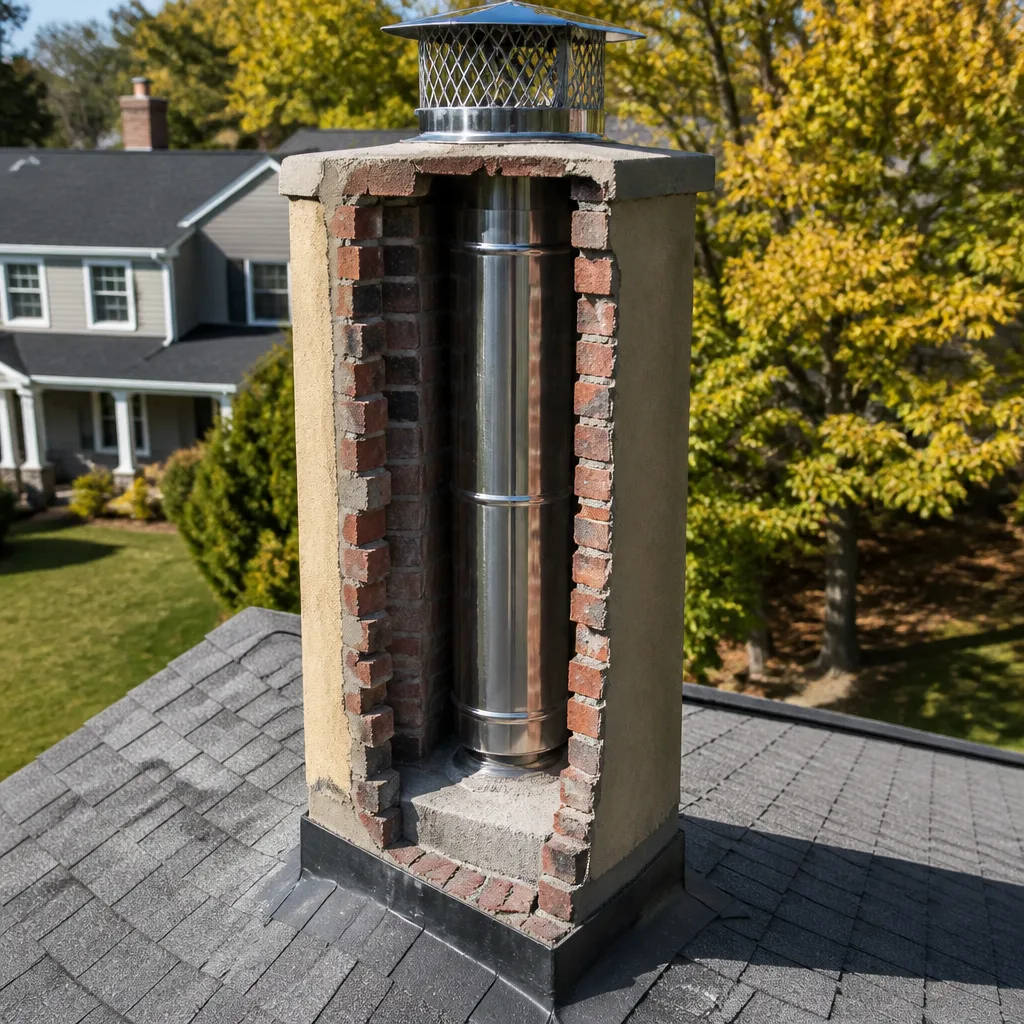
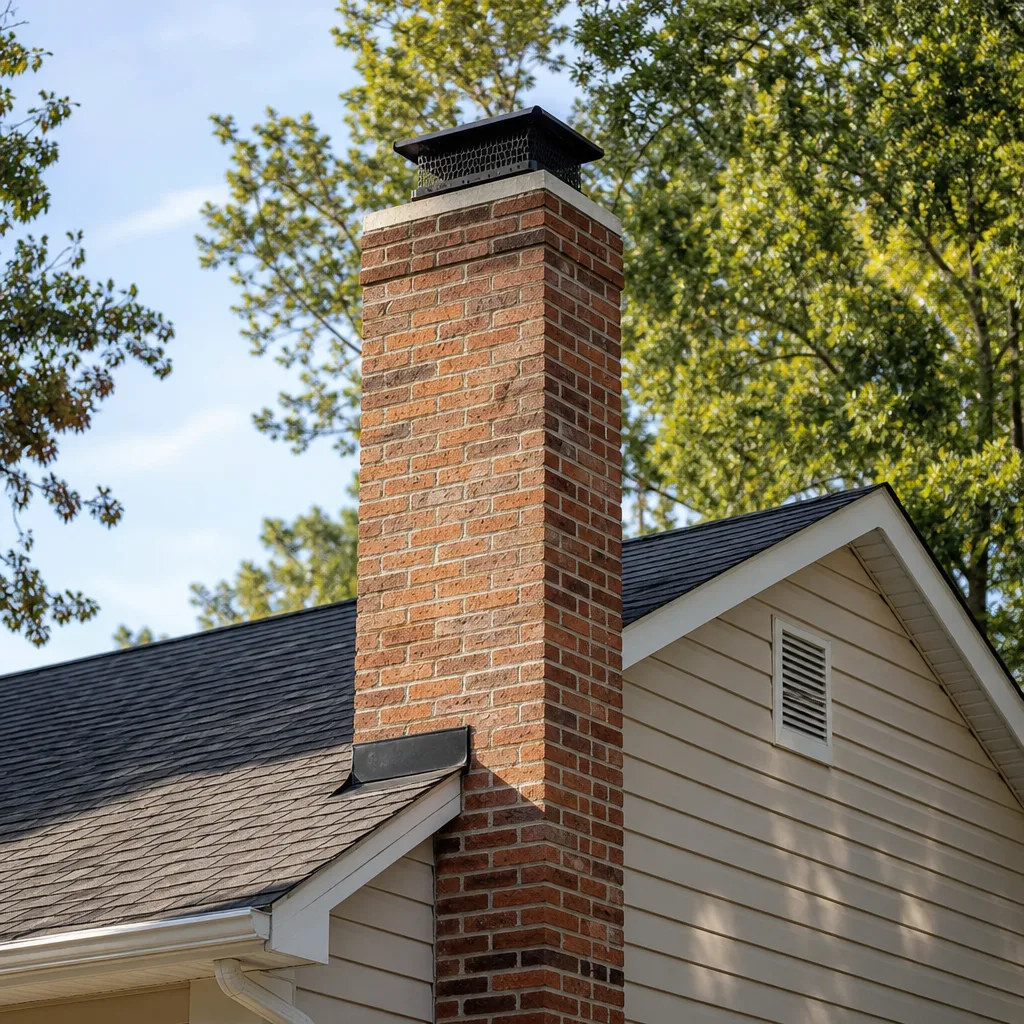
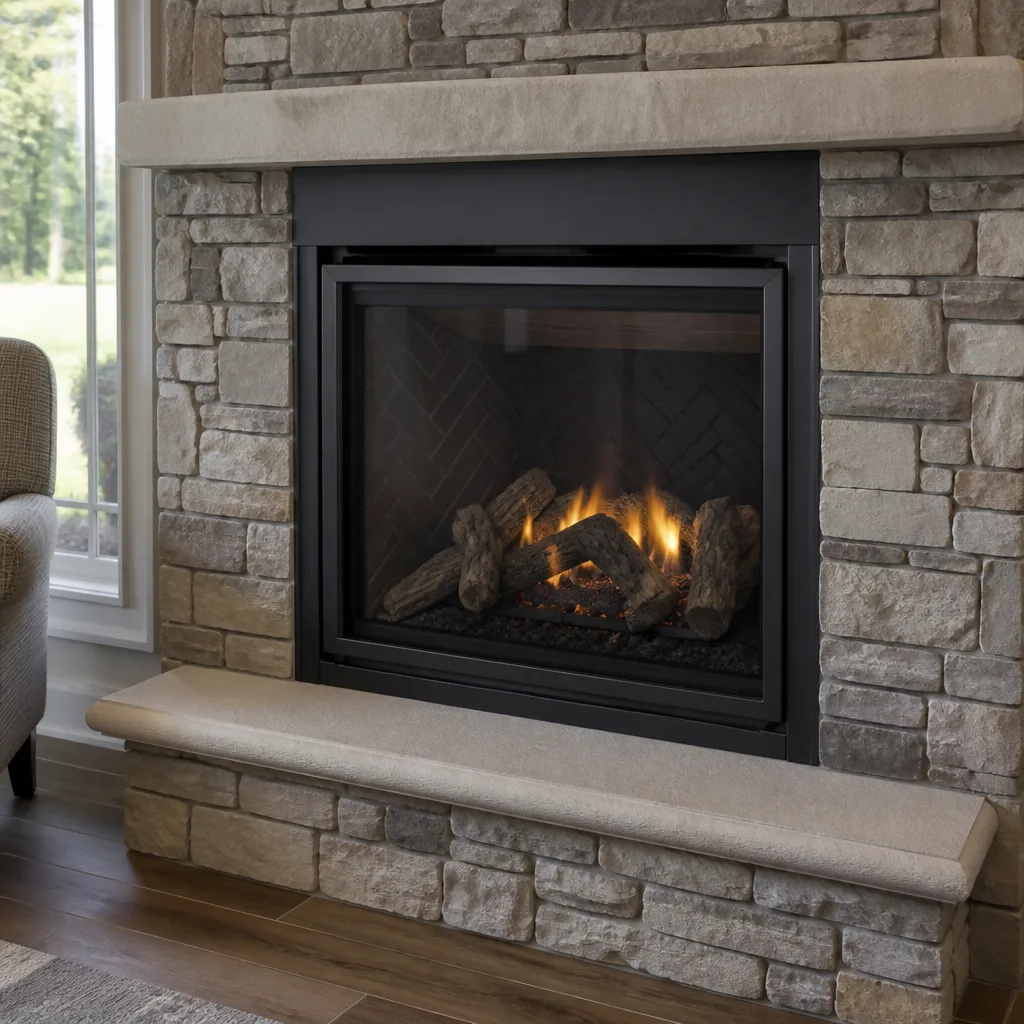
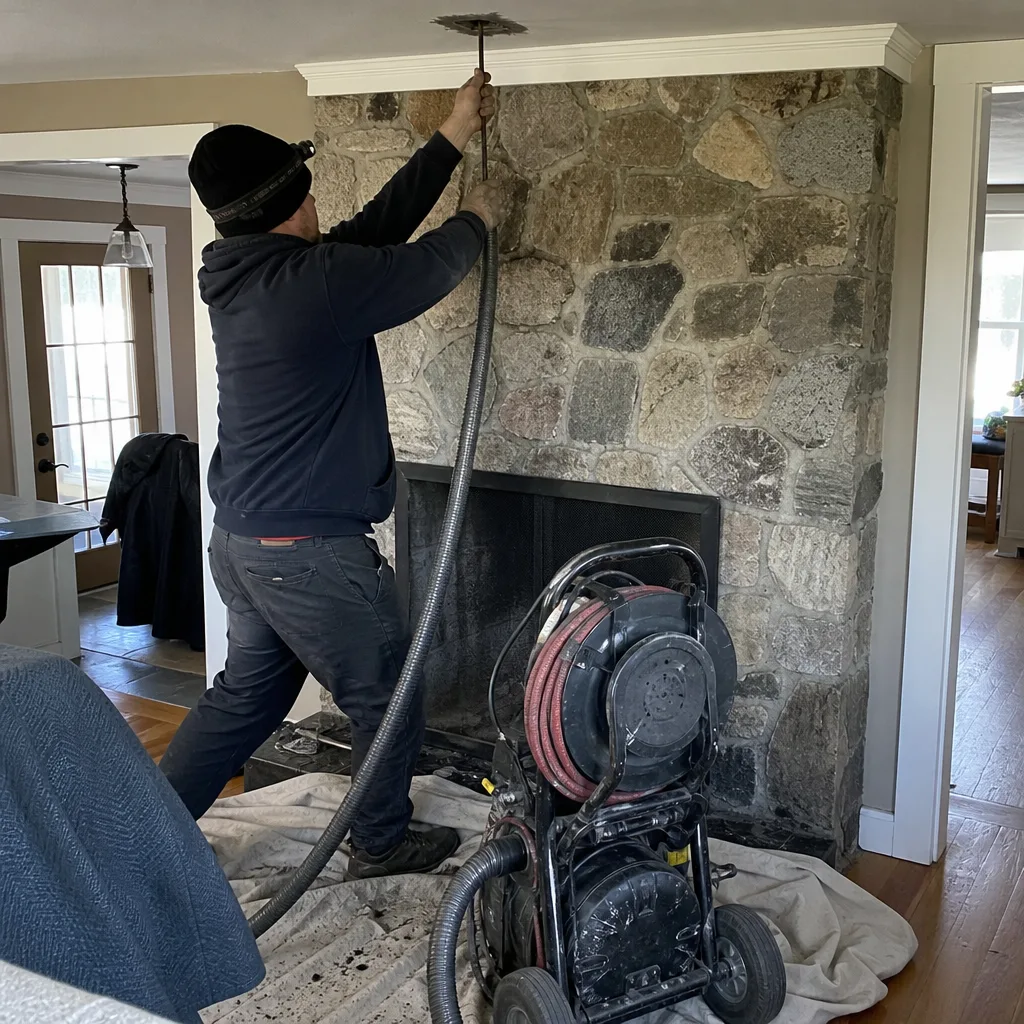 Before
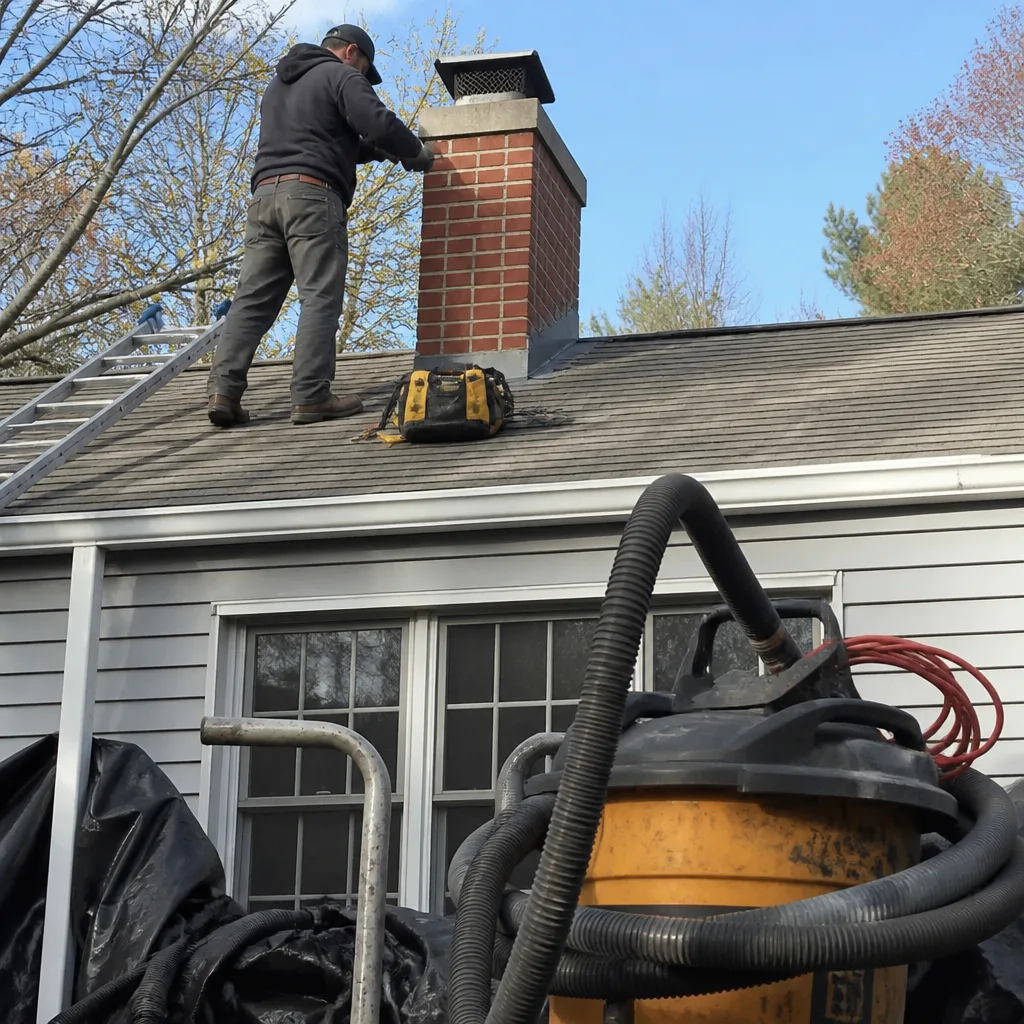 After
After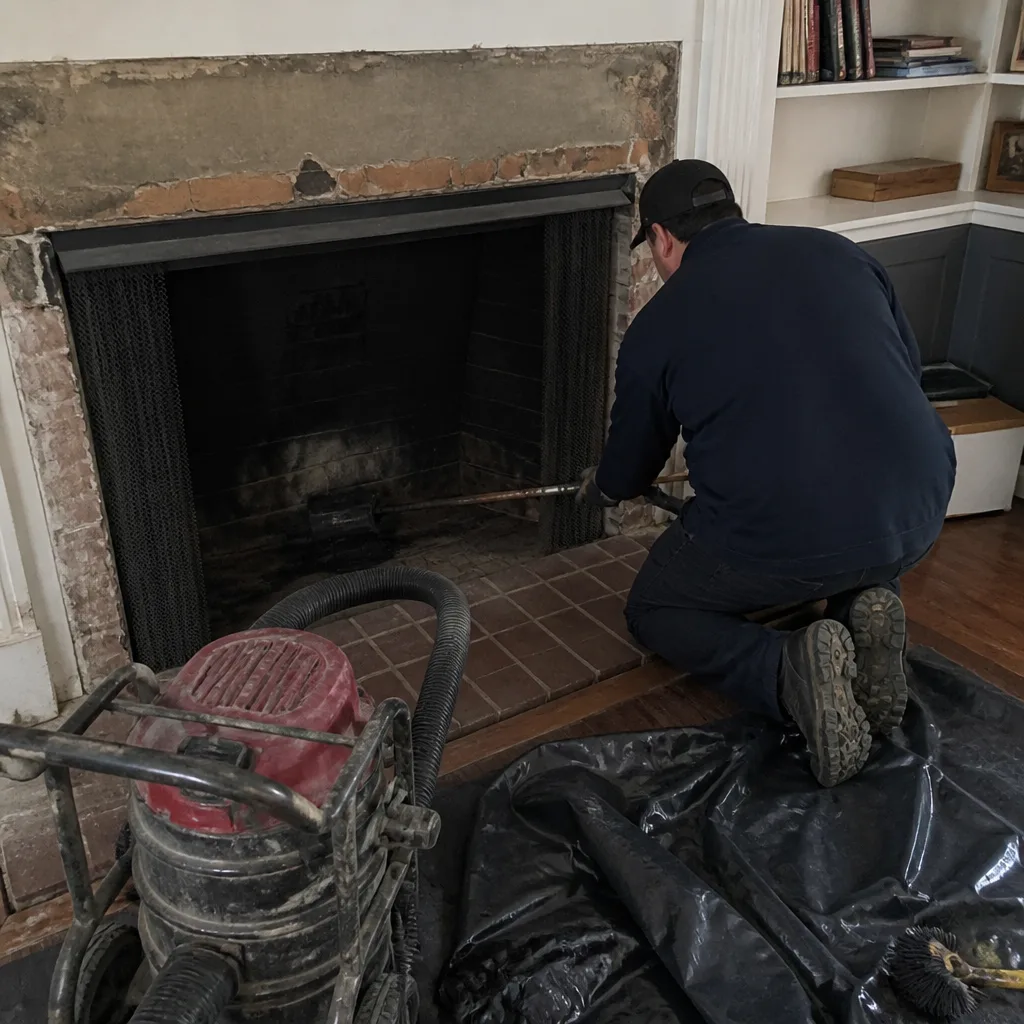 Before
 After
After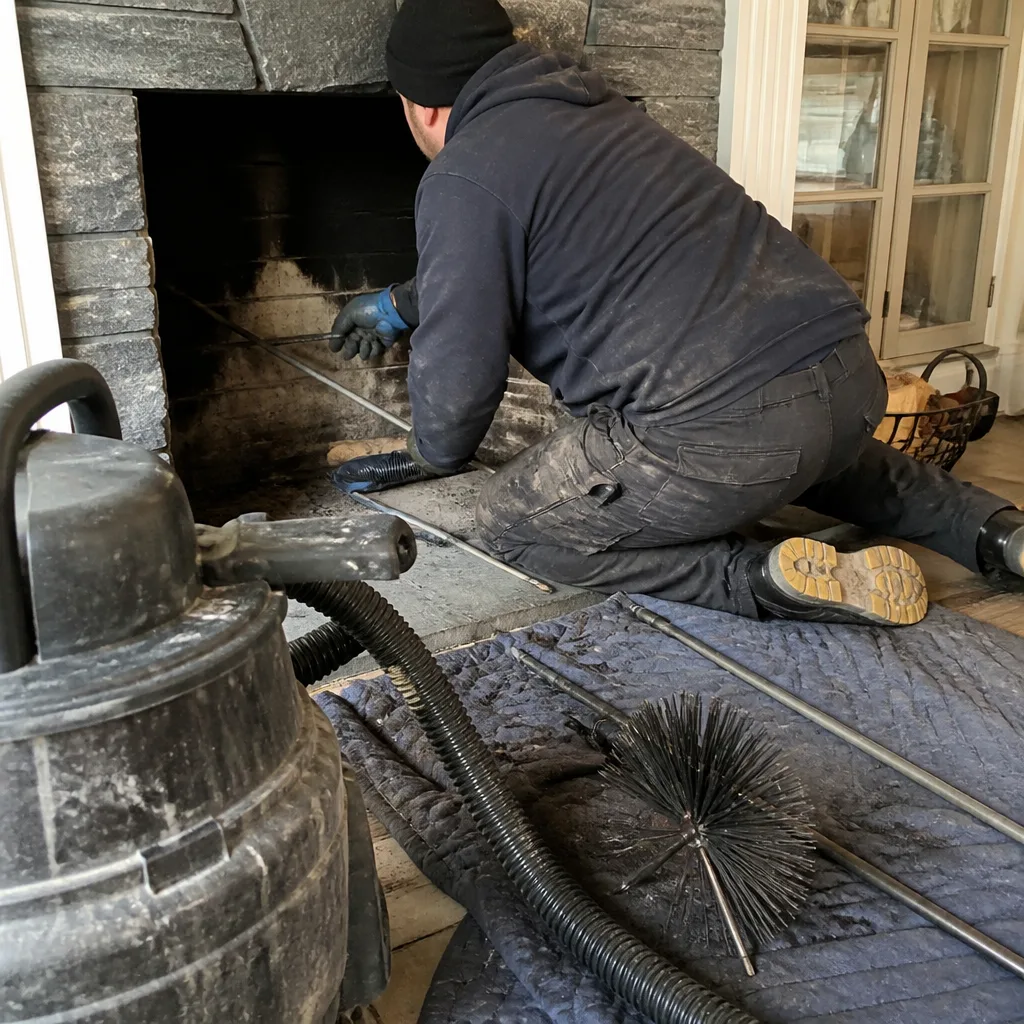 Before
 After
AfterChimney Cleaning Cost Breakdown: The Haverhill Homeowner’s Reference for 2026
A $99 chimney cleaning special and a $350 cleaning can both be fair prices - for completely different services that produce completely different outcomes. Most online “average cost” figures flatten this range into a single meaningless number, leaving Haverhill homeowners unable to tell whether they’re getting documentation or a flashlight glance, a written price or a verbal guess, a safe system or a deferred problem. In this guide, we’ll itemize every cost driver that shapes a real chimney cleaning quote in Haverhill: flue height, creosote stage, inspection level, fuel type, and the access challenges specific to our city’s older rooflines and dense neighborhoods. For Chimney Cleaning Warning Signs: A Haverhill Homeowner’s Reference Guide, see our companion post.
Quick Answer
In Haverhill, chimney cleaning costs range from $150 to $450 for a standard sweep with NFPA 211 Level 2 camera inspection included. A brush-only cleaning without documentation runs $99-$180, while heavy Stage 2 creosote requiring rotary cleaning adds $75-$150. The difference between a low quote and a higher one usually comes down to whether a camera goes down the flue and whether you receive a written price, photo record, and warranty before work starts.
Table of Contents
- What Drives Chimney Cleaning Costs in Haverhill
- Inspection Levels and What They Cost: Brush-Only vs. Visual vs. Camera Scan
- Creosote Stages and How They Change Pricing
- Written Price vs. Estimate: The Contractual Difference
- Common Findings and What They Cost: Caps, Crowns, Liners, and Relining
- Fuel Type and Flue Count: Hidden Cost Drivers
- Haverhill-Specific Access Challenges
- How to Evaluate Any Quote You Receive
 Before
 After
AfterWhat Drives Chimney Cleaning Costs in Haverhill
Every chimney cleaning quote in Haverhill is built from five variables that most companies never explain on the phone. Understanding them lets you decode any estimate and spot what’s missing. Our Chimney Cleaning & Sweep Maintenance Checklist for Haverhill Homeowners covers what to verify before you book.
Flue height and construction. A single-story ranch on Monument Street with a 15-foot flue takes less time than a three-story Victorian on Kenoza Avenue with a 35-foot flue and multiple offsets. Taller flues require more rods, more time, and more material handling. In Haverhill’s Bradford and Mount Washington neighborhoods, we regularly encounter 30+ foot flues in homes built between 1880 and 1920 that add 20-30 minutes to the sweep.
Number of flues. Many Haverhill homes have two or three flues: one for the fireplace, one for the furnace or boiler, sometimes a third for a former coal conversion. Each flue is a separate cleaning with separate debris removal. A second flue typically adds 60-75% of the first flue’s cost, not double, because setup and travel are already absorbed.
Fuel type. Wood-burning systems produce flammable creosote that demands mechanical removal. Oil and gas systems produce soot and corrosive residue that require different tools and disposal protocols. Oil flues in Haverhill’s older homes often show glazed creosote from past wood-burning use or sulfuric acid residue from modern low-temperature oil burners.
Creosote stage. Stage 1 (powdery soot) sweeps quickly. Stage 2 (shiny, hardened flakes) needs rotary cleaning with chains or whips. Stage 3 (tar-like glaze) often requires chemical treatment and may indicate the fireplace is unsafe to use until relined. We’ll break this out in detail below.
Access difficulty. Steep pitches, slate roofs, ice dams, and narrow lot lines between Haverhill’s closely set triple-deckers all affect setup time and safety equipment needs. A roof-access cleaning in January on a Bradford Victorian with a 12/12 pitch costs more than a ground-access sweep on a summer ranch in Riverside.
Inspection Levels and What They Cost: Brush-Only vs. Visual vs. Camera Scan
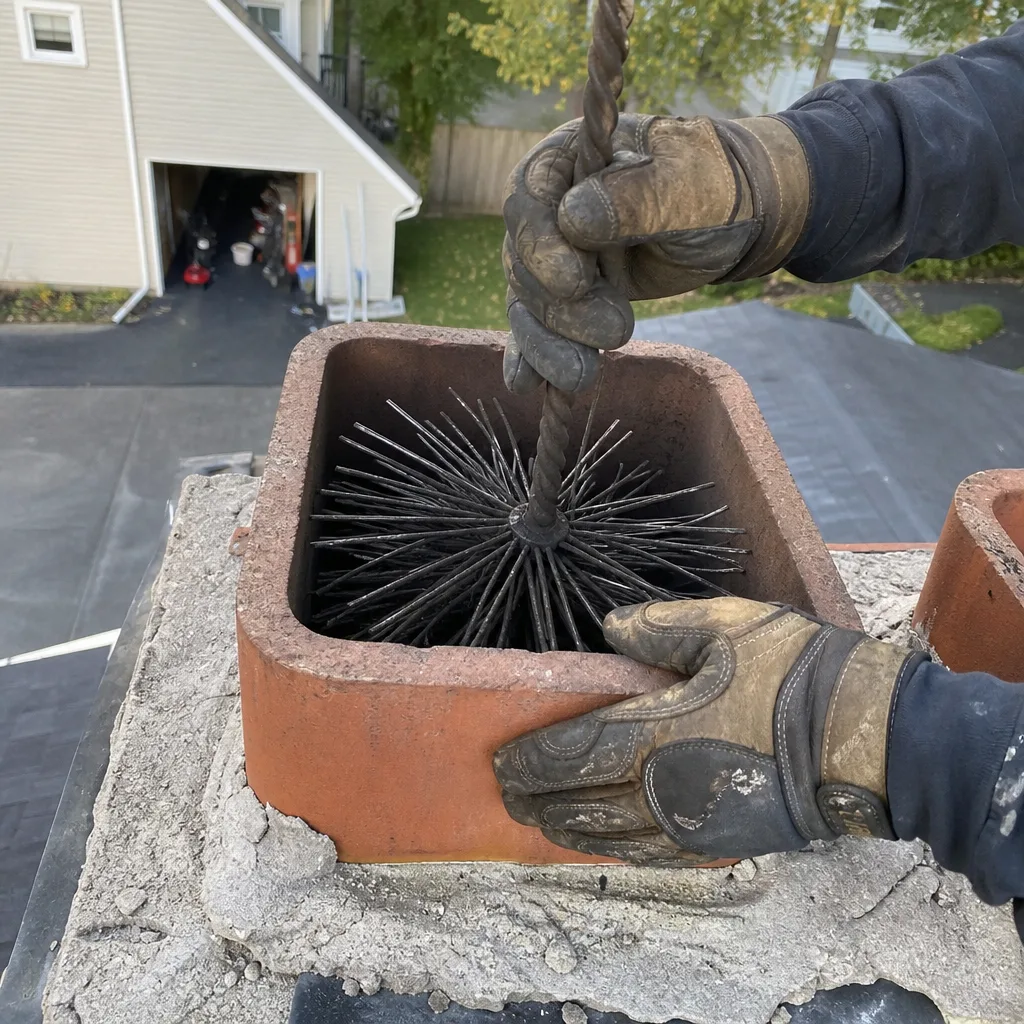
This is where the $99 special and the $350 service diverge. The National Fire Protection Association defines three inspection levels in NFPA 211. Most homeowners don’t know which they’re buying. For the regulatory backdrop, read Chimney Cleaning Permits, Codes & Inspections in MA: What You Need to Know.
Level 1: Brush-Only or Brush + Flashlight
A Level 1 inspection is a visual examination of readily accessible portions of the chimney exterior, interior, and appliance connection. No tools are used to open panels or access hidden areas. A technician sweeps the flue, shines a flashlight up from the bottom or down from the top, and writes a basic report.
Typical cost in Haverhill: $99-$180
What you actually get: Soot and loose creosote removal. A visual check of the firebox and damper. No documentation of flue liner condition, no photo record, no view of the smoke chamber or upper flue where most deterioration occurs.
The risk: Spalling tile, cracked liners, and internal joint gaps above the damper go undetected. We’ve found complete liner collapses in Haverhill homes that had “annual cleanings” for years with no camera ever deployed.
Level 2: Camera Scan Documentation
Level 2 requires a visual inspection by video scanning or other means to examine internal surfaces and joints. It’s mandatory upon sale or transfer of property, after chimney fire or lightning strike, or when any changes are made to the system. At Level Two Chimney Haverhill home, we made this our default in 2009 - years before insurers or regulators required it - and that practice became Clause 4 of the Haven Standard.
Typical cost in Haverhill: $250-$450
What you actually get: Complete sweep plus camera inspection from firebox to cap. Documented photo record of liner condition, joint alignment, creosote distribution, and any defects. Written findings with specific locations (e.g., “vertical crack at 12 feet, east side”). This record becomes your baseline for future comparison and your evidence for insurance or real estate transactions.
Level 3: Demolition Inspection
Level 3 involves removing components (walls, chimney covers, interior finishes) to access concealed areas. It’s only undertaken when serious hazards are suspected.
Typical cost in Haverhill: $500-$2,000+, depending on restoration needs
Level 3 is rare. The key decision for most Haverhill homeowners is between Level 1 and Level 2. The $100-$200 premium for Level 2 buys documentation that protects your property value, verifies safety, and prevents the “we found a problem” conversation that happens after a technician is already in your home.
| Service Level | What’s Included | Typical Haverhill Cost | Documentation |
|---|---|---|---|
| Brush-only sweep | Mechanical cleaning, flashlight look | $99-$180 | None or verbal only |
| Brush + visual inspection | Cleaning, mirror and light exam of accessible areas | $180-$260 | Basic written checklist |
| Brush + camera scan (Level 2) | Cleaning, full video inspection, photo record | $250-$450 | Written report with photos, documented video archive |
Creosote Stages and How They Change Pricing
Creosote buildup isn’t uniform. The NFPA and CSIA recognize three stages, and each changes what your sweep costs and whether your fireplace can safely operate.
Stage 1: Soot and Fine Ash
Light, powdery deposit that brushes away with standard poly or wire brushes. Common in gas fireplaces and well-seasoned wood installations with proper burning practices.
Impact on cost: None. This is the baseline condition assumed in standard sweep pricing.
Stage 2: Hardened Flakes and Chips
Shiny, brittle deposits that adhere to flue walls. Requires rotary cleaning with chains, whips, or drills to fracture and remove. Often results from burning unseasoned wood, restricted air supply, or cooler-than-optimal flue temperatures.
Impact on cost: Adds $75-$150 to standard sweep price. Adds 30-60 minutes to job time. In Haverhill, we see this frequently in homes that burn pallet wood or construction scraps - common in the DIY-heavy neighborhoods around GAR Park and the Avenues.
Stage 3: Glazed or Tar-Like Coating
Thick, hardened, often dripping deposit that’s highly concentrated fuel for chimney fires. Cannot be fully removed by mechanical cleaning alone. Usually indicates a fundamental system problem: oversized flue, uninsulated exterior chimney, or consistently low fire temperatures.
Impact on cost and safety: Chemical treatment (spray or poultice application, followed by curing and re-sweep) runs $300-$600. Often the underlying cause means the fireplace is out of service until relined. We’ve advised Haverhill homeowners in the Bradford Historic District that their 1890s unlined brick chimney with Stage 3 glaze cannot be made safe without a stainless steel liner from Chimney Repair in Haverhill - a separate project with its own cost structure.
Key point: Stage 3 creosote is not a cleaning problem. It’s a system design problem. Any company that quotes a standard sweep for Stage 3 without explaining this is either uninformed or unwilling to tell you the truth before booking.
Written Price vs. Estimate: The Contractual Difference
This distinction matters more than most homeowners realize. An estimate is a guess. A written price is a commitment. The difference affects your budget, your legal standing, and your trust in the company standing in your living room.
Estimate: “We think it’ll be around $250, but it could be more depending on what we find.” No binding ceiling. Common add-ons: “Oh, your flue was worse than expected” ($75), “We had to use the rotary system” ($100), “You need a cap” ($200). The homeowner has no leverage because the work is already in progress.
Written price (Haven Standard Clause 1): A fixed dollar amount, specific scope of work, and defined warranty delivered before any work begins. If conditions differ from what was described during booking, the technician stops, explains the finding, and presents a revised written price for your approval. No surprises, no pressure, no work performed without explicit agreement.
At Level Two Chimney Haverhill, we’ve operated this way since 2009. It’s not a marketing angle. It’s how we avoid the disputes and distrust that plague this industry. Browse our more guides & resources for additional homeowner tools. A written price before work starts means you can compare apples to apples, budget accurately, and hold us to our commitment. The 365-Day Done Right Promise - stamped on every job - means if it’s not done right, we make it right.
What to look for on any written quote:
- Line-item description of cleaning method (brush type, vacuum system, debris containment)
- Inspection level specified (Level 1, 2, or 3)
- Documentation delivered (photo count, video archive access, written report format)
- Warranty terms and duration
- Technician identification (name, license number, background check confirmation)
- Total price with no open-ended contingencies
If any of these six elements is missing, you’re receiving an estimate dressed as a quote. In Haverhill’s competitive sweep market, we’ve reviewed competitor “quotes” that were literally blank lines with a total at the bottom. Clause 1 of the Haven Standard exists because we saw too many homeowners burned by that practice.
Common Findings and What They Cost: Caps, Crowns, Liners, and Relining
A chimney cleaning often reveals maintenance needs that weren’t visible from the living room. Here are the typical findings we document during Level 2 inspections in Haverhill, with cost ranges that reflect our buying network through Olympia Chimney, Famco, and Copperfield.
Chimney Cap Replacement
The cap keeps rain, animals, and debris out of your flue. A missing or deteriorated cap is the most common finding we document.
Cost in Haverhill: $150-$400 installed for standard galvanized or stainless steel. Custom copper or multi-flue caps run $400-$800. We source caps through Famco and Copperfield’s distributor network to keep pricing transparent.
When it can wait: If the flue is otherwise sound and you’re not in active burning season, a cap replacement can be scheduled for spring. When it can’t wait: visible water staining in the firebox, or animal entry (squirrels and raccoons are active year-round in Haverhill’s tree-canopied neighborhoods).
Crown Coat or Repair
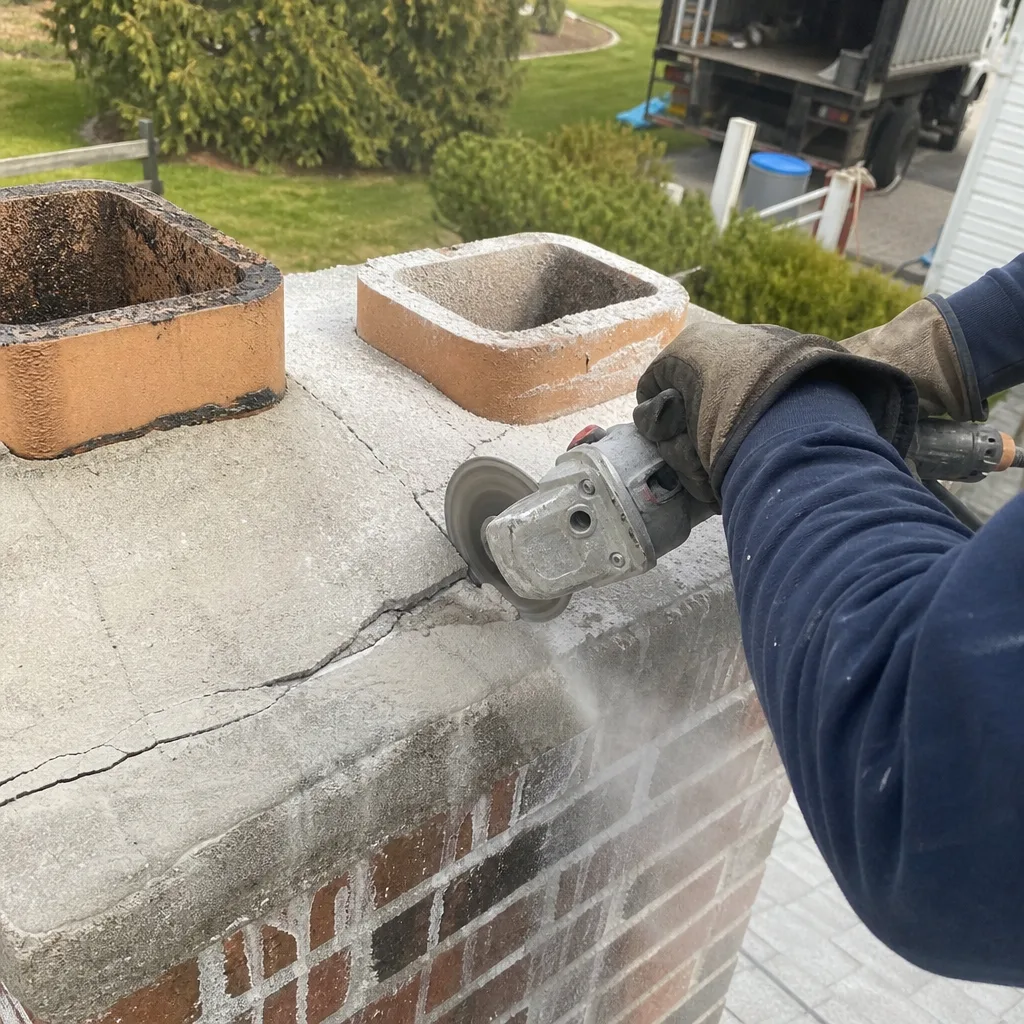
The concrete crown at the top of your chimney sheds water away from the flue. Cracks or spalling allow water infiltration that destroys mortar joints from the inside.
Cost in Haverhill: $300-$600 for crown coating with flexible sealant (good for hairline cracks and minor deterioration). $800-$1,500 for partial rebuild if the crown is structurally compromised. Full crown replacement on a large Haverhill Victorian can reach $2,000-$3,500.
What we document: Crack width, depth, and pattern; water intrusion evidence in the smoke chamber; mortar joint condition below the crown. Photos show you exactly what we found and where.
Flue Liner Repair vs. Full Relining
This is the big-ticket finding that causes homeowner anxiety - and the one most likely to be oversold without documentation.
Liner repair (localized): $400-$900 for stainless steel patch plates, joint repair, or minor crack sealing with HeatShield cerfractory foam. Only viable for isolated damage in otherwise sound liners.
Full stainless steel relining: $2,500-$5,500 for a typical Haverhill single-flue fireplace, depending on flue height, diameter, and access. Multi-flue systems or inserts requiring ovalization run higher. We use DuraFlex and Olympia Chimney liners procured through our Haven buying network.
The documentation standard: Nothing is recommended without camera evidence you can see for yourself. Clause 4 of the Haven Standard requires a photo record on every job, and that record is what separates a necessary reline from an upsell. We’ve had Haverhill homeowners bring us competitor recommendations for $4,000 relines - our free second opinion found localized joint gaps repairable for $600. The camera doesn’t lie; the absence of a camera makes lying easy.
Smoke Chamber Parging
The smoke chamber (the area above the damper and below the flue) should be smooth to guide smoke upward. Corbelled brick or rough surfaces create turbulence and creosote accumulation.
Cost in Haverhill: $1,200-$2,500 for chamber parge with UL-listed refractory mortar. Often performed during relining projects for system-wide compliance.
Fuel Type and Flue Count: Hidden Cost Drivers
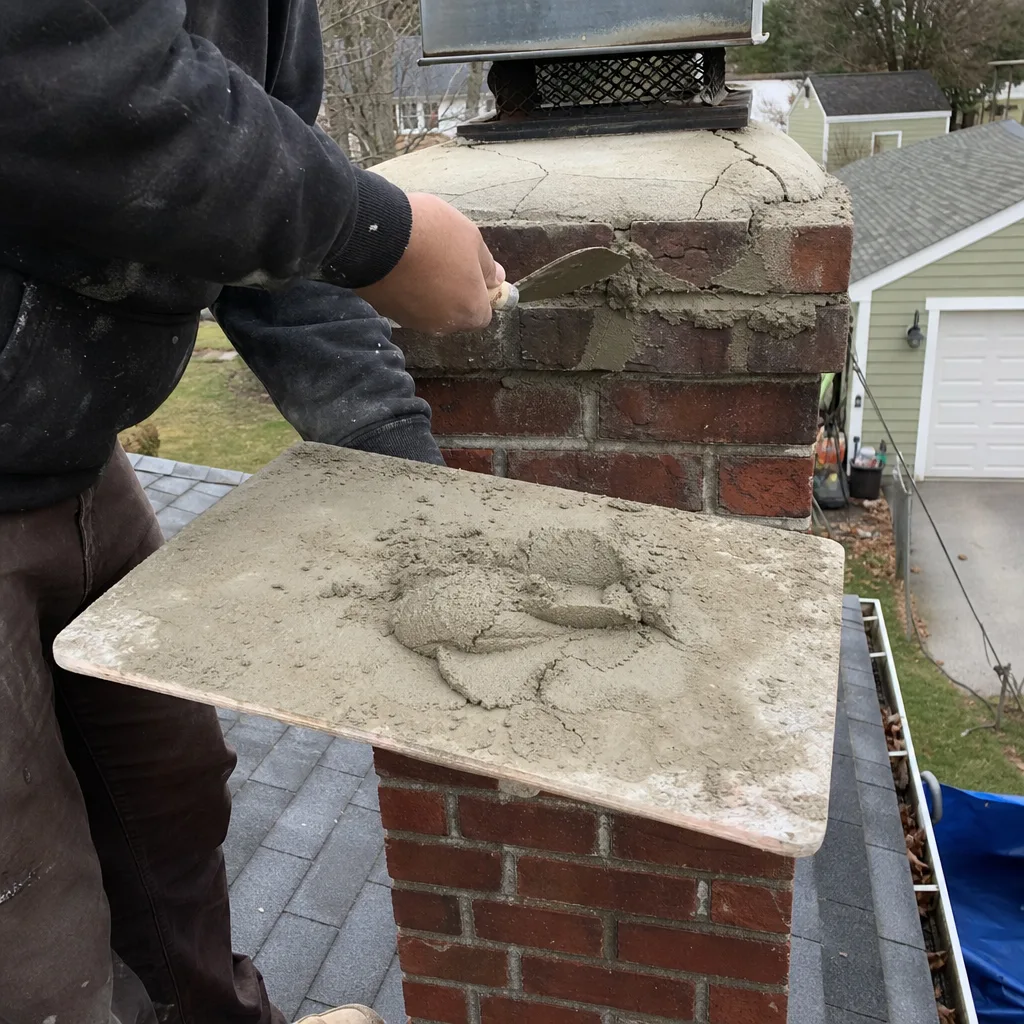
Many Haverhill homes built before 1950 have multiple flues serving different fuels, and each combination changes your cleaning cost.
Wood-burning fireplace: Standard sweep with creosote evaluation. Most variable cost due to creosote stage.
Gas fireplace or insert: Lower sweep cost ($120-$200) because no flammable creosote forms. Still requires inspection for condensate damage, debris blockage, and venting integrity. Direct-vent systems need specific termination inspection.
Oil furnace/boiler flue: Soot removal with specialized vacuums and disposal. Sulfuric acid residue from modern low-temperature oil burners deteriorates terra cotta liners faster than wood creosote. We inspect oil flues for liner degradation that can allow carbon monoxide leakage into living spaces.
Gas furnace/boiler flue: Corrosive condensate from high-efficiency appliances damages liners and masonry. Requires inspection for proper venting category and condensate drainage.
Common Haverhill configurations we encounter:
- Bradford triple-deckers: One wood fireplace flue, one oil boiler flue, sometimes a former coal flue now unused
- Kenoza Avenue Victorians: Two fireplace flues (parlor and master bedroom), one furnace flue
- 1950s-1970s ranches in Riverside: Single flue with gas conversion insert, original wood flue oversized for current appliance
- Avenues area homes with auxiliary wood stoves: Second flue or stainless steel liner in unlined chimney
Each additional flue adds cost but not proportionally. A second flue cleaned during the same visit typically runs 60-75% of the first flue’s price because travel, setup, and equipment are already deployed.
Haverhill-Specific Access Challenges
Our city’s housing stock and climate create conditions that don’t appear in generic cost guides.
Roof pitch and material. Haverhill’s historic districts - Bradford, Mount Washington, the Avenues - have steep slate and wood shingle roofs that require specialized ladder placement, roof jacks, or in some cases interior access through attic spaces. A 12/12 pitch slate roof in January is not the same job as a 4/12 asphalt ranch in July. We account for this in our written price, not as a surprise add-on.
Lot density and equipment access. Narrow driveways, zero-lot-line construction, and on-street parking in denser neighborhoods limit truck and ladder positioning. Sometimes we need to carry equipment through the house or use specialized compact vacuums. This adds time, not drama - and it’s priced upfront.
Ice and snow season. Haverhill’s freeze-thaw cycles run November through March. Ice dams, snow-covered roofs, and frozen access points can delay exterior inspection components. We don’t perform unsafe roof work, and we don’t charge you for a return visit to complete exterior documentation when conditions improve.
Interior access in finished basements. Many Haverhill boiler flues terminate in finished basement spaces with drop ceilings or built-in cabinetry. Access for inspection and cleaning may require temporary removal of ceiling tiles or panels - work we perform carefully and restore completely, with that contingency noted in the written scope.
Local code context. Haverhill follows the Massachusetts State Building Code with amendments through the Haverhill Building Department. Wood-burning installations require permits for new construction or significant alteration. Our inspections note code compliance for your protection, though cleaning itself does not require permitting.
How to Evaluate Any Quote You Receive
Whether you call us or a competitor, use this checklist to compare actual offerings, not just bottom-line numbers.
- Is the inspection level specified? “Chimney cleaning” without a Level designation usually means Level 1 or less. Ask directly: “Does this include a camera inspection of the full flue?”
- Is documentation described in detail? “Report” can mean a carbon-copy checklist or a 20-page photo document. Ask how many photos, whether video is archived, and how you receive it.
- Is the price fixed or estimated? Written price before work starts (Haven Standard Clause 1) vs. “we’ll see when we get there.”
- Are technician credentials provided? Name, license number, background check confirmation. Anonymous technicians are a red flag.
- What’s the warranty and how is it enforced? Verbal “satisfaction guaranteed” vs. written 365-Day Done Right Promise with specific remedy language.
- Are common findings priced? A company that won’t discuss cap, crown, or liner costs before visiting may be planning to discover them on-site.
- Is the quote valid if you don’t book immediately? Pressure to “lock in today’s price” suggests the price isn’t real.
We’ve completed more than 38,000 chimney inspections and cleanings since 2009. Every one had a written price before work started and a documented record when it was done. That volume isn’t a brag; it’s the practice that makes our pricing accurate and our documentation consistent. Chimney Cleaning & Sweep in Haverhill is built on that record.
Common Mistakes to Avoid
- Booking on price alone without asking what’s included. The $99 special is often a loss-leader designed to find $800 of “necessary” repairs once the technician is inside. Ask what inspection level, what documentation, and what warranty come with that price.
- Assuming annual cleaning means annual inspection. Many Haverhill homeowners have “their guy” who brushes the flue every fall but has never run a camera. Cleaning without documentation is maintenance without knowledge.
- Burning unseasoned or scrap wood to save money. Pallet wood, construction lumber, and freshly cut hardwood create Stage 2 and 3 creosote rapidly. The savings on fuel are erased by increased cleaning costs and fire risk.
- Ignoring oil and gas flues. “I don’t use my fireplace, so I don’t need a sweep” ignores the furnace or boiler flue that vents carbon monoxide every day. These flues deteriorate from condensate and acid, not just creosote.
- Accepting verbal findings without photo evidence. “Your liner is cracked” should be followed by “here’s the photo at 14 feet showing the crack width.” No photo, no proof, no payment for repair.
- Delaying cap or crown repair because “it’s just the top.” Water infiltration from a failed crown destroys mortar joints from inside, turning a $400 cap replacement into a $3,000 rebuild. Haverhill’s freeze-thaw cycles accelerate this damage.
- Not getting a second opinion on major recommendations. Our Free Second Opinion on Any Written Estimate exists because we’ve seen unnecessary relines, premature rebuilds, and fabricated “emergencies.” Bring us a competitor’s written quote and we’ll review it against what our camera finds.
When to Call a Professional
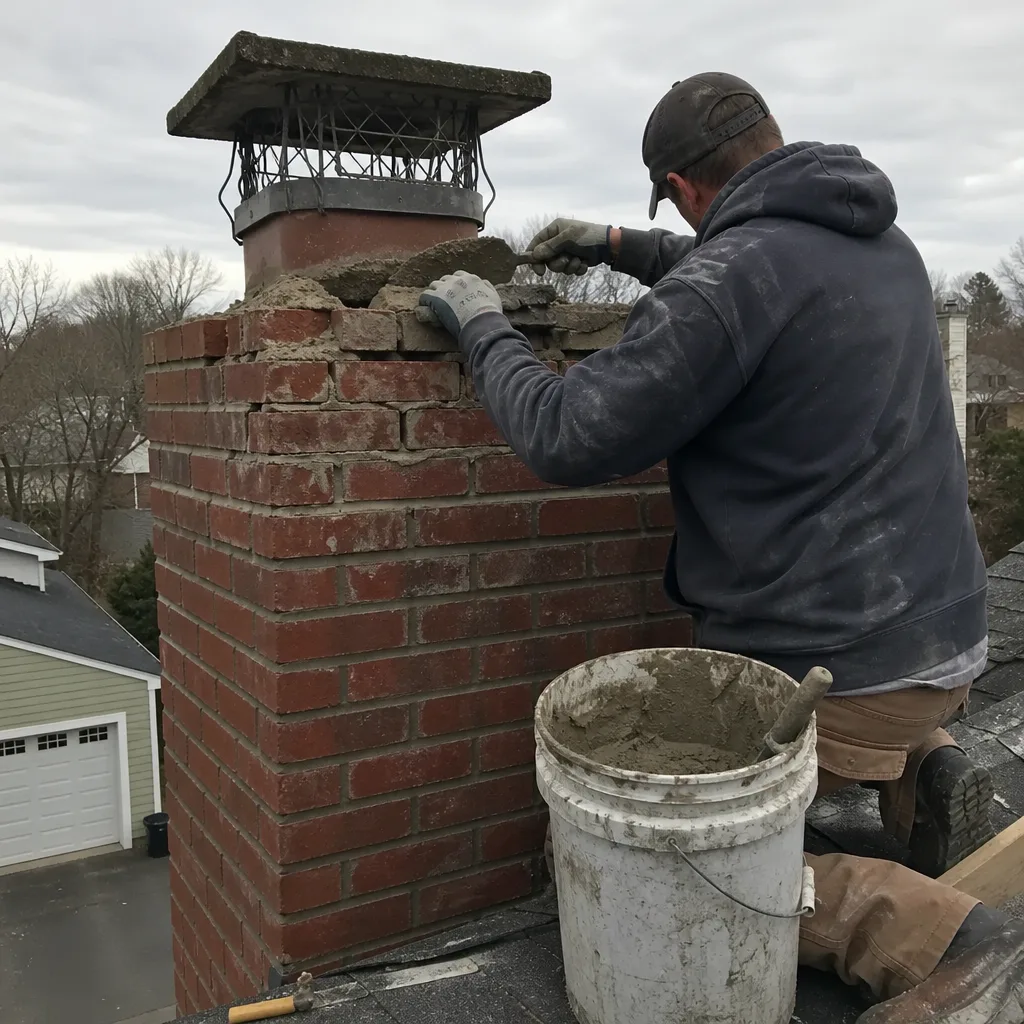
Call for a Level 2 inspection and cleaning if you haven’t had a camera inspection in the past two years, if you’ve noticed draft problems or smoke spillage, if you’re buying or selling a home in Haverhill, or if you’ve changed fuel types or appliances. Call immediately if you’ve had a chimney fire, lightning strike, or earthquake event - even if damage isn’t visible from below.
For oil and gas systems, annual inspection is the standard regardless of fireplace use. Carbon monoxide doesn’t announce itself. A deteriorated liner or blocked flue can channel deadly gas into living spaces without warning odor or visible sign.
Level Two Chimney Haverhill offers free estimates in Haverhill - call (351) 444-9705. You’ll speak to a live person, 24 hours a day, not a voicemail or web form. We’ll ask about your flue count, fuel types, and home style so your written price reflects your actual system, not a generic guess.
Frequently Asked Questions
A standard chimney sweep with NFPA 211 Level 2 camera inspection in Haverhill costs $250-$450 in 2026. Brush-only services without documentation run $99-$180. The price depends on flue height, number of flues, creosote stage, and access difficulty specific to your home. Call (351) 444-9705 for a written price before any work starts - estimates are free.
It depends on the damage type, extent, and location - which is why camera documentation matters. Isolated cracks or joint gaps often can be repaired with stainless steel patches or HeatShield cerfractory foam for $400-$900. Multiple cracks, spalling tile throughout the flue, or missing liner sections typically require full relining at $2,500-$5,500. We don’t recommend either without photo evidence you can see. Our free second opinion service reviews any competitor’s written reline recommendation against our camera findings.
Wood-burning fireplaces: annually if used regularly, or per cord of wood burned (approximately every 50 fires). Oil and gas systems: annually regardless of use, due to corrosive condensate and sulfuric acid residue. If you burn unseasoned wood or scrap, you may need mid-season inspection. Haverhill’s cold winters and frequent freeze-thaw cycles make annual documentation especially valuable for tracking deterioration.
Stage 1 soot becomes Stage 2 or 3 creosote, which is concentrated fuel for chimney fires reaching 2,000°F. Deteriorated liners and blocked flues can leak carbon monoxide into living spaces. Water infiltration from uncapped or crowned chimneys destroys mortar and masonry from inside. These aren’t hypothetical risks - we’ve documented chimney fires in Haverhill homes that skipped two or more seasons, and carbon monoxide alarms triggered by blocked furnace flues. The cleaning cost is minor compared to the consequences.
The spread reflects different service levels, not just markup. A $99 special typically means Level 1 inspection (flashlight only), no documentation, no written warranty, and a technician incentivized to find billable add-ons. A $350-$450 service includes Level 2 camera inspection, documented photo record, written price before work, and a 365-Day Done Right Promise. The higher price is for accountability and evidence, not just a cleaner flue. Ask any company what inspection level, documentation, and warranty their price includes.
Our standard appointment includes: NFPA 211 Level 2 inspection with camera scan from firebox to cap; mechanical sweep with debris containment and HEPA vacuum; documented photo record of liner condition, joints, and any defects; written findings report with specific locations and recommendations; written price for any additional work before it begins; and 365-Day Done Right Promise on all work performed. Background-checked, uniformed technician with license number provided; text notification when en route. Materials from DuraFlex, HeatShield, Olympia Chimney, Famco, and Copperfield as needed.
For a ground-level gas fireplace with minimal soot, a homeowner can sometimes manage basic maintenance. For wood-burning systems with creosote, oil and gas flues with corrosive residue, or any system with roof access requirements, we recommend professional service. High-tension rotary cleaning equipment, roof safety protocols, and camera documentation require training and insurance. More critically, a homeowner cannot assess their own liner condition without a camera system and the experience to interpret what it shows. The savings on DIY brushing are lost if a deteriorated liner goes undetected.
The Bottom Line
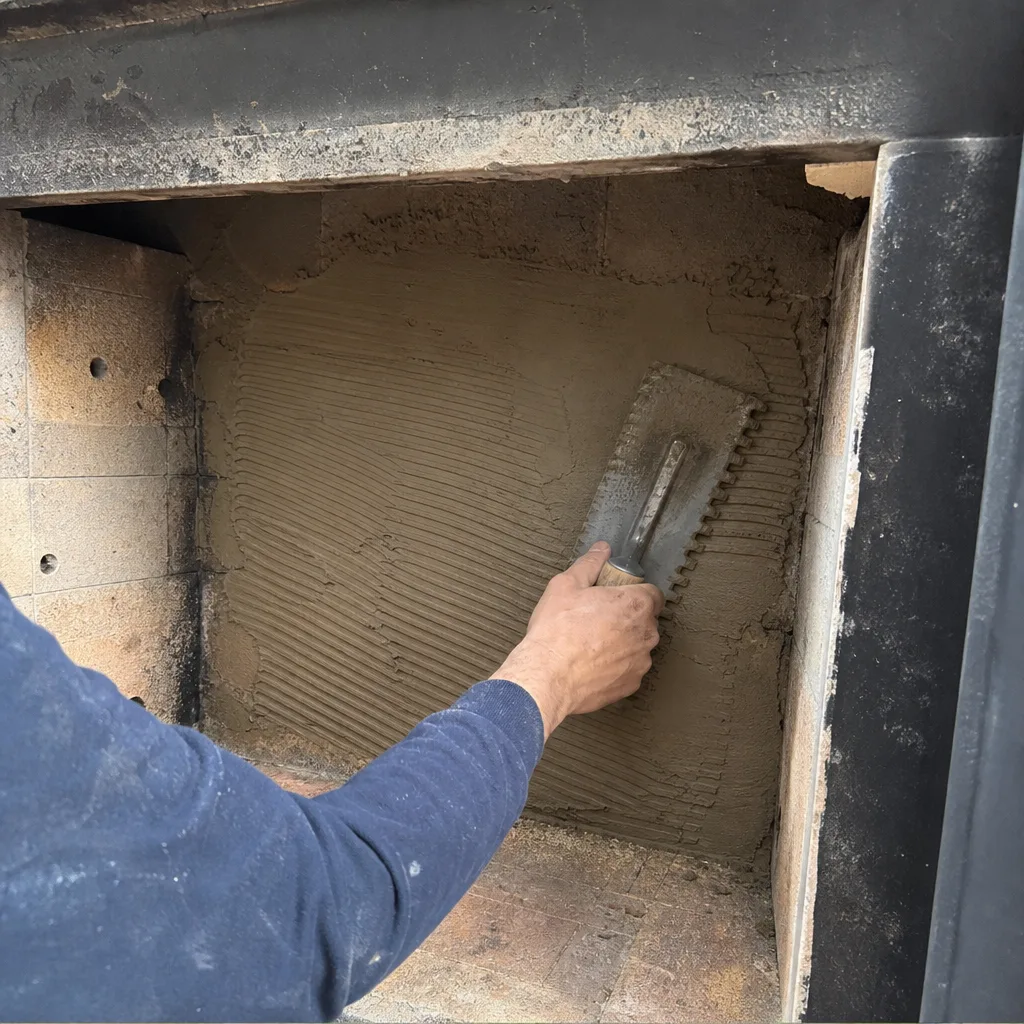
Chimney cleaning costs in Haverhill range from $99 to $450 and beyond, but the price alone tells you almost nothing. What matters is what’s included: the inspection level, the documentation delivered, the warranty backing it, and whether the price is fixed before work starts or inflated after the technician arrives. A $99 brush-only sweep and a $350 camera-documented Level 2 inspection are different services with different outcomes. Use the variables in this guide - flue height, creosote stage, fuel type, access difficulty, and the specific findings common to Haverhill’s housing stock - to decode any quote you receive. Demand written prices, photo evidence, and named accountability. The chimney service industry has resisted transparency for decades; the Haven Standard was built to deliver it.
Written by Corrine Halstead, Owner at Level Two Chimney Haverhill, serving Haverhill since 2009.