
Last updated September 22, 2026
Level 1 sweep and inspection to the NFPA 211 annual standard - flue, crown, cap, and flashing checked and photographed
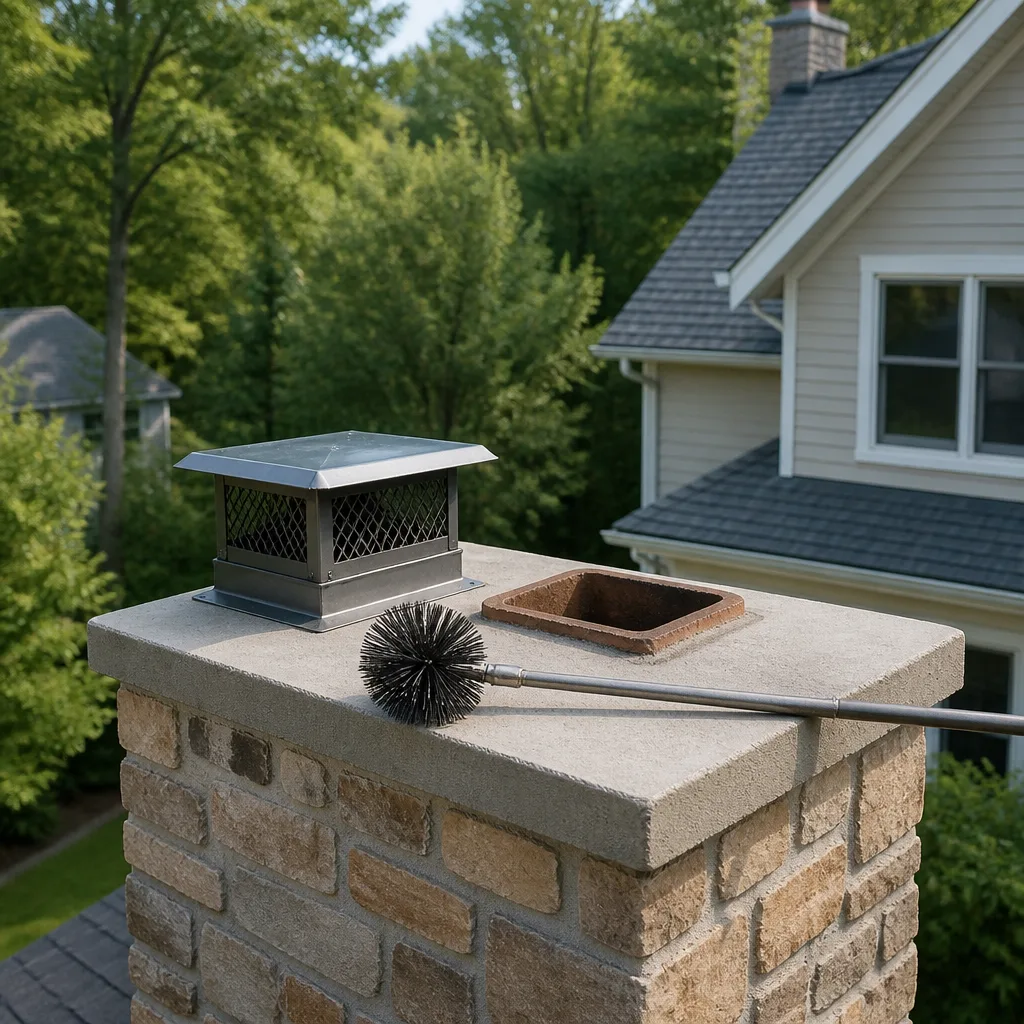
Chimney sweep logs do not sweep chimneys. They loosen some creosote - which then falls where a brush and vacuum still have to collect it.
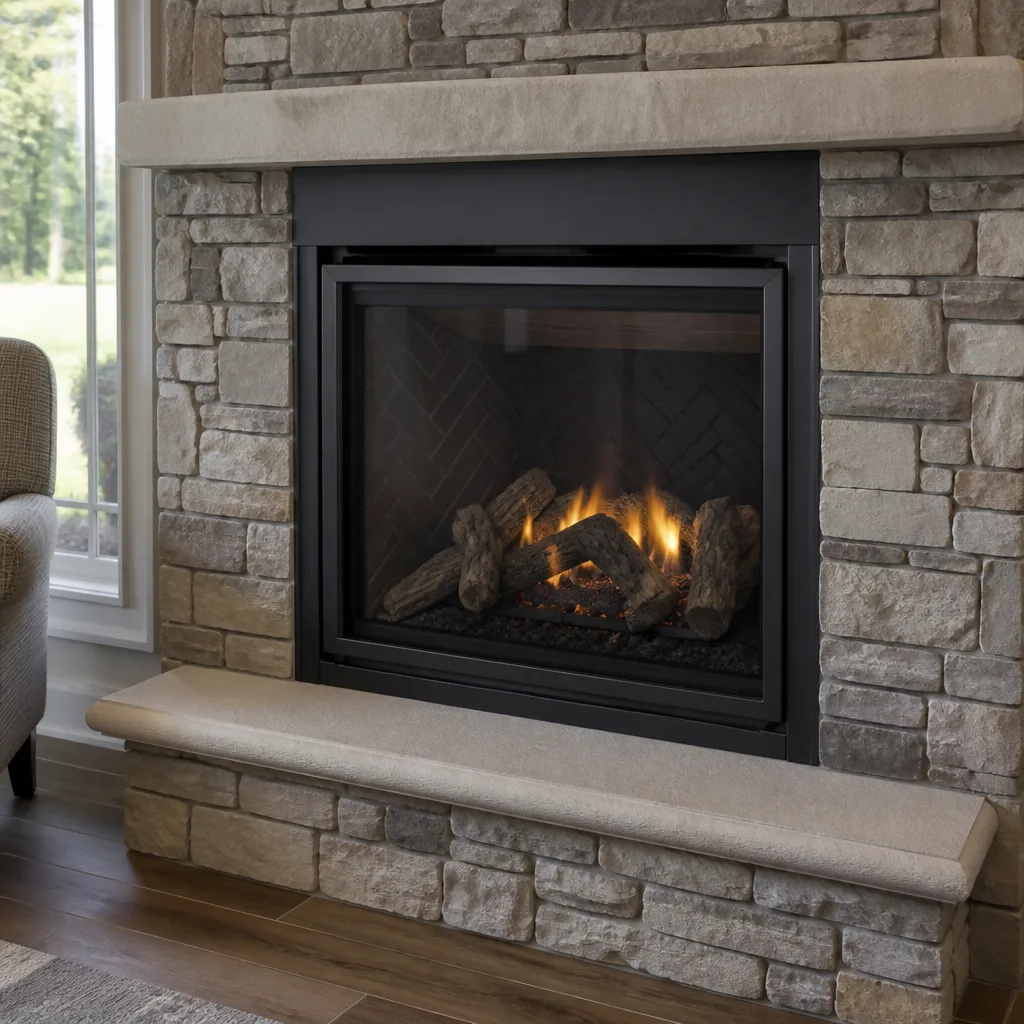
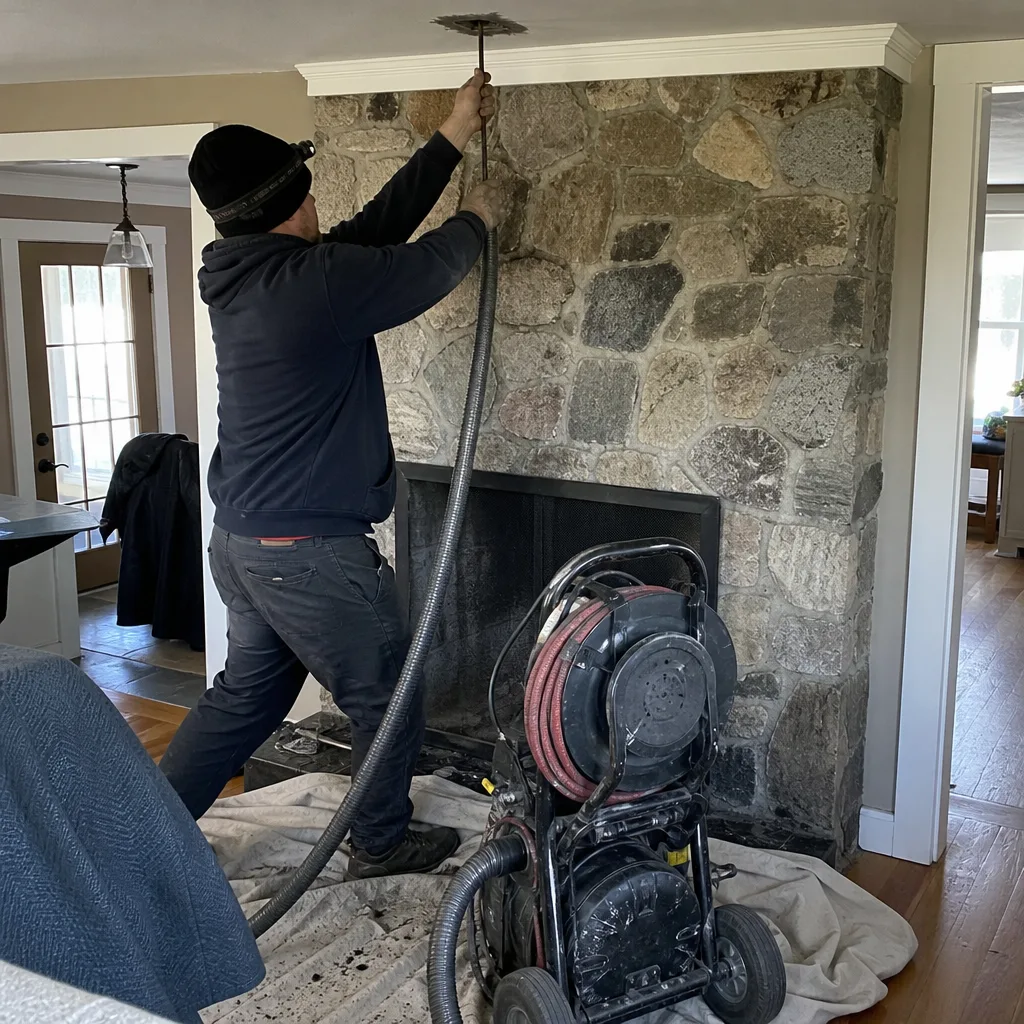 Before
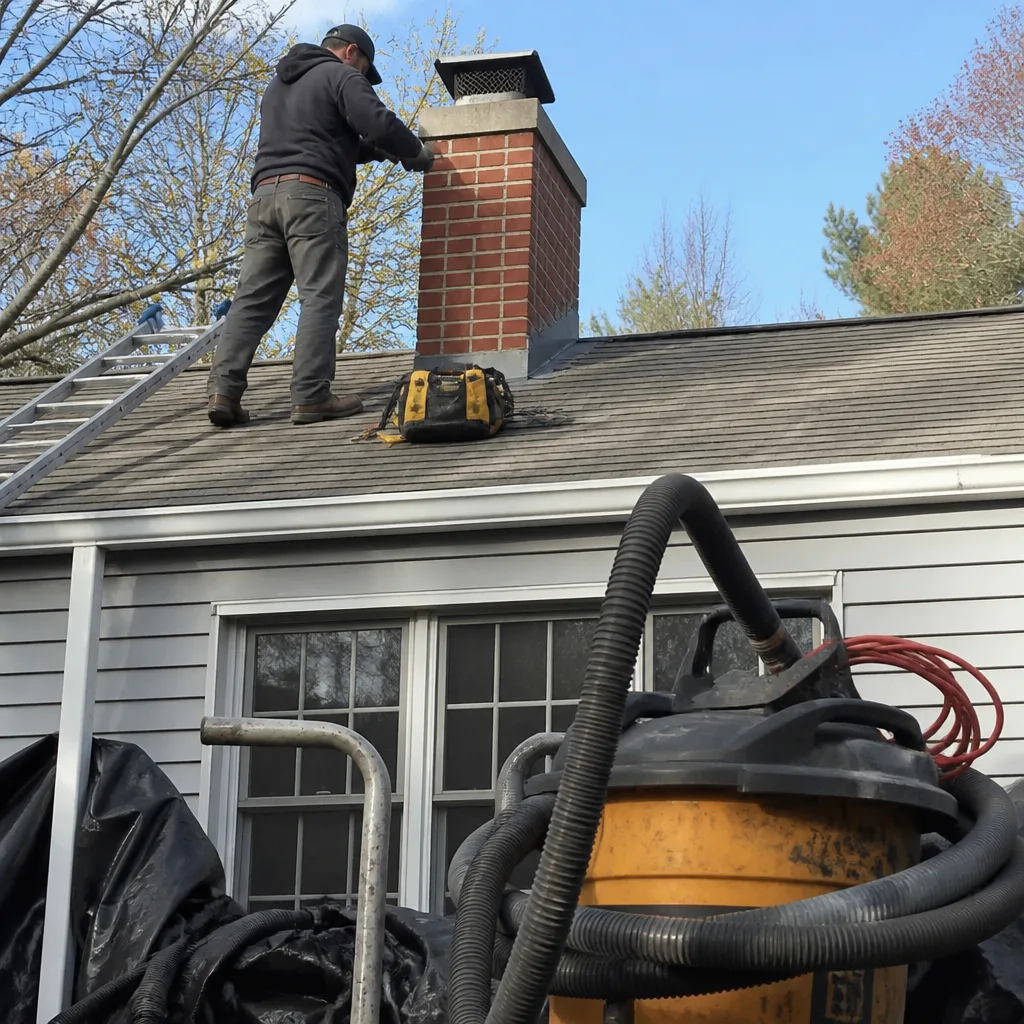 After
After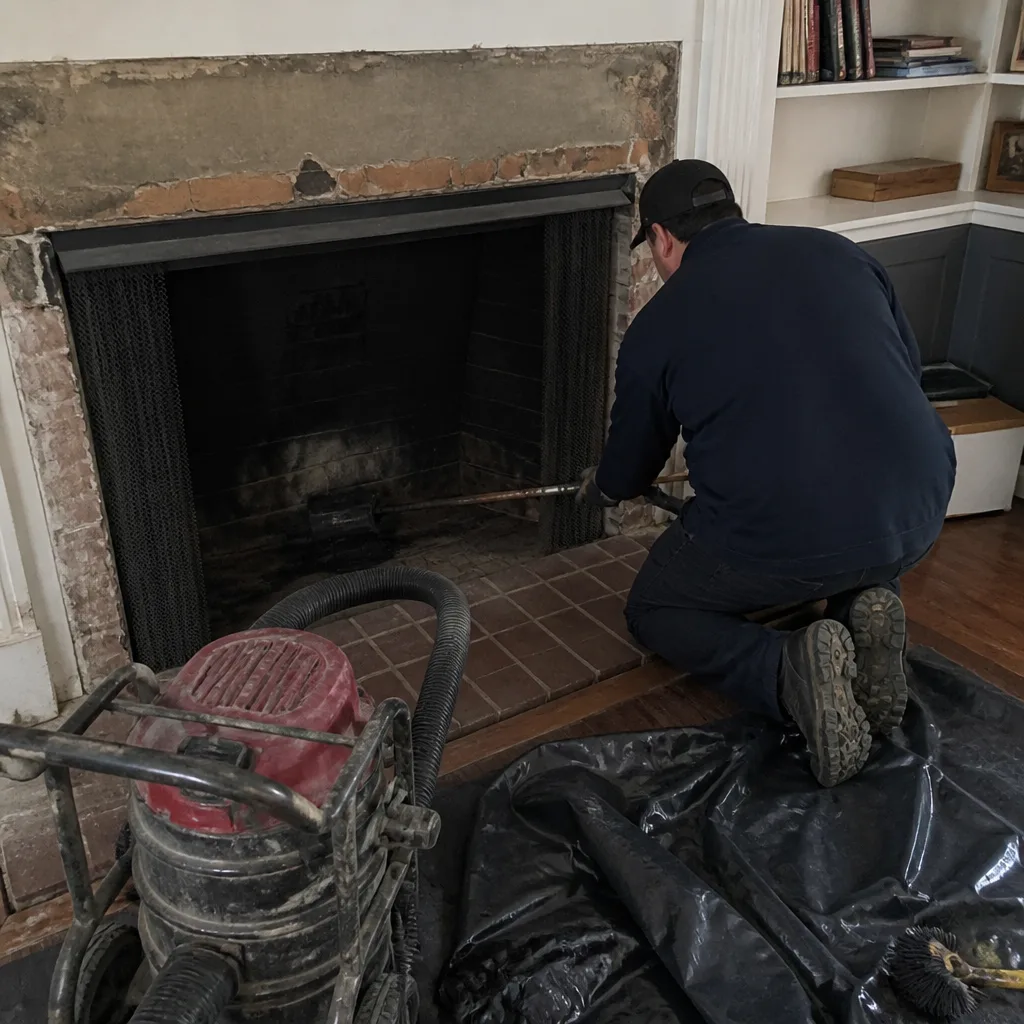 Before
 After
After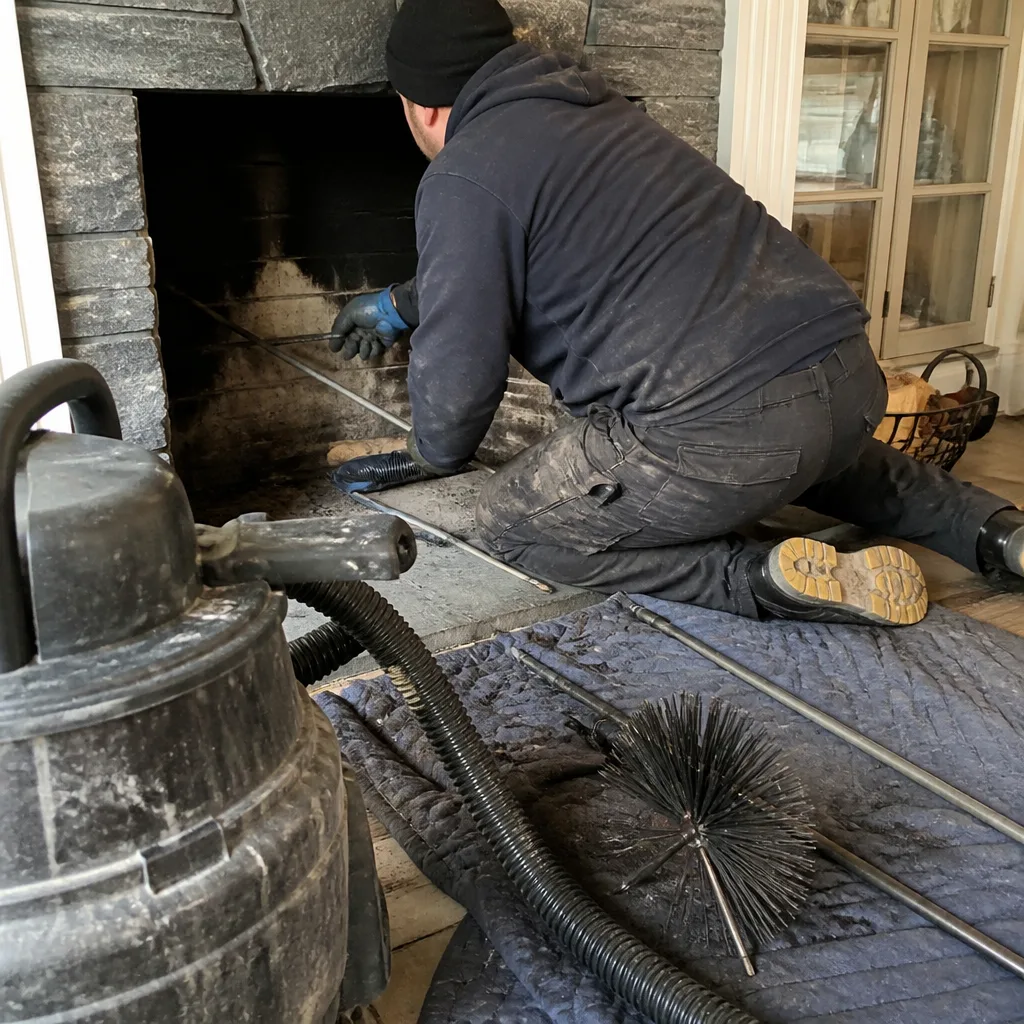 Before
 After
AfterChimney Cleaning & Sweep Maintenance Checklist for Haverhill Homeowners
Most chimney checklists tell you to “schedule annual cleaning” and stop there. That advice is worth about as much as the paper it’s not printed on. In Haverhill, where the Merrimack Valley’s freeze-thaw cycle can turn a hairline crown crack into a $2,400 rebuild inside of two winters, what matters isn’t the appointment itself. It’s what you can verify before the sweep arrives, what equipment comes through your door, and what documentation you hold in your hand when they leave. Since 2009, we’ve completed more than 38,000 chimney inspections and cleanings, and the homeowners who get the most value from their sweep are the ones who treat it like a documented transaction, not a trust exercise. This checklist maps every item to something you can see, read, or photograph yourself.
Quick Answer
A complete Chimney Cleaning & Sweep maintenance checklist for Haverhill homeowners covers three phases: pre-appointment observations at the firebox, damper, and exterior crown; during-service verification of camera-scan equipment, drop cloth protocols, and written scope confirmation; and post-service documentation including before/after photos, creosote stage classification, and price reconciliation against the original written quote. In Haverhill’s climate, seasonal checks between annual sweeps should monitor crown sealant condition after freeze-thaw cycles and rust patterns on metal chimney caps that accelerate in Merrimack Valley humidity.
Table of Contents
- Pre-Appointment: What to Check Before the Sweep Arrives
- During Service: What Should Come Through Your Door
- Post-Service Documentation: What You Should Walk Away With
- Haverhill Seasonal Maintenance Between Annual Sweeps
- Red Flags That Trigger an Immediate Follow-Up Call
- What Chimney Sweep Services Cost in Haverhill
- Common Mistakes to Avoid
- When to Call a Professional
- Frequently Asked Questions
 Before
 After
AfterPre-Appointment: What to Check Before the Sweep Arrives
The most useful thing you can do for your sweep, and for yourself, is arrive at the appointment with observations already recorded. Not guesses. Not “it seems fine.” Actual notes, with dates, that you can compare against the technician’s findings.
Start at the firebox. Open the damper fully and look up the flue with a flashlight held at arm’s length. You’re not diagnosing anything. You’re establishing a baseline. Note the color of the deposits: light, flaky brown material is Stage 1 creosote, normal for a season of moderate wood burning. Black, shiny, tar-like glazing is Stage 3, and if you see it, the sweep needs to know before they quote the job, because mechanical brushing won’t remove it. For a deeper understanding of what these stages mean, see our Chimney Cleaning Warning Signs: A Haverhill Homeowner’s Reference Guide. HeatShield or other refractory resurfacing may be required. In our experience across Haverhill’s older housing stock, particularly in the Bradford and Mount Washington neighborhoods where fireplaces see heavy winter use, homeowners who photograph their firebox ceiling and smoke chamber throat before the appointment catch discrepancies in post-service reports more reliably than those who don’t.
Move to the damper. Open and close it three times. It should move freely and seat fully in both positions. Note any grinding, catching, or incomplete closure. A damper that won’t fully close is a year-round energy loss in Haverhill’s heating climate, and it’s a safety issue if embers remain active after the fire dies. If your damper is throat-mounted and original to a pre-1980 home, expect the technician to recommend a top-sealing replacement. Don’t accept that recommendation without camera evidence of the frame condition.
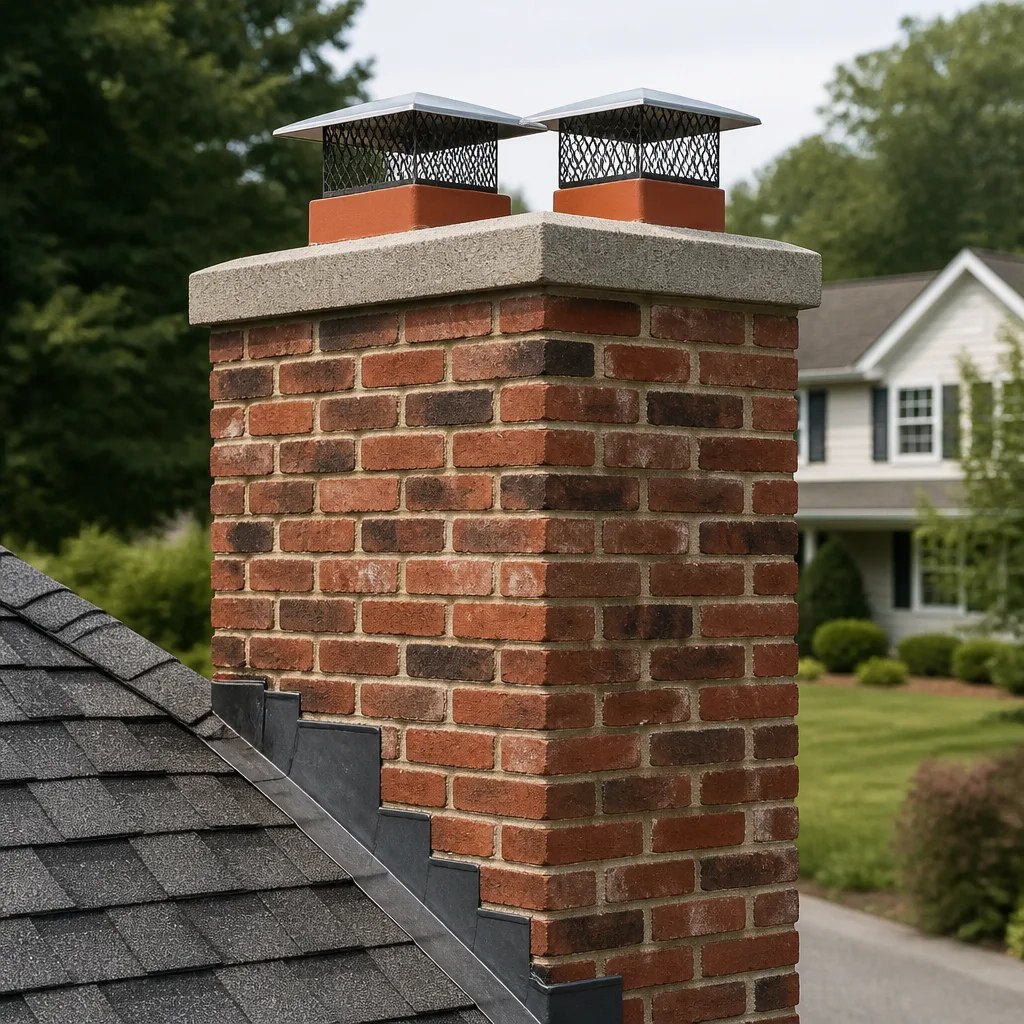
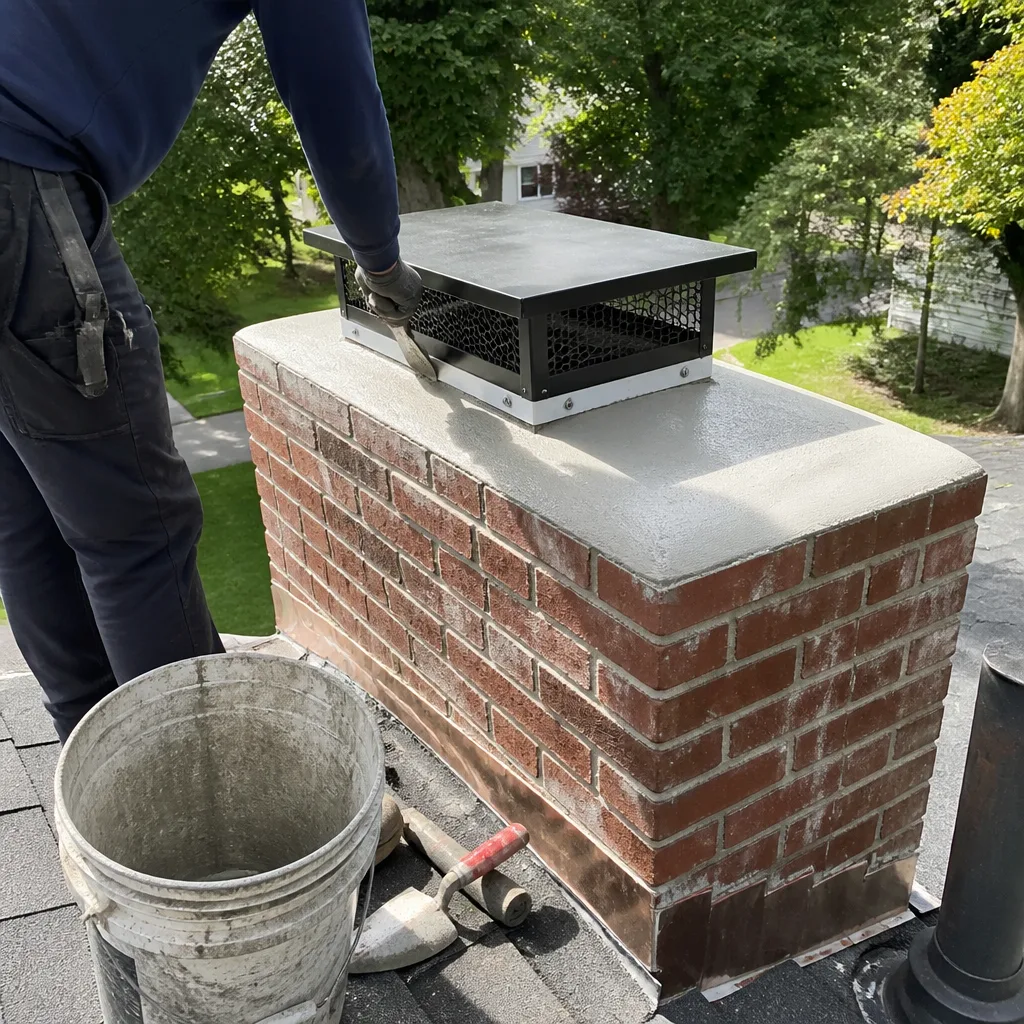
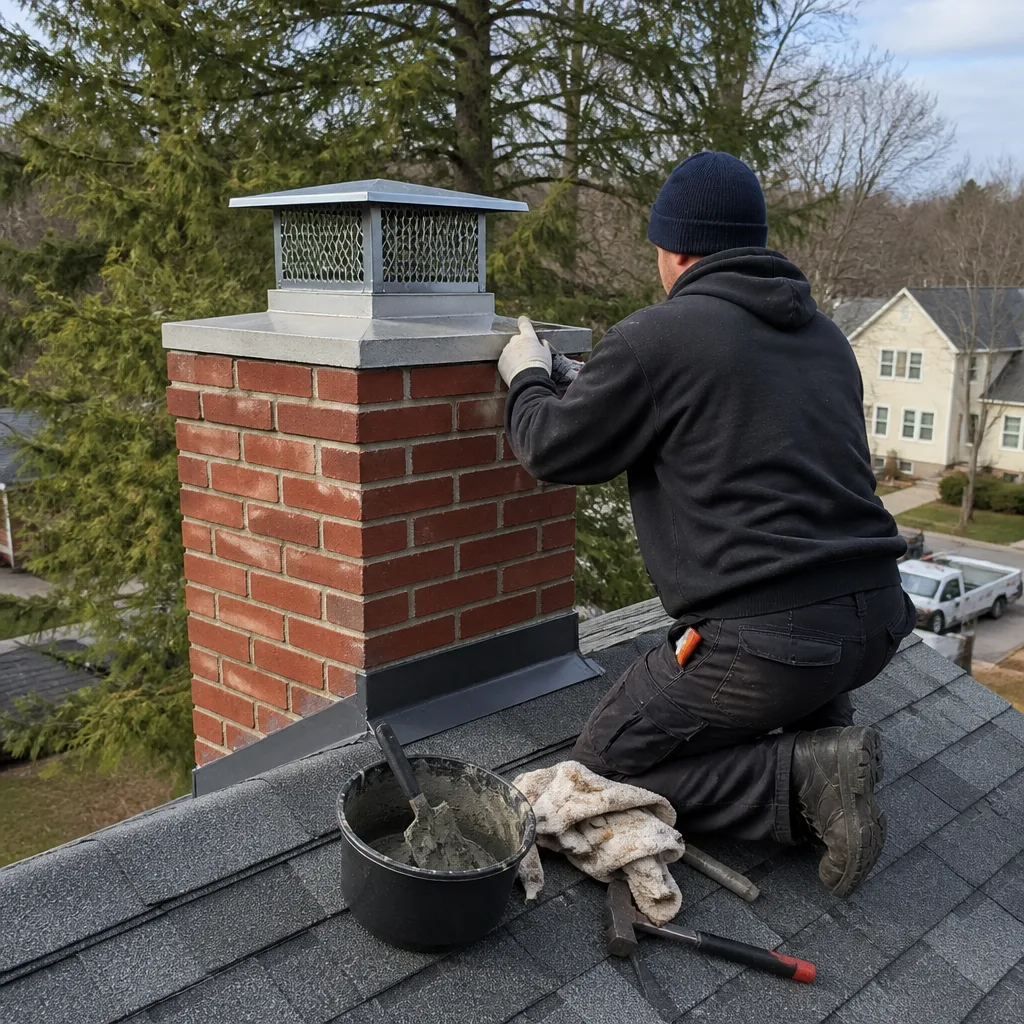
Check the exterior from ground level with binoculars. You’re looking for three things on the crown: standing water after rain, visible cracks wider than a dime, and missing or degraded sealant at the flue tile junction. In Haverhill, crown sealant typically degrades faster on south-facing exposures due to UV cycling, but the real damage comes from water infiltrating cracks, freezing overnight in January or February, and expanding the fissure. We’ve replaced crowns in the Acre neighborhood where a crack visible in October became a spalled, leaking surface by March. Photograph what you see. Date the photograph.
Finally, note any changes in fireplace performance since last season: longer kindling times, smoke rollout on opening the door, cold drafts when the fireplace isn’t in use. These symptoms map to specific defects, and the technician should address each one in their written findings, not just clean the flue and leave.
During Service: What Should Come Through Your Door
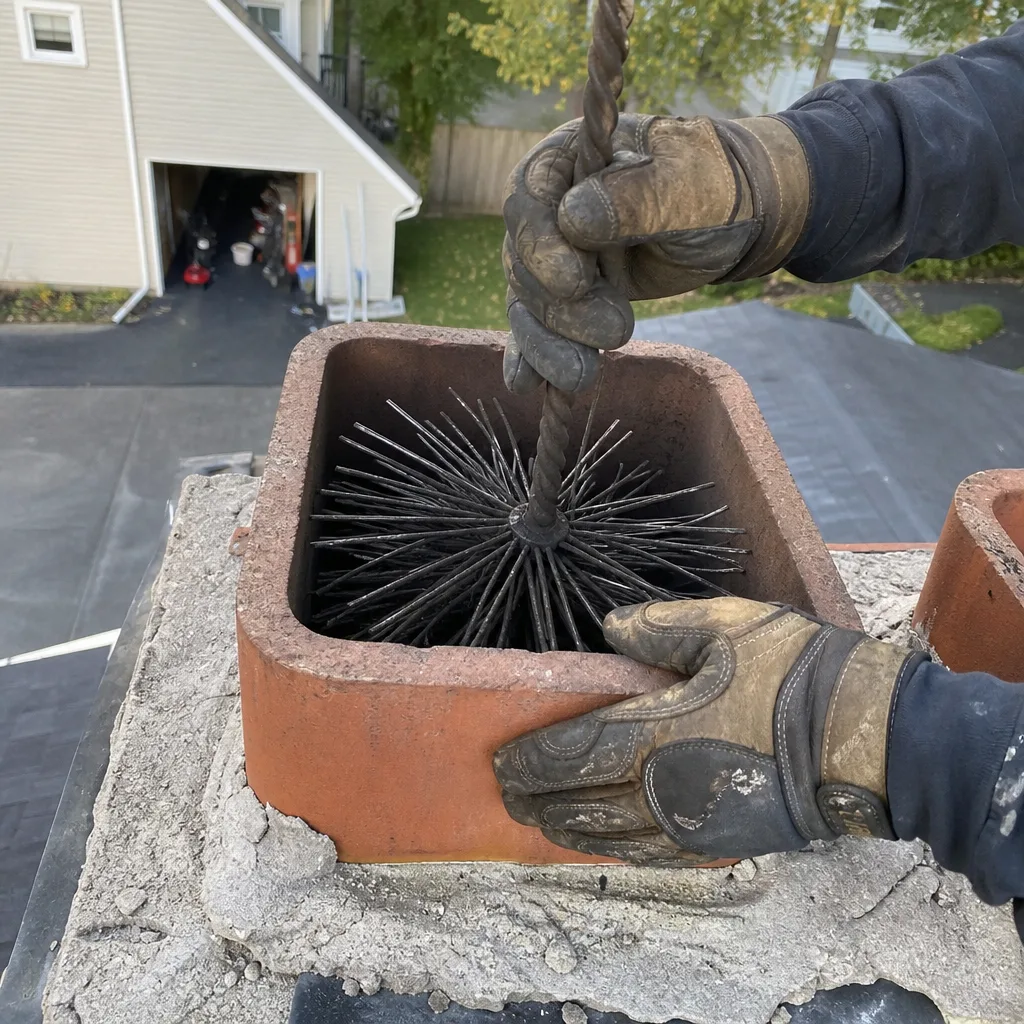
A proper chimney sweep in Haverhill is not a vacuum-and-brush operation. It’s a documented inspection with cleaning as one component. Here’s what you should verify while the technician is on site.
Step 1: Verify the Technician’s Credentials and Equipment
- The technician arrives in a marked vehicle, in uniform, with a name badge and license information visible. Clause 3 of the Haven Standard, “Verified crews,” requires background-checked technicians assigned by name, with a text notification when they’re en route.
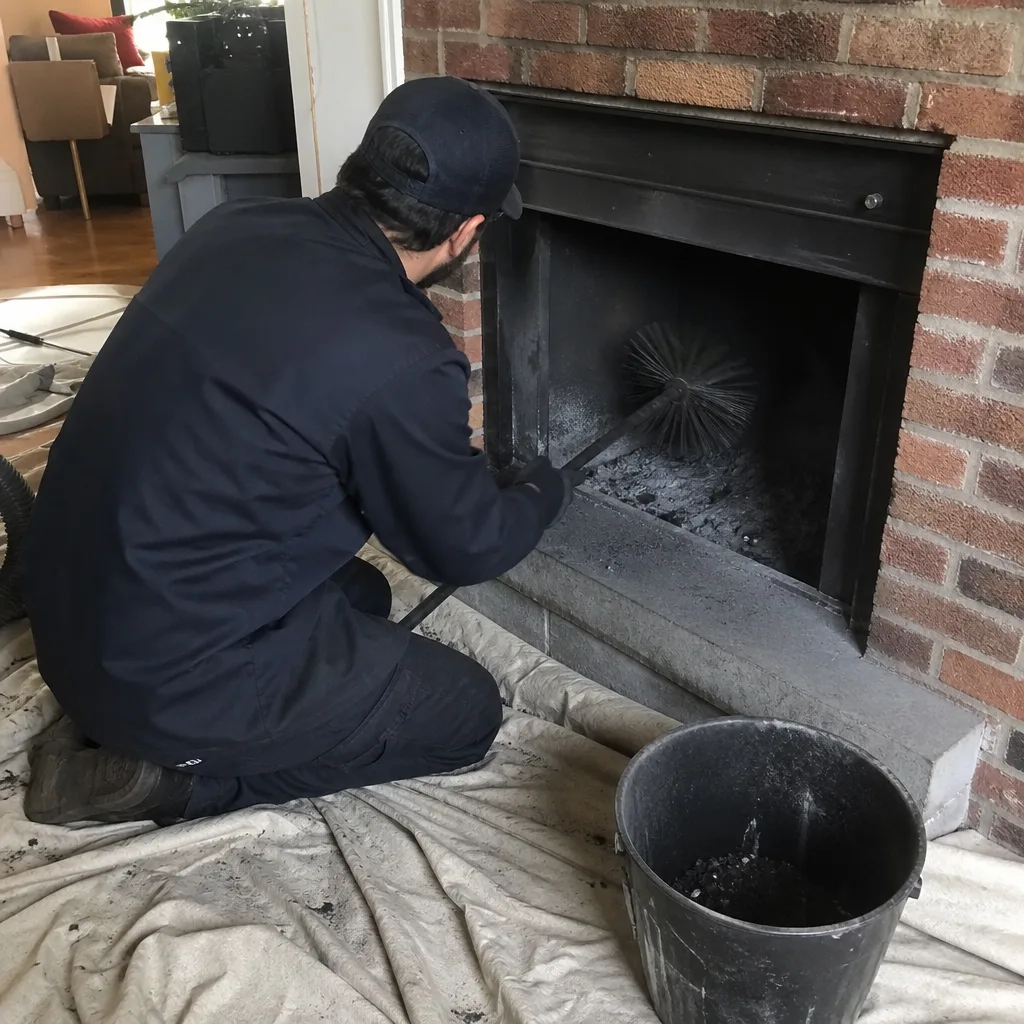
- The equipment brought through your door includes: a rotary or mechanical sweep system appropriate for your flue liner material; a drop cloth system that covers the work path from the entry door to the fireplace; a video scanning system with a monitor you can view; and personal protective equipment including respirator and eye protection. If the technician shows up with only a wire brush and a shop vacuum, you’re not receiving an NFPA 211 Level 2 inspection.
- The technician confirms the written scope of work with you before starting, including the price. This is non-negotiable under Haven Standard Clause 1. The price quoted when you booked should match the price on the work authorization you sign. If it doesn’t, stop the job until it does.
Step 2: Observe the Drop Cloth and Containment Setup
Proper containment isn’t courtesy. It’s protection for your HVAC system. Fine particulate from chimney deposits, particularly if Stage 3 creosote is present, will migrate through your home if not contained. The technician should lay a runner from the entry point to the fireplace, seal the fireplace opening with a vacuum-assisted containment system during sweeping, and run a HEPA-filtered vacuum continuously. In Haverhill’s tighter-built homes from the 1990s and 2000s, particularly in the Riverside and Ayers Village developments, negative pressure from modern HVAC systems can actually draw chimney particulate into living spaces if containment is inadequate.
Step 3: Witness the Camera Scan
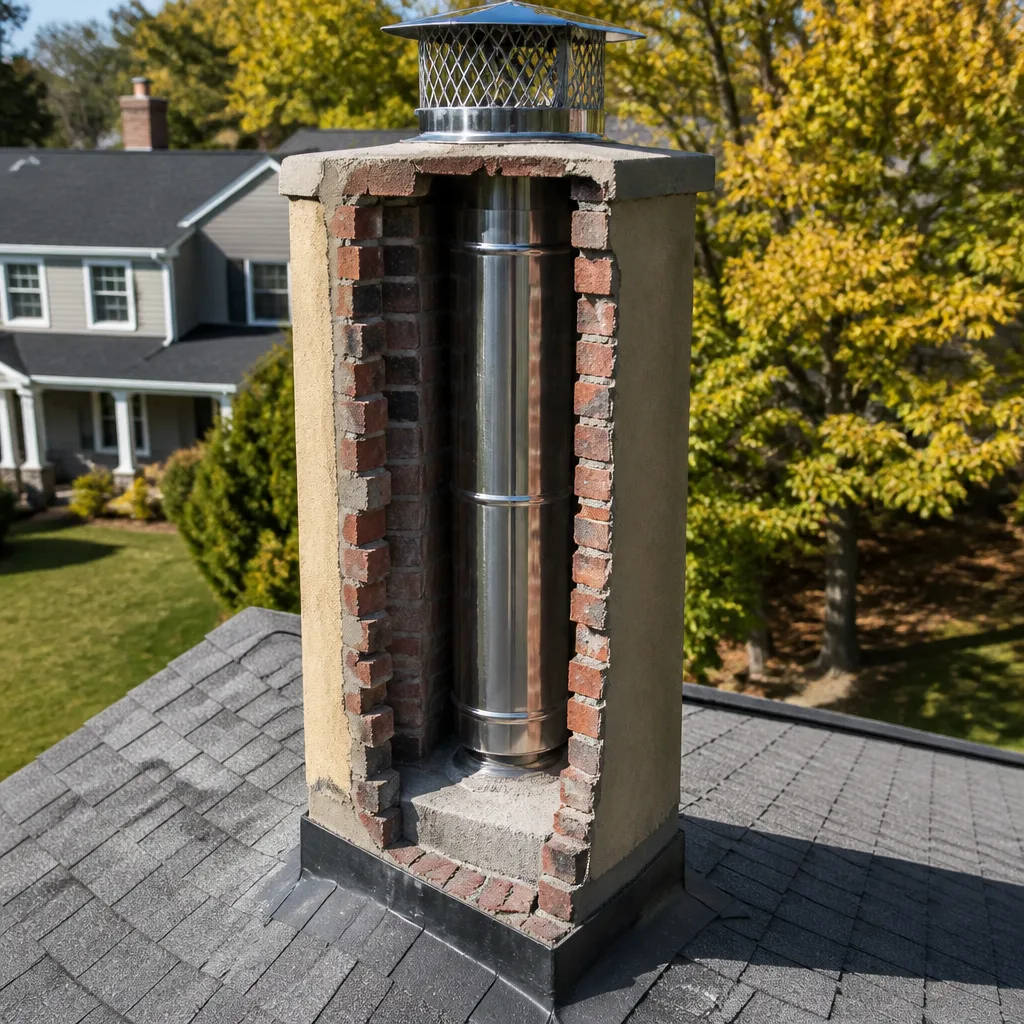
The NFPA 211 Level 2 inspection requires a camera scan of the flue interior. This is not optional, and it’s not an upsell. The technician should invite you to view the monitor as the camera ascends. What you’re watching for: liner joint alignment (offsets indicate structural movement), mortar loss between flue tiles, glazing deposits that brushing missed, and any visible perforation or spalling. Ask the technician to pause at any anomaly and explain what you’re seeing. A technician who won’t pause, or who completes the scan without offering you the view, is not performing a Level 2 inspection regardless of what the invoice says.
Step 4: Confirm the Work Authorization Before Sign-Off
Before the technician packs equipment, you should have a signed document stating: what was done, what was found, what was recommended, and what you paid. Not “call the office for recommendations.” Not “the tech will email photos later.” Written. Now. With your copy.
Post-Service Documentation: What You Should Walk Away With
The appointment ends when you hold four items in your hand. Not three. Not “we’ll email that.” Four physical or immediately accessible digital documents.
Item one: the written findings report. This should classify creosote stage (1, 2, or 3), note liner condition by section (firebox, smoke chamber, flue, crown interface), rate damper function, and assess crown and cap integrity. Generic checkboxes (“cleaned,” “inspected”) are insufficient. The report should use trade terminology with plain-language explanation: “spalling” with “surface flaking of masonry due to moisture infiltration,” “Class III creosote” with “hardened, glazed deposit requiring chemical treatment or mechanical removal with specialized equipment.”
Item two: before and after photographs. Clause 4 of the Haven Standard requires a documented photo record on every job, included as standard, not as an optional add-on. You should receive images of the flue interior before cleaning, after cleaning, and of any defects identified. These photos are your baseline for comparing next year’s condition. If the technician claims photos were taken but can’t show them to you before leaving, the documentation doesn’t exist.
Item three: price reconciliation. The amount you pay must match the written price authorized before work began. If additional work was required, you should have a separate written authorization for that work with its own price, signed by you before it was performed. No exceptions. This is the core of Haven Standard Clause 1.
Item four: warranty and follow-up documentation. The 365-Day Done Right Promise should be stated in writing: if the work fails to resolve the documented issue, or if the cleaning proves incomplete within one year, the company remedies it at no charge. You should also receive specific guidance on which findings require monitoring versus immediate action, with timeframes.
In our Haverhill records, the most common post-service dispute arises from ambiguous recommendations. “Monitor the crown” means nothing. “Re-examine crown sealant by November 1; if cracking exceeds 1/8 inch, schedule crown resurfacing before freeze-thaw accelerates damage” means something you can act on. Demand specificity.
Haverhill Seasonal Maintenance Between Annual Sweeps
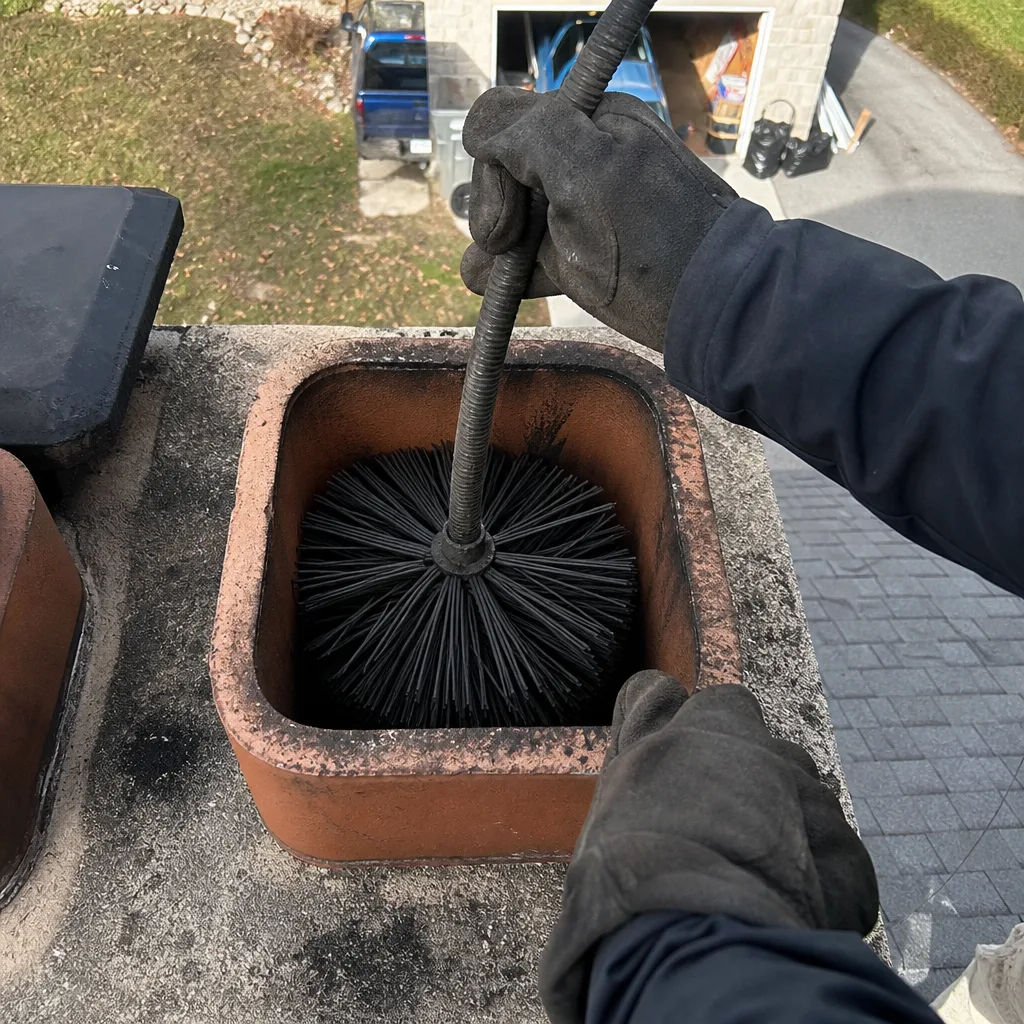
Annual sweeping is the floor, not the ceiling, of chimney maintenance in this climate. Haverhill’s location in the Merrimack Valley exposes masonry to temperature swings of 40 degrees or more within 48 hours during late winter, and summer humidity peaks in July and August that accelerate metal component corrosion. These are the checks that fall between professional visits.
Early Fall (September-October): Pre-Burning Inspection
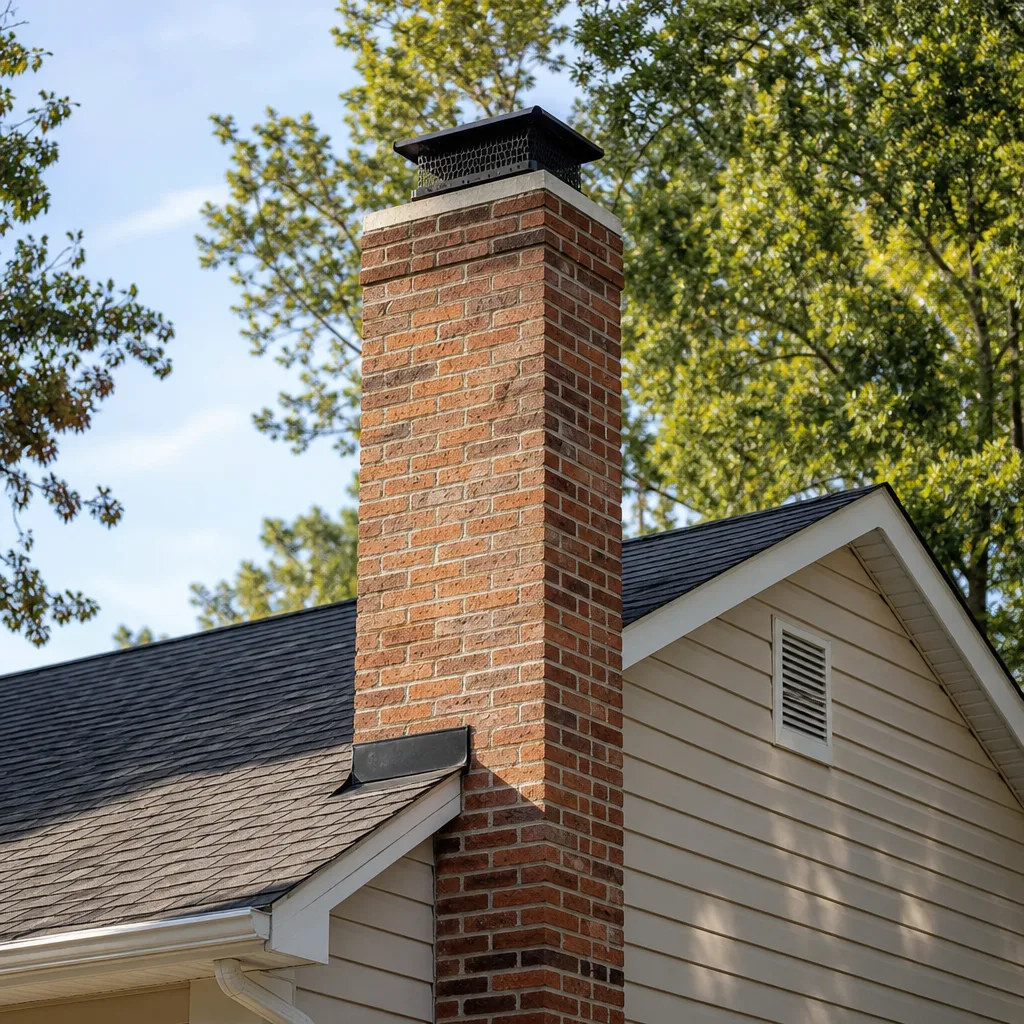
- Examine the chimney cap for rust streaks on the metal or white efflorescence on masonry. Haverhill’s summer humidity, particularly in low-lying areas near the Merrimack River, corrodes galvanized caps faster than inland Massachusetts locations. Gelco stainless caps with proper spark arrestor mesh outlast standard galvanized by 8-12 years in this environment.
- Check the crown sealant by pouring a cup of water on the crown surface. It should bead; if it absorbs, the sealant has degraded and water will enter before winter.
- Operate the damper ten times. Stiffness after a season of disuse indicates corrosion or debris accumulation that may prevent full closure.
- Inspect the firebox for new cracks in refractory panels, particularly at the rear wall where thermal cycling concentrates stress.
Mid-Winter (January-February): Active Burning Checks
- After a week of regular use, check the smoke chamber above the damper with a flashlight for glaze accumulation. Early Stage 2 creosote appears as hard, dark ridges. Catching this mid-season allows you to adjust burning practices (dryer wood, hotter fires) before it progresses to Stage 3.
- Monitor exterior masonry for ice damming at the roof-chimney intersection. Haverhill’s freeze-thaw cycle is most destructive when daytime melting refreezes at night; ice accumulation here indicates flashing failure that will channel water into the structure.
- Note any odor changes: a sharp, acrid smell when the fireplace isn’t in use often indicates negative pressure pulling downdrafts through a dirty flue, or moisture activating creosote acids.
Late Spring (April-May): Post-Season Assessment
- Photograph the firebox, damper, and exterior crown from the same angles as your pre-appointment documentation. Compare. Any change in crack patterns, mortar condition, or rust distribution is data for next year’s sweep.
- Check the cleanout door (if your system has one) for debris accumulation. A season’s worth of fallen mortar or flue tile fragments indicates liner degradation that may not be visible from above.
- Schedule any recommended repairs now, before the fall booking rush. In Haverhill, reputable sweeps’ September-November calendars typically fill by August 15.
Red Flags That Trigger an Immediate Follow-Up Call
Some findings can wait until next season. Others should prompt a call within 24 hours. Know the difference.
Call immediately if:
- The sweep reports a perforated or separated flue liner and did not document it with camera footage you viewed. Liner breaches allow combustion gases, including carbon monoxide, to enter wall cavities. This is not a “monitor” situation.
- You observe new water staining on interior walls or ceilings adjacent to the chimney after a sweep that included crown or flashing work. The repair may have diverted water rather than eliminated it.
- The damper cannot be fully opened or closed after the technician’s departure. Mechanical interference introduced during cleaning is rare but possible, and it creates an immediate fire or smoke hazard.
- You paid for Stage 3 creosote removal but the after-photos show glazed deposits remaining. Chemical treatment or mechanical removal with specialized chains or whips should eliminate visible glazing; residual material indicates incomplete work.
- The technician recommended immediate liner replacement based on “experience” or “a hunch” without camera documentation of the defect. Every liner recommendation should be supported by footage you can see, with the defect location timestamped in the video.
Monitor until next season if:
- Minor crown cracking (under 1/8 inch) without water absorption, with a recommendation to reseal.
- Stage 1 creosote accumulation in a system that was cleaned within 12 months, suggesting burning practice issues rather than system defects.
- Surface rust on metal components without perforation, with a recommendation to treat or replace before next season.
What Chimney Sweep Services Cost in Haverhill
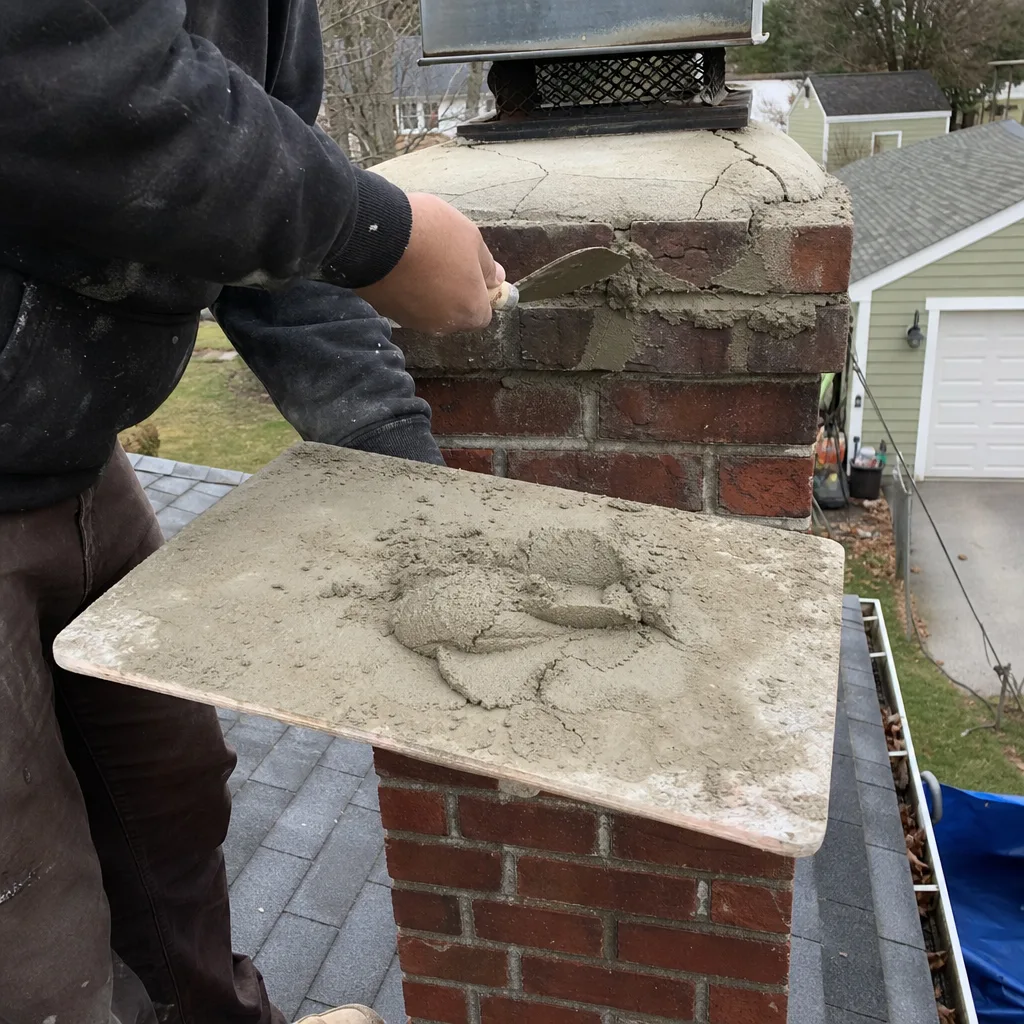
Price transparency is the reason this checklist exists. In Haverhill’s market, chimney service pricing varies primarily by the condition found, not by neighborhood or home value. Here’s what we quote in writing before any work starts, based on 38,000+ completed jobs since 2009.
| Service | Typical Range in Haverhill | What Affects the Price |
|---|---|---|
| NFPA 211 Level 2 inspection with cleaning (Stage 1 creosote) | $289-$359 | Number of flues, roof access difficulty, fireplace insert removal |
| Stage 2 creosote removal (mechanical whipping/chains) | $150-$280 additional | Extent of glazing, flue diameter, liner material compatibility |
| Stage 3 creosote removal (chemical treatment + mechanical) | $380-$650 additional | Chemical dwell time required, repeat application needs, liner condition |
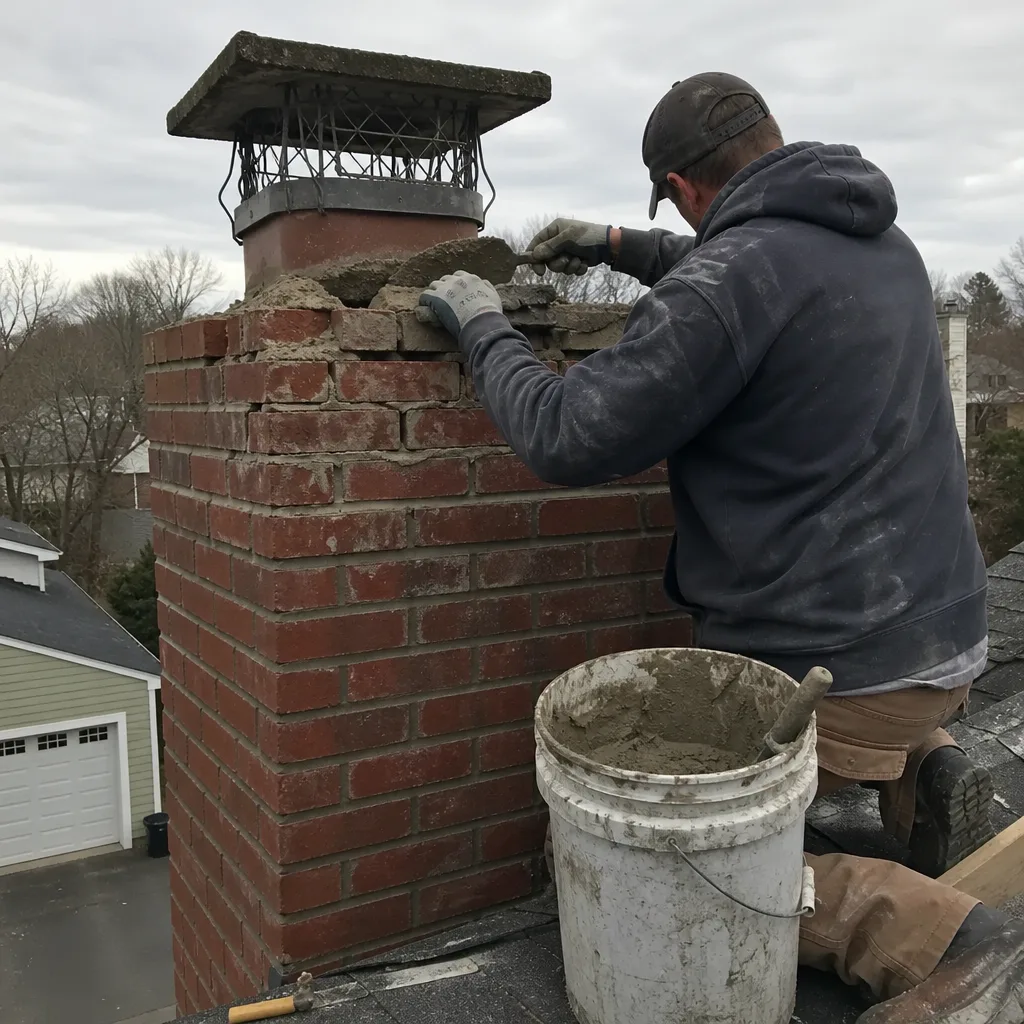
| Crown sealing/resurfacing | $425-$890 | Crown size, crack extent, full rebuild vs. sealant application |
| Stainless steel chimney cap with spark arrestor | $285-$540 installed | Flue count, cap diameter, mesh specification |
| Top-sealing damper installation | $680-$1,150 | Flue size, chain vs. cable operation, existing throat damper condition |
These ranges reflect our procurement through Haven’s buying network with DuraFlex, HeatShield, Gelco, Olympia Chimney, and other manufacturers. The network exists specifically to keep customer prices honest, not to maximize margin. Every quote is delivered in writing before work begins, with no “call for pricing” requirement.
If you receive a competitor’s written estimate, we provide a Free Second Opinion at no charge. Bring the written quote. We’ll review the scope, the recommended materials, and the pricing against what we would specify for the same documented condition.
Common Mistakes to Avoid
- Booking based on price alone. The lowest quote in Haverhill often omits the camera scan, delivers a “flashlight inspection,” or excludes the photo documentation required to verify work quality. A $199 sweep with no documentation is more expensive than a $329 sweep with a written record you can use for insurance, resale, or next year’s comparison.
- Accepting verbal recommendations without written support. “You need a new liner” spoken over a dusty fireplace is not a recommendation. It’s a sales pitch. Every recommendation should appear in the written findings with supporting photo or video evidence.
- Ignoring the smoke chamber. Many sweeps clean the flue and inspect the firebox but treat the smoke chamber as inaccessible. In Haverhill’s pre-1950s housing, particularly in the Bradford historic district, smoke chambers were often built with corbeled brick that accumulates creosote in angles the main flue brush misses. Insist on smoke chamber access and documentation.
- Skipping the post-service test burn. After any sweep or repair, burn a small, hot fire and observe draft performance, odor, and exterior smoke release. Issues are easier to address while the technician is still accountable than three weeks into burning season.
- Assuming annual sweeping eliminates all maintenance. Sweeping removes combustible deposits. It does not seal crowns, repair flashing, or prevent freeze-thaw damage. The checklist items in our seasonal section exist because they catch what sweeping doesn’t address.
- Using unseasoned or “just split” wood. Wood burned in Haverhill should have been split and stacked for 18-24 months. Burning at moisture content above 25% doubles creosote accumulation rate and can progress a system from Stage 1 to Stage 3 within a single season.
- Failing to document your own baseline. The photographs and notes you take before the appointment are your only independent verification that conditions changed, or didn’t change, after service. Without them, you’re relying entirely on the company’s documentation of its own work.
When to Call a Professional
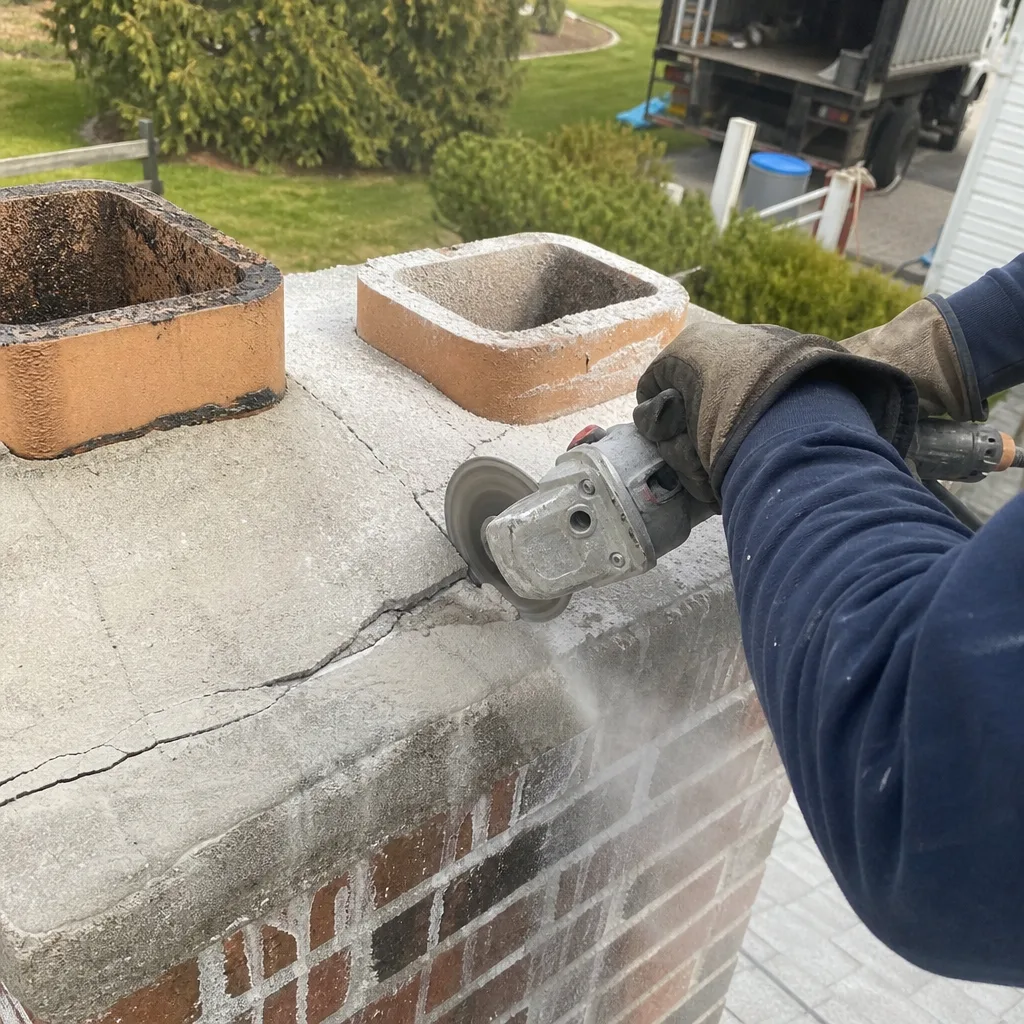
Some conditions require immediate professional assessment regardless of your scheduled sweep date. Call if you experience smoke rollout into the room when opening the fireplace door, persistent chimney odors during non-use periods, visible exterior masonry displacement or leaning, or water entry during rain that you cannot trace to a known defect. These symptoms indicate active hazards: backdrafting from blockage or pressure imbalance, moisture activating acidic creosote compounds, structural failure, or flashing/crown failure allowing uncontrolled water entry.
For documented, camera-verified assessment in Haverhill, Chimney Cleaning & Sweep in Haverhill from Level Two Chimney Haverhill includes NFPA 211 Level 2 inspection, written findings, and photo documentation on every visit. We offer free estimates throughout Haverhill - call (351) 444-9705 to schedule. Live phone support is available 24 hours a day, 7 days a week, and you’ll receive a written price before any work begins, backed by our 365-Day Done Right Promise.
Frequently Asked Questions
A complete NFPA 211 Level 2 chimney inspection with cleaning in Haverhill typically costs $289-$359 for standard Stage 1 creosote. Heavy glazing or Stage 3 deposits add $380-$650 for chemical and mechanical removal. Every job is quoted in writing before work starts, with no call-for-pricing requirement. Call (351) 444-9705 for an exact quote - estimates are free.
You need a new flue liner only if the existing liner is perforated, separated at joints, or incompatible with your appliance type, and only if these conditions are documented with camera footage you can view. In Haverhill’s clay tile-lined chimneys built before 1980, we often find minor mortar loss that can be addressed with HeatShield resurfacing rather than full liner replacement. No liner should be condemned without video evidence. If you’ve received a replacement recommendation without footage, bring us the written estimate for a Free Second Opinion.
NFPA 211 recommends annual inspection for all chimney systems, with cleaning frequency determined by creosote accumulation rather than calendar alone. In Haverhill, where many homeowners burn 2-4 cords of hardwood annually through heating season, annual sweeping is typically necessary. Systems with gas inserts may extend to biennial cleaning if inspection confirms minimal debris, but the inspection itself should still occur annually to check for liner deterioration, moisture entry, and animal intrusion.
Skipped maintenance leads to three predictable outcomes: creosote accumulation increases chimney fire risk, with Haverhill Fire Department responding to multiple chimney fires annually during peak burning season; moisture infiltration through degraded crowns or flashing causes structural masonry damage that accelerates dramatically through freeze-thaw cycles; and undetected liner breaches allow carbon monoxide migration into living spaces. These are not hypothetical risks. They are documented consequences of deferred maintenance in Haverhill’s climate and housing stock.
A Level 1 inspection is visual, accessible-surface examination without specialized equipment, appropriate for chimneys with unchanged conditions and continued use of the same appliance. A Level 2 inspection, required at property sale, after chimney fire, or upon appliance change, includes camera scan of the flue interior, accessible portions of the attic and basement, and written documentation of findings. In our practice, every Level Two Chimney Haverhill customer receives Level 2 documentation regardless of trigger event, because surface examination misses the defects that cause fires and CO exposure.
Mechanical brushing of a straight, short flue from the top down is physically possible for some homeowners, but it is not advisable. Proper chimney maintenance requires assessment of liner condition, crown integrity, and combustion performance that cannot be evaluated from a brush handle. More critically, Haverhill’s older housing stock often contains Class A or Class B chimneys with deteriorated mortar, unstable access, or incompatible liner materials that create genuine hazards for untrained individuals. We recommend professional service for all chimney work, with camera documentation to verify system safety.
The Bottom Line
A chimney sweep is a transaction, not a trust exercise. The checklist that protects you is the one you can verify with your own eyes and your own records. Before the appointment, photograph your firebox, damper, and crown. During service, confirm camera equipment, written scope, and proper containment. Afterward, hold four documents: written findings, before/after photos, price reconciliation, and warranty terms. In Haverhill’s freeze-thaw climate, seasonal checks between sweeps catch crown and cap degradation before it becomes structural failure. And when a recommendation surprises you, demand the footage that supports it. Documentation is the inspection standard we work to, and it’s the standard you should hold every sweep accountable to. Explore more guides & resources to protect your home.
Written by Corrine Halstead, Owner at Level Two Chimney Haverhill, serving Haverhill since 2009.