
Last updated September 22, 2026
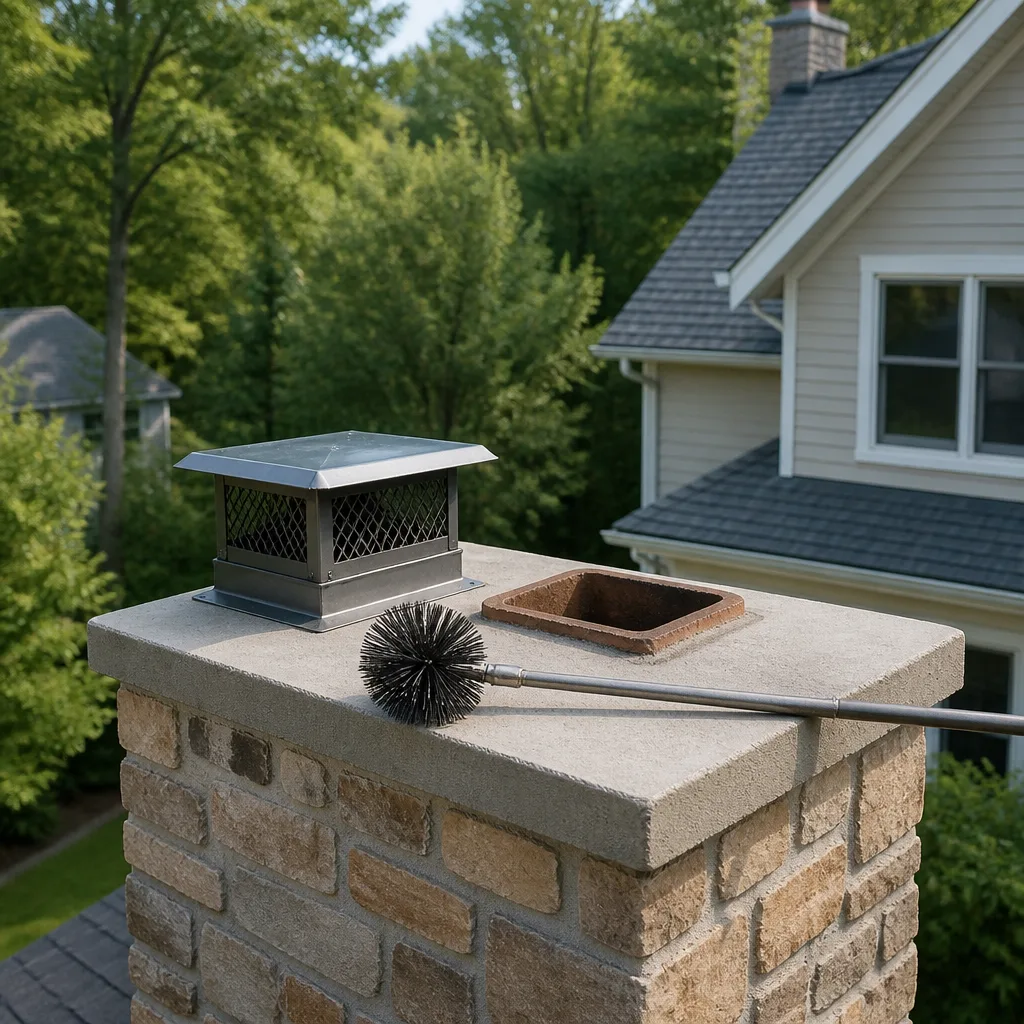
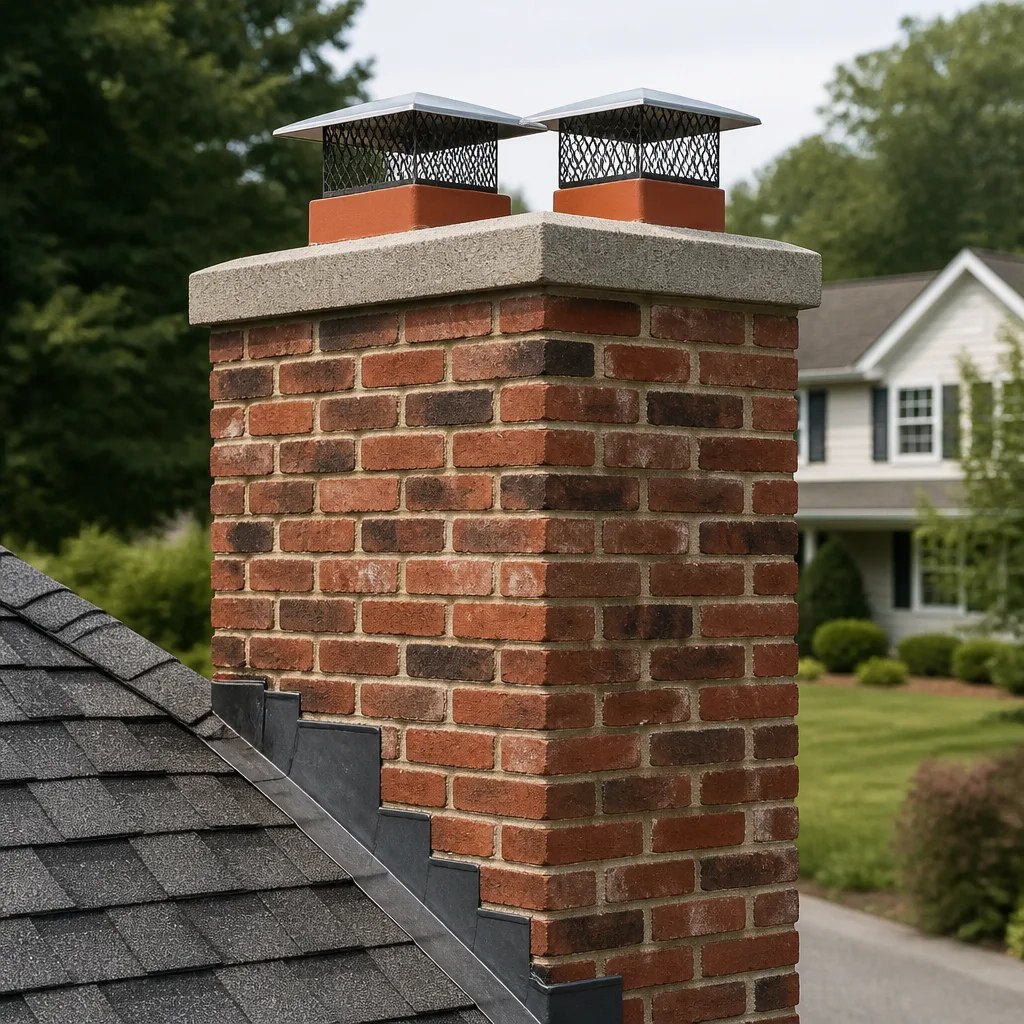
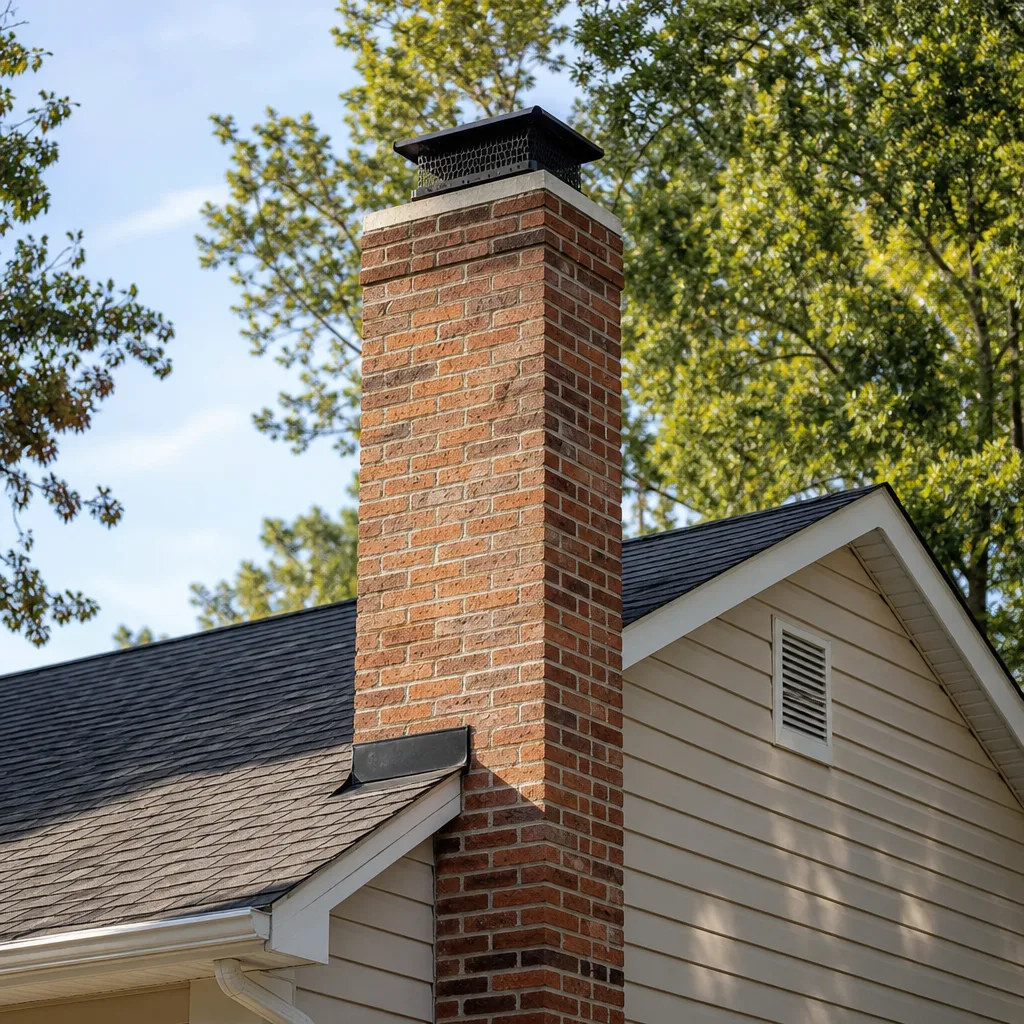
Level 1 sweep and inspection to the NFPA 211 annual standard - flue, crown, cap, and flashing checked and photographed
Chimney sweep logs do not sweep chimneys. They loosen some creosote - which then falls where a brush and vacuum still have to collect it.
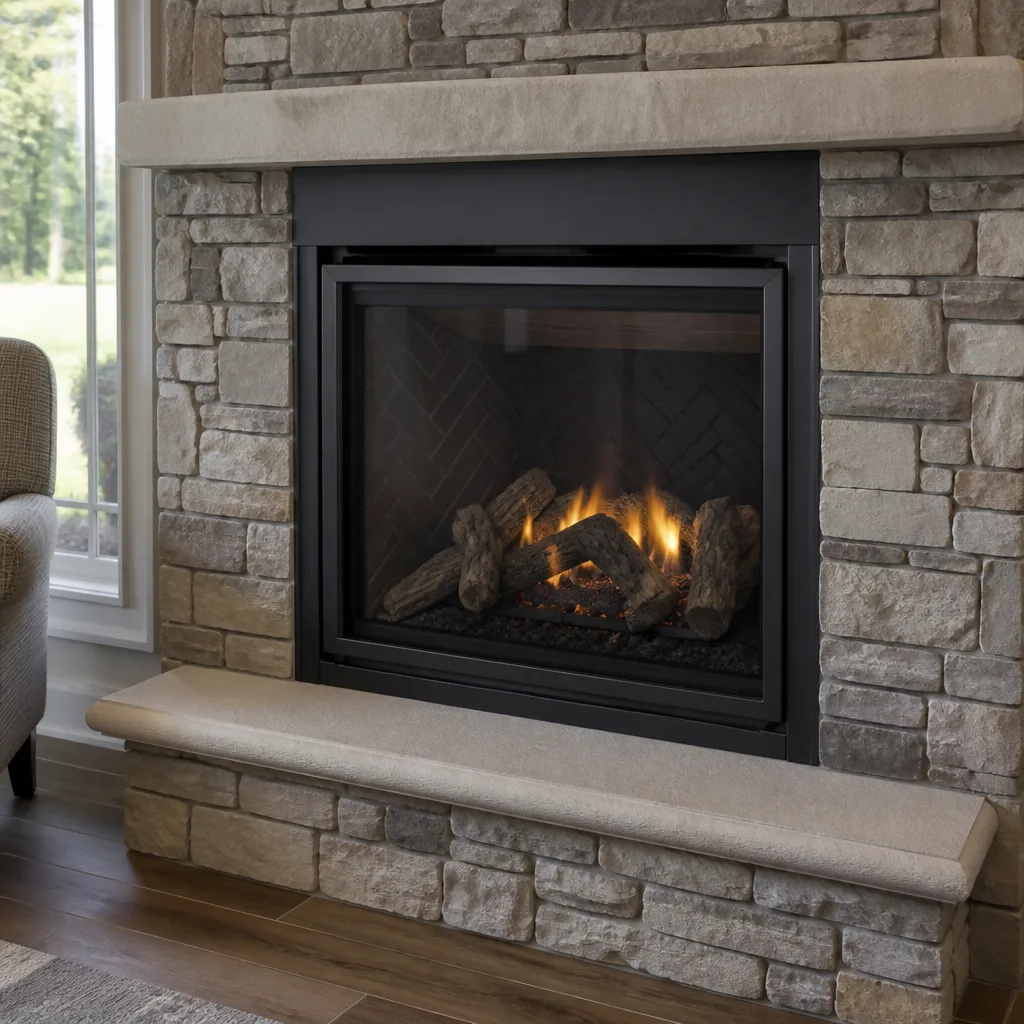
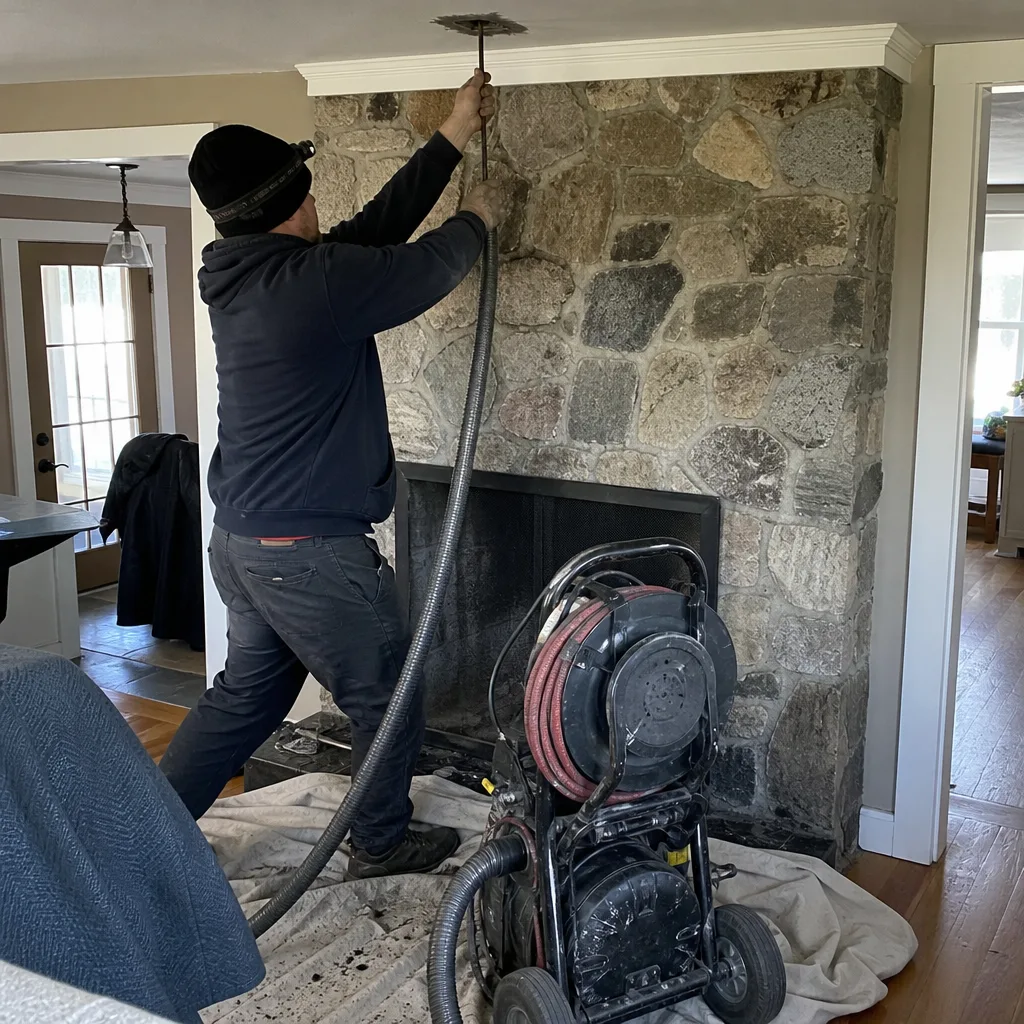 Before
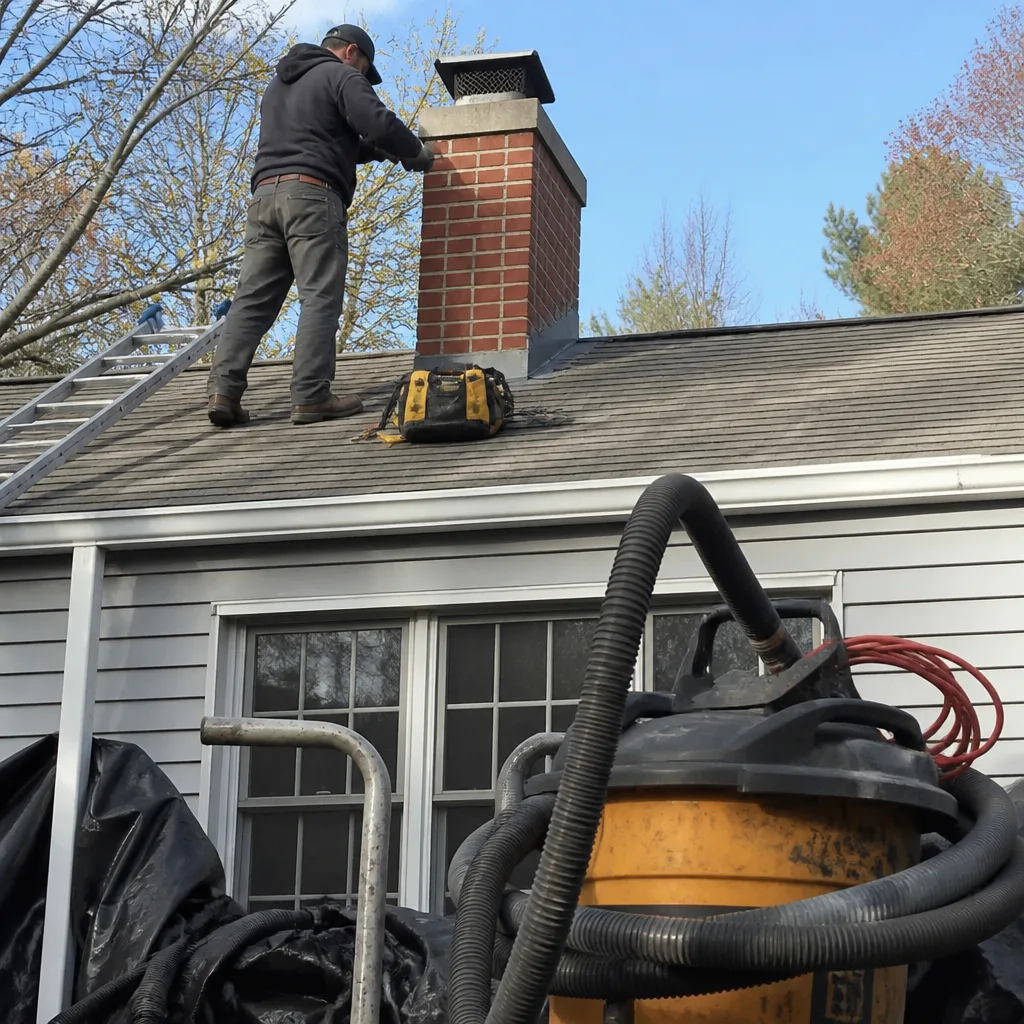 After
After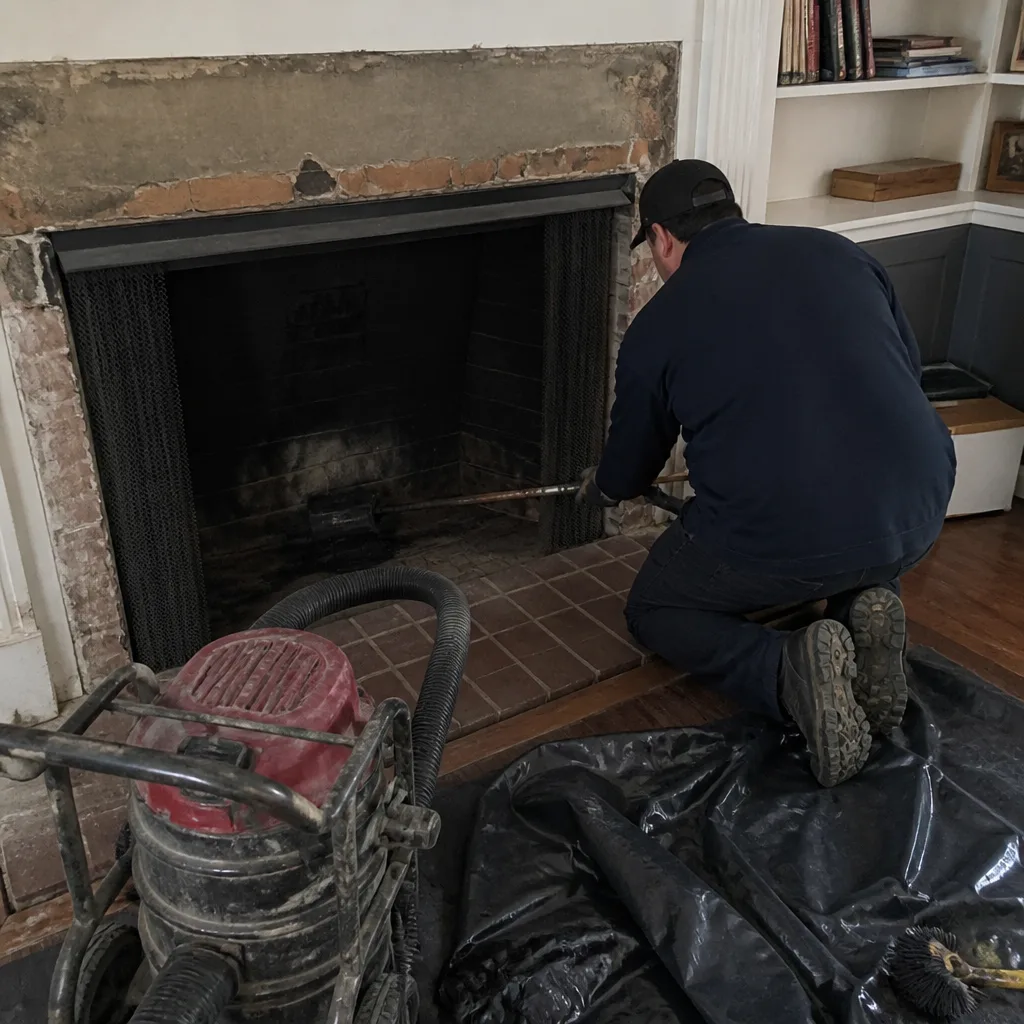 Before
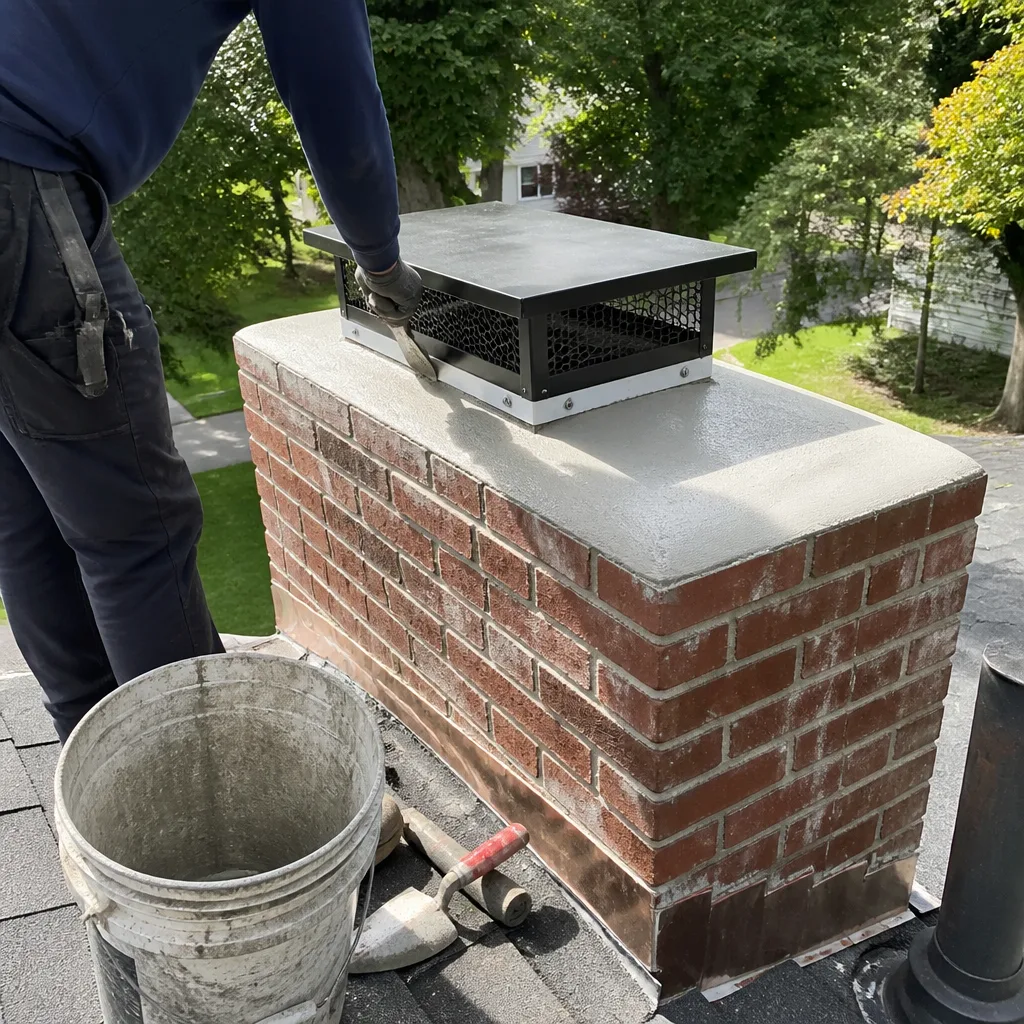 After
After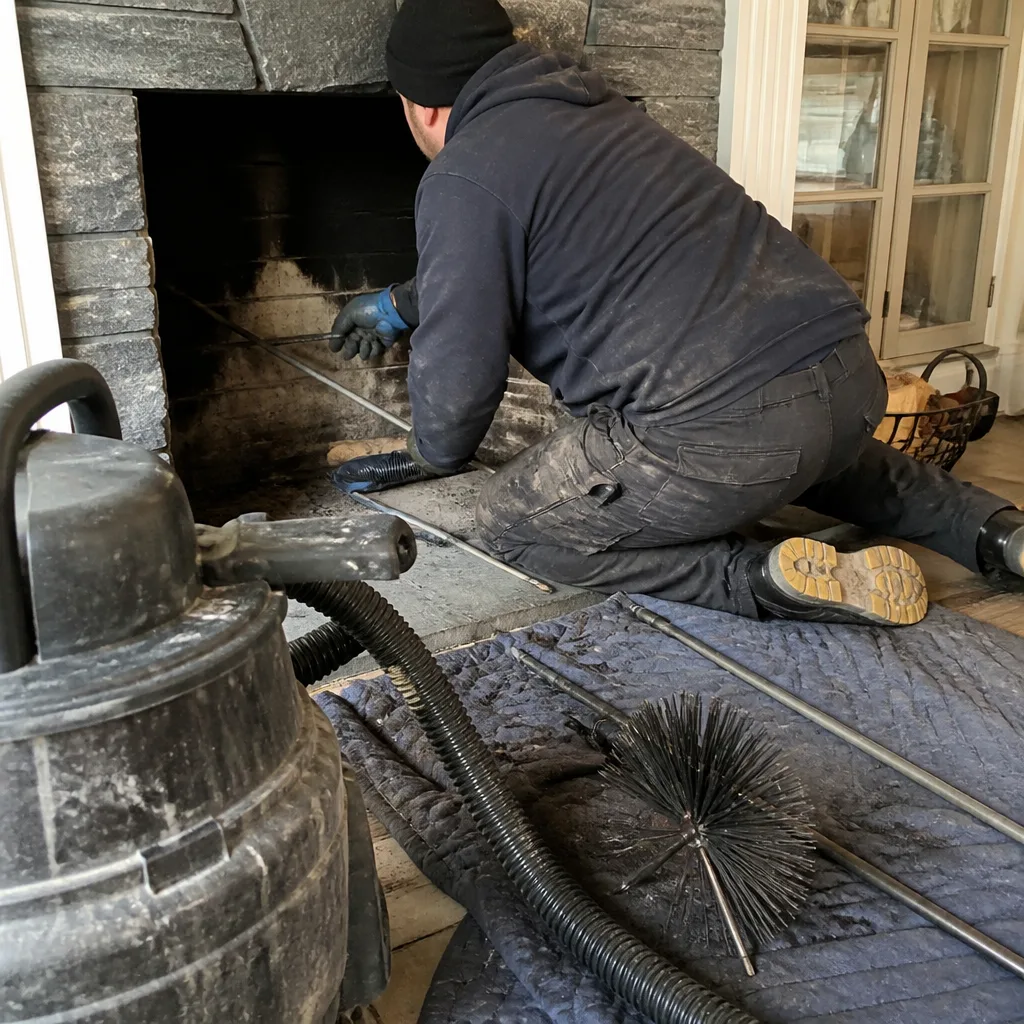 Before
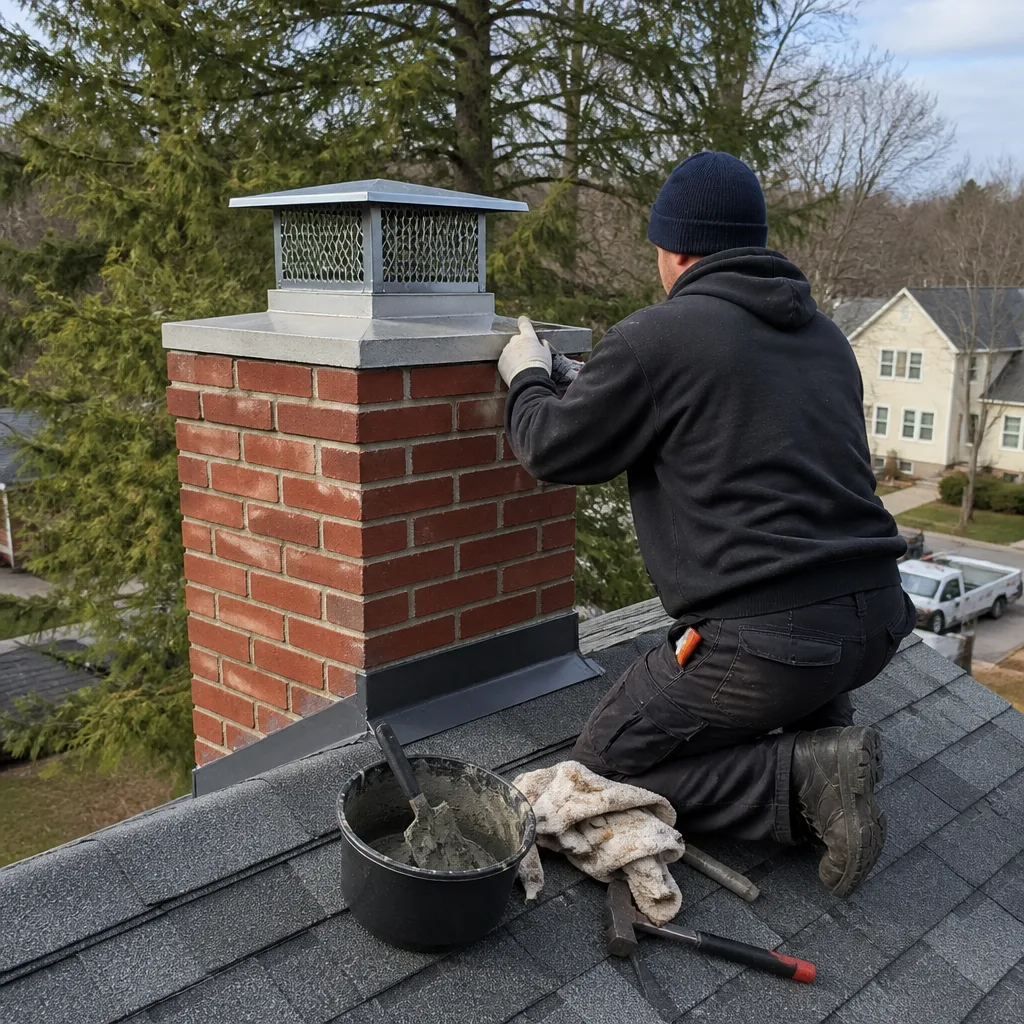 After
AfterDIY vs Professional Chimney Cleaning: The Haverhill Homeowner’s Decision Guide
You can buy the same brush kit a sweep uses. You cannot buy the ability to read what the camera shows at the smoke chamber transition. In Haverhill, where roughly 60% of our housing stock predates 1970 and many chimneys have survived multiple heating eras, the question isn’t whether you can push a brush up a flue. It’s whether doing so gives you documented safety or documented risk. This guide draws that line without selling either side. We’ll cover what DIY cleaning actually accomplishes, what it costs when done right, the four conditions that make it inappropriate regardless of skill, and what a professional camera scan documents that no brush can reach.
Quick Answer
DIY chimney cleaning in Haverhill removes Stage 1 (sooty) creosote from accessible flue sections and is genuine maintenance when done with proper equipment and disposal. It does not inspect liner condition, detect hidden fire damage, or document safety for insurance or real estate purposes. Professional cleaning includes an NFPA 211 Level 2 camera inspection that finds what brushes miss: cracked liners, offset joints, animal debris behind the smoke shelf, and deteriorated mortar at the smoke chamber transition. For Haverhill’s pre-1970 masonry chimneys, the probability of a hidden condition is high enough that most homeowners choose professional service for annual maintenance.
Table of Contents
- What DIY Chimney Cleaning Actually Accomplishes
- The Real Cost of DIY: Equipment, Safety Gear, and Disposal
- Four Conditions That Make DIY Cleaning Inappropriate
- What a Professional Camera Scan Documents That DIY Cannot
- How Haverhill’s Housing Age Shifts the Risk Calculation
- Insurance, Real Estate, and Documentation Requirements
- Common Mistakes to Avoid
- When to Call a Professional
- Frequently Asked Questions
- The Bottom Line
 Before
 After
AfterWhat DIY Chimney Cleaning Actually Accomplishes
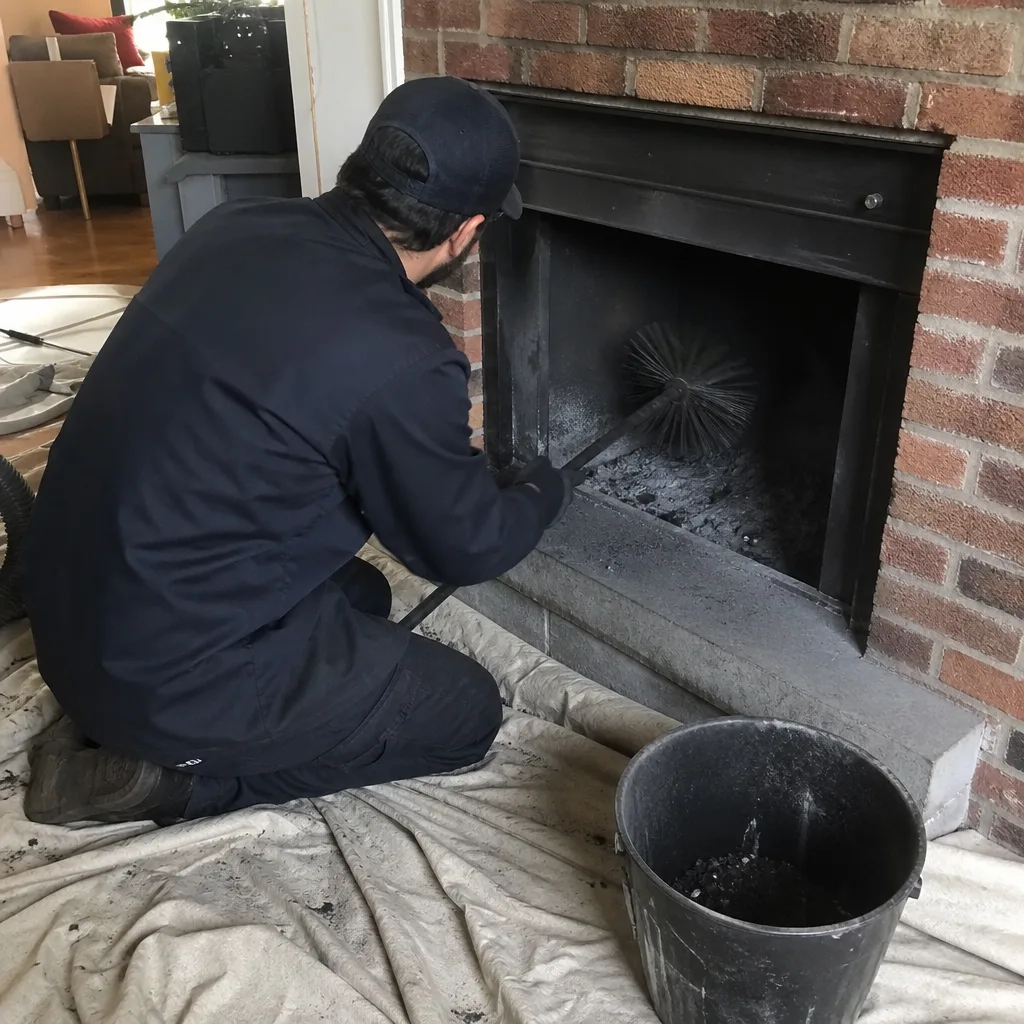
Let’s start with what DIY gets right. A homeowner with a quality brush kit, extension rods, and proper personal protective equipment can remove Stage 1 creosote from the flue sections they can physically reach. Stage 1 creosote is the soft, sooty deposit that forms during normal wood burning with adequate combustion air. It brushes off readily. This is real maintenance, not theater. If your chimney has a straight flue, no liner damage, and burns only seasoned hardwood at hot temperatures, annual DIY brushing can keep the flue clear and functional.
Here’s what the process involves when done correctly:
- Inspect the firebox and damper from below for visible cracks, missing mortar, or obstructions. This is limited visual inspection only.
- Seal the fireplace opening with plastic sheeting and tape to contain soot during brushing.
- Access the flue from top or bottom depending on roof accessibility and comfort with heights. Roof work on Haverhill’s colonial and cape-style homes often means steep pitches; falls from roof edges are a genuine hazard.
- Attach brush to rods and pass through the flue with a scrubbing motion, adding rods until the brush exits the top.
- Vacuum fallen debris from the smoke shelf and firebox using a HEPA-rated vacuum, not a household unit.
- Dispose of creosote debris according to Massachusetts DEP solid waste regulations. Creosote is classified as a hazardous waste in quantity; residential disposal has specific requirements.
The limitation is structural, not skill-based. A brush contacts the flue surface it touches. It does not inspect the surface it touches for cracks, spalling, or deterioration. It does not reach behind the smoke shelf where debris accumulates. It does not evaluate the smoke chamber transition where most chimney fires begin. And it cannot distinguish between Stage 1 creosote that brushes away and Stage 2 or 3 creosote that has glazed or hardened into a fuel source.
In our experience across 38,000+ inspections since 2009, the chimneys that appear “fine” from below often show the most significant conditions at the smoke chamber or liner level. A brush pass gives no information about these areas.
The Real Cost of DIY: Equipment, Safety Gear, and Disposal
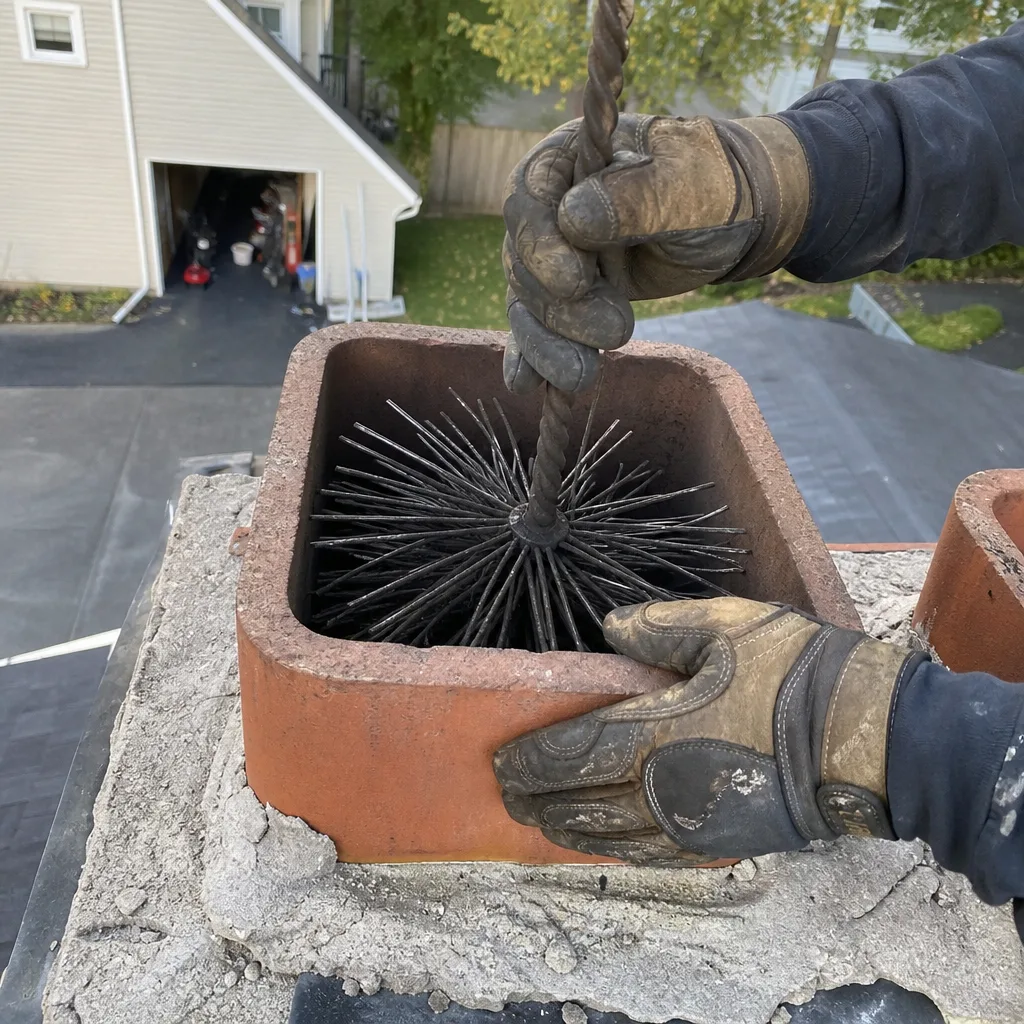
The headline cost of DIY chimney cleaning, the $30 brush kit from a hardware store, is not the actual cost of doing it safely and legally. Here’s a realistic breakdown for a Haverhill homeowner who intends to perform annual maintenance:
| Item | Purpose | Estimated Cost |
|---|---|---|
| Quality poly brush + fiberglass rods (proper diameter for flue) | Mechanical cleaning of flue surface | $75-$150 |
| HEPA-rated vacuum or specialized ash vacuum | Safe debris collection without dispersing fine particulate | $150-$300 |
| N95 or P100 respirator, not dust mask | Respiratory protection from crystalline silica and creosote particulate | $25-$50 |
| Protective coveralls, gloves, eye protection | Skin and eye protection from irritants | $40-$75 |
| Plastic sheeting, tape, drop cloths | Containment of work area | $20-$40 |
| Ladder or roof access equipment (if applicable) | Safe top-down cleaning access | $150-$400 or owned |
| Creosote disposal (Massachusetts DEP compliance) | Legal disposal of hazardous waste quantities | $25-$75 per cleaning |
First-year realistic total: $485-$1,090. Subsequent years: $25-$150 for brush replacement, vacuum filters, and disposal.
Compare this to professional Chimney Cleaning & Sweep in Haverhill, which includes the NFPA 211 Level 2 camera inspection, documented photo record, and proper disposal under Haven Standard Clause 4. The price difference narrows significantly when DIY is done with proper equipment rather than improvised tools.
There’s also the cost of what DIY doesn’t catch. A cracked flue liner left unaddressed allows heat transfer to combustible framing, which in Haverhill’s older homes often means balloon framing or lath-and-plaster assemblies with minimal clearance. The National Fire Protection Association attributes 22% of home heating fires to solid fuel appliances, and chimney fires peak in January and February when accumulated creosote ignites. A brush that misses liner damage doesn’t prevent this; it merely provides false confidence.
Four Conditions That Make DIY Cleaning Inappropriate
Regardless of skill level or equipment quality, DIY chimney cleaning is not appropriate when any of these four conditions exist. We’ve encountered each repeatedly in Haverhill homes, particularly in neighborhoods like Mount Washington, Riverside, and the Bradford Historic District where heating systems have been modified across decades.
1. Stage 2 or Stage 3 Creosote Present
Stage 2 creosote has hardened into shiny, black flakes that resist brushing. Stage 3 is a glazed, tar-like deposit that requires chemical treatment or mechanical removal with specialized equipment. Attempting to brush Stage 3 creosote with standard tools is ineffective and can damage the flue liner. The only way to identify creosote stage is visual inspection of the full flue length, which requires a camera.
2. Unknown Liner Condition
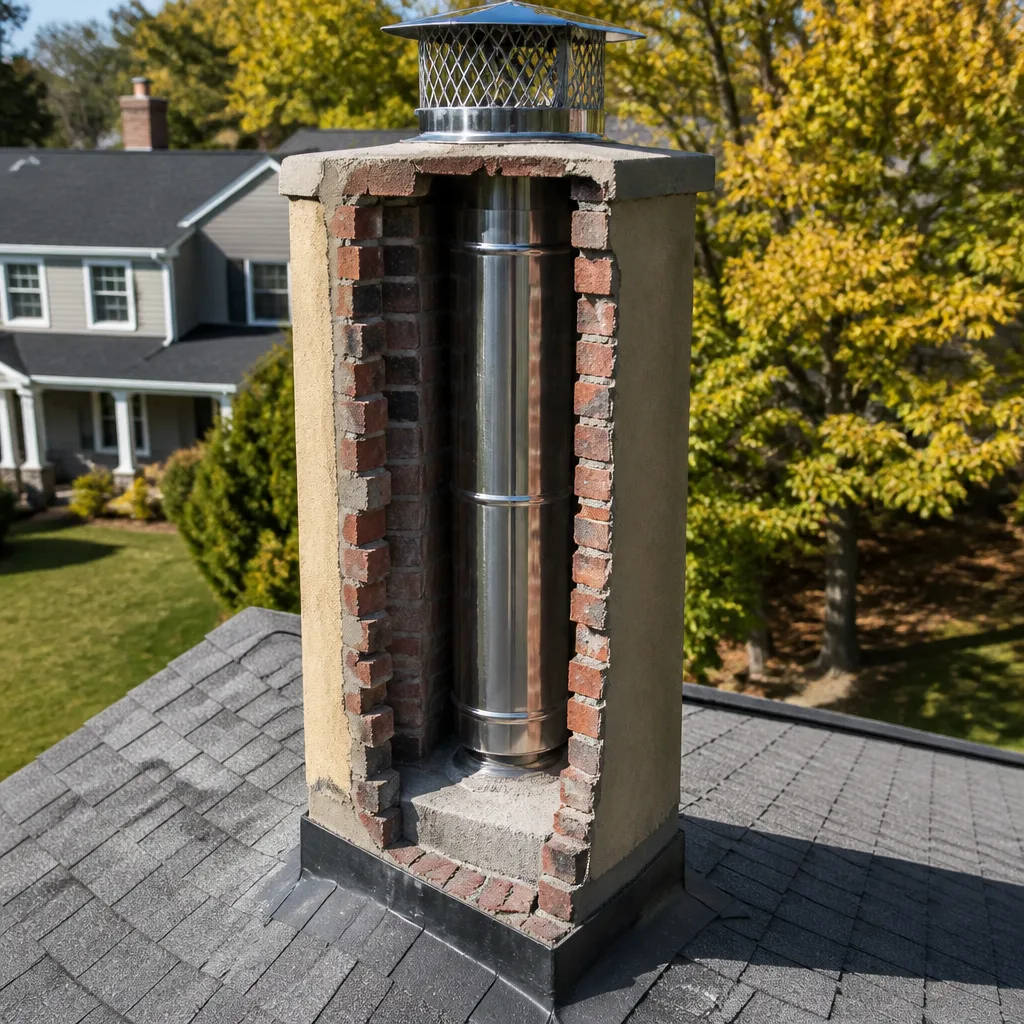
Clay tile liners in pre-1970 chimneys crack from thermal shock, freeze-thaw cycles, or settling. Stainless steel liners corrode or separate at joints. If you don’t know the liner material, age, and condition, brushing can dislodge fractured tiles or worsen existing damage. In Haverhill, we’ve found unlined chimneys still in service in homes built before 1940, where a brush pass directly contacts deteriorated mortar.
3. Post-Storm or Post-Fire Cleaning
After a chimney fire, the flue liner has experienced temperatures exceeding 2,000°F. Thermal shock creates hairline cracks invisible from below. After severe weather, water infiltration may have damaged the liner or smoke chamber. Cleaning without inspection risks missing structural damage that creates immediate fire or carbon monoxide hazards. We documented this in a Bradford home after the 2022 winter storm cycle, where freeze-thaw damage to a clay liner was only visible on camera.
4. Oil or Gas Appliance Flues
Flues serving oil furnaces or gas appliances carry different combustion byproducts than wood. Oil flues accumulate sulfuric acid residue that corrodes liners. Gas flues produce water vapor that condenses in cool flues, causing acidic moisture damage. These conditions require specific inspection protocols and cleaning agents. DIY brushing of an oil or gas flue without understanding the appliance’s draft characteristics and flue temperature can worsen venting problems or miss deterioration that leads to carbon monoxide leakage.
What a Professional Camera Scan Documents That DIY Cannot
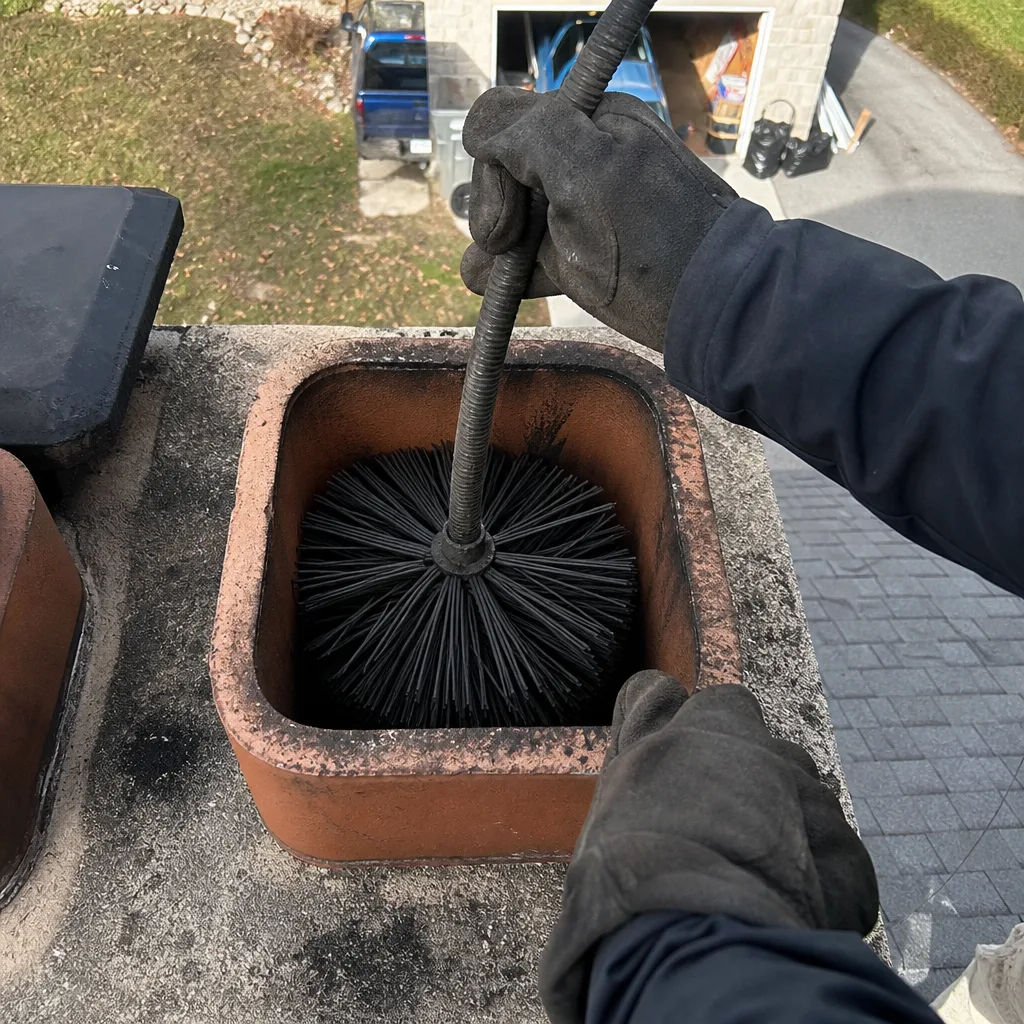
The Level Two Chimney Haverhill home standard is named for the NFPA 211 Level 2 inspection, which requires a camera scan of the full flue length. This isn’t marketing language. It’s a documented protocol that produces evidence you can hold in your hand. Here’s what the camera finds that no brush can reveal:
- Liner cracks and fractures: Hairline cracks in clay tile, corrosion holes in stainless steel, or separation at liner joints. These allow heat and combustion gases to escape the flue channel.
- Offset joints and misaligned tiles: Where liner sections have shifted, creating gaps that collect creosote and restrict draft. Common in Haverhill’s older homes where settling has occurred.
- Animal debris and nesting material behind the smoke shelf: The smoke shelf is a horizontal ledge above the damper that catches rain and debris. It’s inaccessible to brushing from below and often contains years of accumulated material that restricts airflow.
- Deteriorated mortar at the smoke chamber transition: The smoke chamber is the area above the damper that funnels smoke into the flue. Building codes now require parging (smoothing) this surface, but older Haverhill chimneys often have corbelled brick with exposed mortar joints that erode and create turbulence.
- Spalling and flaking flue surface: Freeze-thaw damage causes the flue surface to deteriorate, increasing creosote adhesion and reducing draft efficiency.
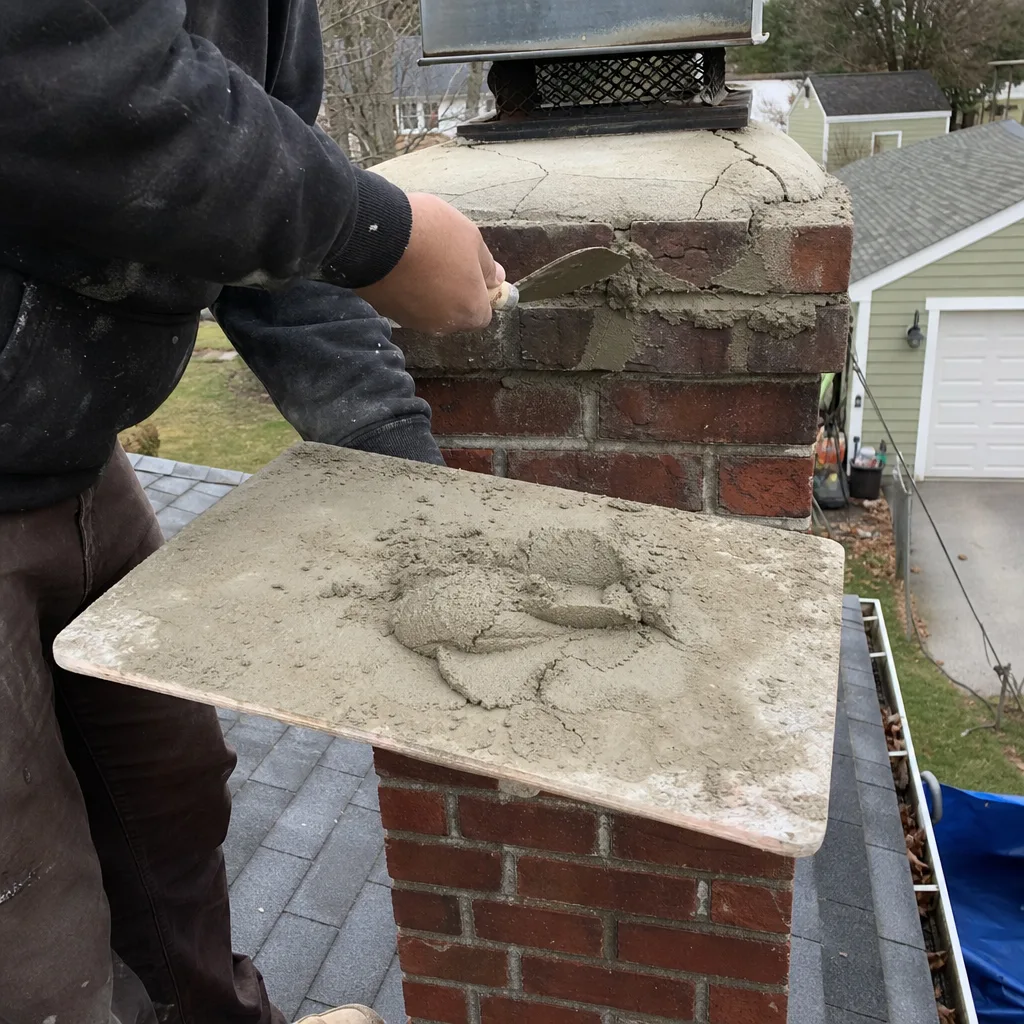
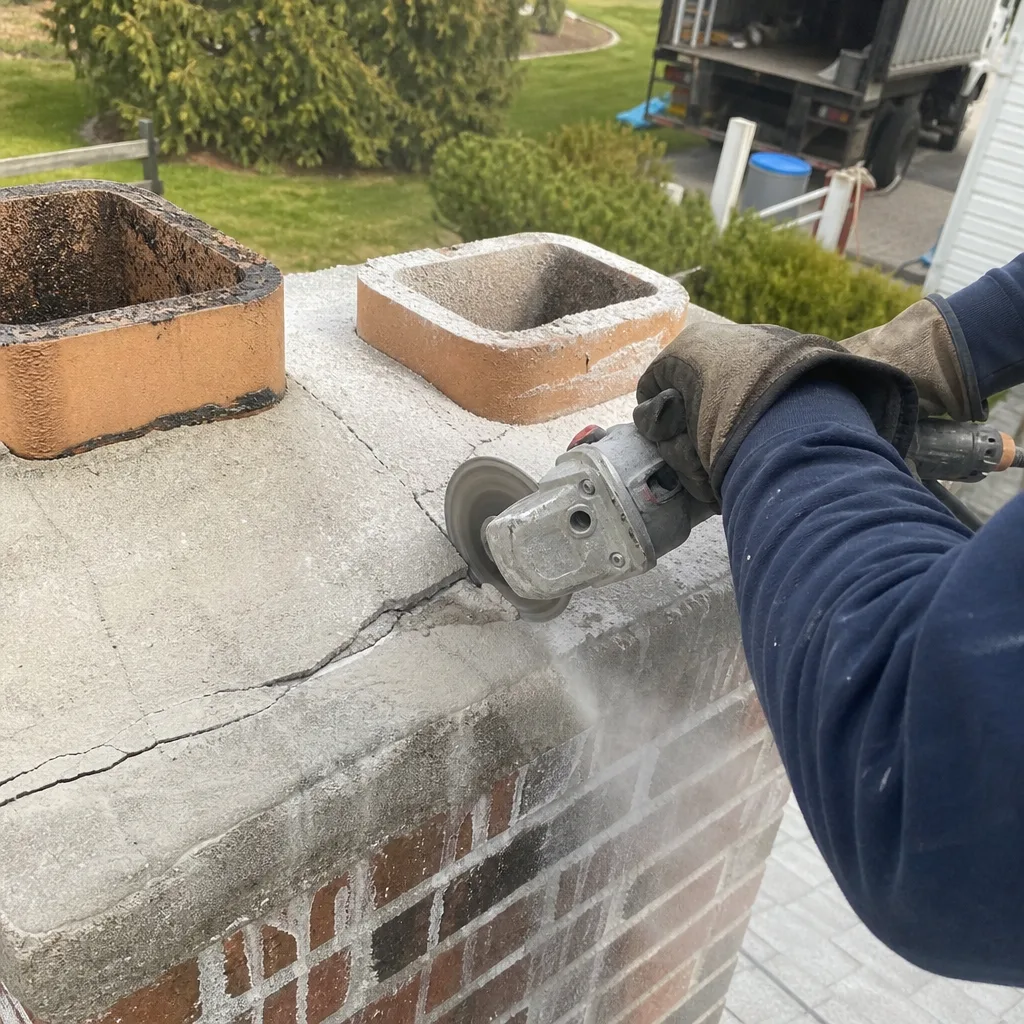
- Water intrusion points: Staining, efflorescence (white mineral deposits), or active moisture that indicates crown, cap, or flashing failure.
Under Haven Standard Clause 4, every Level Two Chimney visit includes this documented photo record as standard, not an optional add-on. The practice began in 2009, before regulators or insurers required it, because the documentation serves the homeowner’s interest: dated, labeled photos of your flue condition that you can reference year over year, provide to insurers, or include in real estate disclosures.
The camera also provides information gain that changes decisions. A homeowner planning to install a new wood stove may discover their flue is unlined, requiring a Chimney Repair in Haverhill with a stainless steel liner from DuraFlex or Olympia Chimney before installation is code-compliant. Without the camera scan, this discovery happens after the stove is purchased, or worse, after it’s installed in an unsafe configuration.
How Haverhill’s Housing Age Shifts the Risk Calculation
Haverhill’s housing market has a distinctive age distribution that directly affects chimney risk. According to U.S. Census data, approximately 58% of Haverhill’s housing units were built before 1970, with significant construction in the 1880s-1920s mill worker housing era and the post-war 1950s expansion. This matters for chimney condition in specific, measurable ways.
Pre-1940 masonry chimneys in Haverhill were often built without clay tile liners, using only parged mortar or bare brick. These unlined flues deteriorate faster, absorb creosote into porous brick, and transfer more heat to surrounding framing. We’ve found unlined chimneys still in active service in the Mount Washington and Ayers Village neighborhoods, where homeowners assumed a clay liner was present because the chimney “looked normal” from below.
Homes built between 1940 and 1970 typically have clay tile liners, but these were installed with lesser quality mortar and have experienced 50-80 years of thermal cycling. Freeze-thaw damage is accelerated in Haverhill’s climate, where winter temperatures regularly drop below 20°F and chimneys on north-facing exposures stay cold enough for condensation to freeze in the flue. The winter of 2022-2023 produced multiple freeze-thaw cycles that damaged liners we inspected in spring 2023.
Post-1970 homes are more likely to have factory-built metal chimneys or properly lined masonry, but many have been modified with wood stove inserts or gas log conversions that changed draft characteristics without updating the liner sizing. A 1980s cape in Riverside with a properly sized liner for an open fireplace may be dangerously oversized for a modern gas insert, causing condensation and liner corrosion.
This age distribution means the probability of a hidden condition, a liner problem, or a modification that affects safety is substantially higher in Haverhill than in markets with newer housing stock. DIY brushing doesn’t account for this probability; it assumes the flue is standard, intact, and appropriate for the current appliance. In our experience, that assumption is wrong often enough to matter.
Insurance, Real Estate, and Documentation Requirements
There’s a practical dimension beyond immediate safety: documentation. Insurance companies increasingly require proof of annual chimney maintenance for wood-burning appliances, particularly after chimney fire claims. A DIY cleaning produces no documentation. There’s no dated photo, no inspection report, no third-party verification that the work occurred or that the flue was found sound.
In real estate transactions, a Level 2 inspection with photo documentation is becoming standard in Massachusetts purchase agreements. Sellers who can produce a dated report with camera images of flue condition reduce liability and speed closing. Buyers who discover an undocumented chimney may demand inspection credits or walk away. We’ve provided documentation for Haverhill home sales in the Bradford, Highlands, and Downtown neighborhoods where the chimney condition was a negotiated point.
The Haven Standard requires written price before work starts, written scope of work, and written warranty on completion. This documentation chain, Clause 1 of the H.A.V.E.N. framework, creates a paper trail that DIY cannot replicate. For homeowners who may sell in the next five years, or who carry homeowner’s insurance with wood-burning rider requirements, professional service with documentation is not a luxury. It’s compliance.
For Fireplace Services in Haverhill that include insert installation or gas conversion, documentation is mandatory for permit approval. Haverhill Building Department requires NFPA 211 inspection for solid fuel appliance installations, and the inspection must be performed by a qualified professional, not the homeowner.
Common Mistakes to Avoid
- Using a brush that’s the wrong diameter for the flue. An undersized brush doesn’t contact the flue surface and leaves creosote intact. An oversized brush can lodge in the flue or damage clay tiles. Measure the flue before purchasing; Haverhill’s older chimneys often have non-standard dimensions.
- Cleaning from below only without roof access. Debris falls onto the smoke shelf and remains in the chimney, restricting draft and creating a fire hazard. Complete cleaning requires accessing and removing this material.
- Using household vacuums for creosote debris. Standard vacuums disperse fine particulate through the exhaust and can ignite hot embers. Only HEPA-rated or specialized ash vacuums are appropriate.
- Ignoring Massachusetts disposal requirements. Creosote in quantity is hazardous waste. Disposal in household trash violates DEP regulations and creates fire risk in collection vehicles.
- Assuming no liner damage because the chimney “draws fine.” Draft performance and liner integrity are separate properties. A chimney can draft adequately while liner cracks allow heat transfer to framing. We’ve found dangerous liner conditions in chimneys that “worked perfectly” by homeowner report.
- Cleaning after a chimney fire without inspection. Thermal shock damage is invisible from below. Post-fire cleaning without camera inspection risks missing structural failure that creates immediate hazard.
- Applying DIY chemical creosote removers without understanding flue materials. Some chemical treatments react with stainless steel liners or deteriorated mortar. Know your liner material before applying any treatment.
When to Call a Professional
Call a professional when any of the four conditions above apply, when you need documentation for insurance or real estate, when you’ve never had a camera inspection and don’t know your liner condition, or when you’re uncomfortable with roof access or respiratory protection. In Haverhill’s housing market, the baseline probability of a hidden condition is high enough that most homeowners benefit from at least an initial professional assessment to establish their chimney’s actual state.
Level Two Chimney Haverhill offers free estimates in Haverhill. Every estimate includes a written price, written scope, and written warranty before any work begins, under Haven Standard Clause 1. Our camera-scan inspection and documented photo record, standard on every visit since 2009 under Clause 4, gives you dated evidence of your flue condition that you can reference, share with insurers, or include in disclosures. Call (351) 444-9705 to schedule. A live person answers 24 hours a day, 7 days a week.
Frequently Asked Questions
A professional chimney sweep with NFPA 211 Level 2 camera inspection in Haverhill typically ranges from $250-$400 for a standard masonry fireplace flue, depending on accessibility, flue condition, and whether debris removal or minor repairs are needed during the visit. Level Two Chimney Haverhill provides a written price before any work starts, with no charge for the estimate itself. Call (351) 444-9705 for an exact quote based on your specific chimney configuration.
The National Fire Protection Association recommends annual inspection for all chimneys, with cleaning frequency determined by creosote accumulation. In Haverhill’s climate, where cold winters encourage extended burning seasons and many homeowners use supplemental wood heat, annual sweeping is typical for active wood-burning fireplaces. Gas and oil flues should be inspected annually and cleaned as needed based on debris or corrosion findings. A camera inspection establishes your specific accumulation rate rather than assuming a one-size-fits-all schedule.
A liner replacement should never be recommended without camera evidence you can see for yourself. At Level Two Chimney Haverhill, we show you the images, explain what they indicate, and provide a written scope with materials specified, whether that’s a stainless steel liner from DuraFlex or Olympia Chimney, or a HeatShield cerfractory resurfacing for sound clay tile with minor gaps. We also offer a free second opinion on any competitor’s written estimate. If the condition can safely wait, we say so plainly and document it for follow-up inspection.
Skipped cleaning allows creosote to accumulate from Stage 1 (removable) to Stage 2 (hardened flakes) to Stage 3 (glazed, ignitable fuel). Stage 3 creosote ignites at approximately 451°F and burns at over 2,000°F, causing chimney fires that crack liners, damage masonry, and can spread to framing. Even without fire, accumulated creosote restricts draft, causing smoke backup, carbon monoxide risk, and inefficient combustion. In Haverhill’s older homes with balloon framing or minimal clearance, the consequence of liner failure is often structural fire rather than contained damage.
Chimney cleaning logs contain chemicals that loosen light, Stage 1 creosote deposits and may reduce accumulation between professional cleanings. They do not remove existing heavy buildup, do not inspect liner condition, and do not document safety. The Chimney Safety Institute of America states that chemical treatments are a supplement to, not replacement for, mechanical cleaning and professional inspection. For Haverhill homeowners with pre-1970 chimneys, relying on cleaning logs without camera inspection is particularly risky given the higher probability of underlying liner issues.
A sweep is the mechanical removal of creosote and debris from the flue, firebox, and smoke shelf. An inspection is the evaluation of the chimney’s structural condition, liner integrity, clearance to combustibles, and appliance connection. NFPA 211 defines three inspection levels: Level 1 (visual, accessible areas), Level 2 (camera scan of full flue length, required for real estate transactions, new appliance installations, or after chimney fires), and Level 3 (destructive investigation when hidden hazards are suspected). Level Two Chimney Haverhill performs Level 2 inspection as standard on every visit, with the camera scan and photo documentation included, not sold separately.
The Bottom Line
DIY chimney cleaning is genuine maintenance for the right chimney and the right homeowner: straight flue, known good liner, Stage 1 creosote only, proper equipment, and no documentation needs. For Haverhill’s housing stock, where most chimneys predate modern standards and have survived multiple heating eras, the probability of a hidden condition is high enough that professional camera inspection provides information that changes decisions. The question isn’t whether you can push a brush. It’s whether doing so gives you documented safety or documented risk. A camera scan answers that question with evidence you can see, share, and keep. Everything else is assumption.
Level Two Chimney Haverhill has completed more than 38,000 chimney inspections and cleanings since 2009, every one with a written price before work started and a documented photo record on completion. Materials are sourced through our buying network from DuraFlex, HeatShield, Gelco, Olympia Chimney, Famco, and Copperfield to keep customer prices honest. Every job is backed by the 365-Day Done Right Promise: if it’s not done right, we make it right.
Call (351) 444-9705 for a free estimate. A live person answers 24 hours a day, 7 days a week. Or visit our Chimney Cleaning & Sweep in Haverhill page to learn more about our process and the Haven Standard.
Written by Corrine Halstead, Owner at Level Two Chimney Haverhill, serving Haverhill since 2009.