
Last updated September 22, 2026
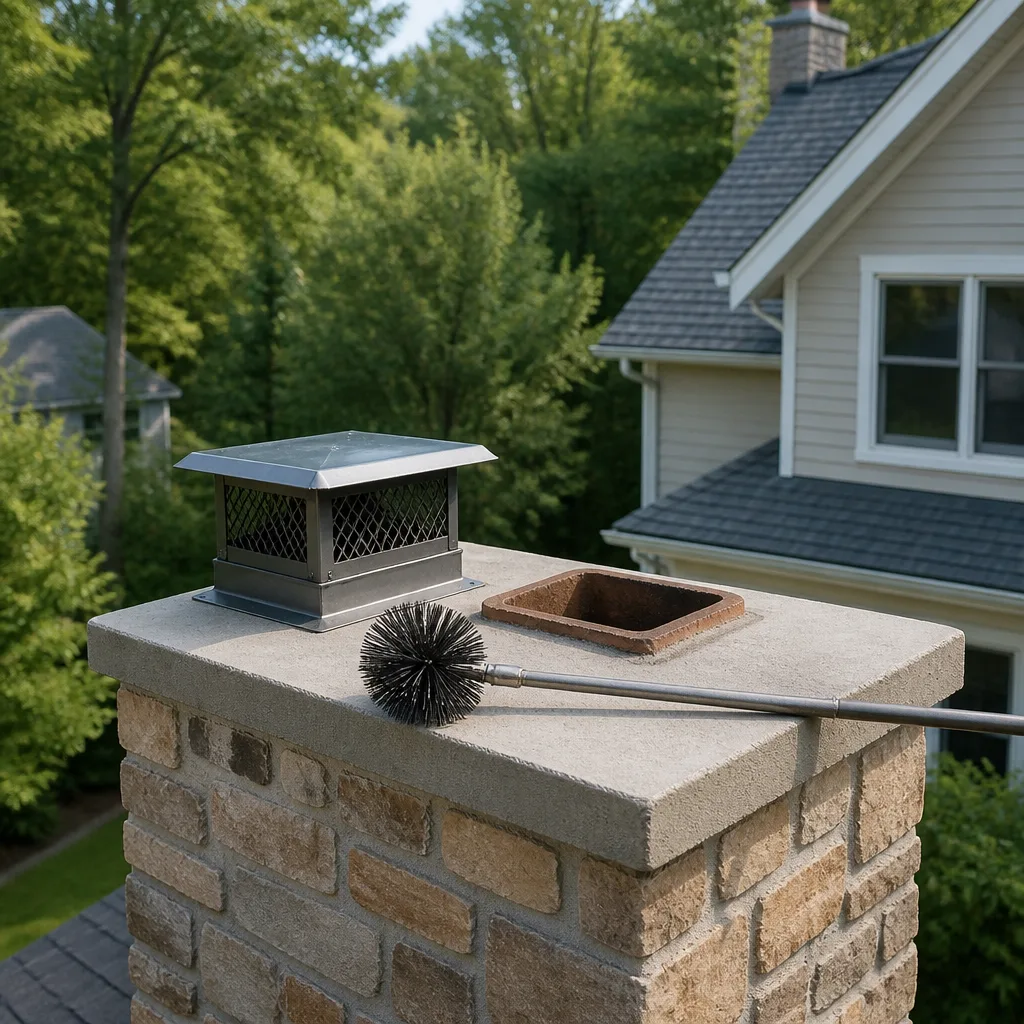
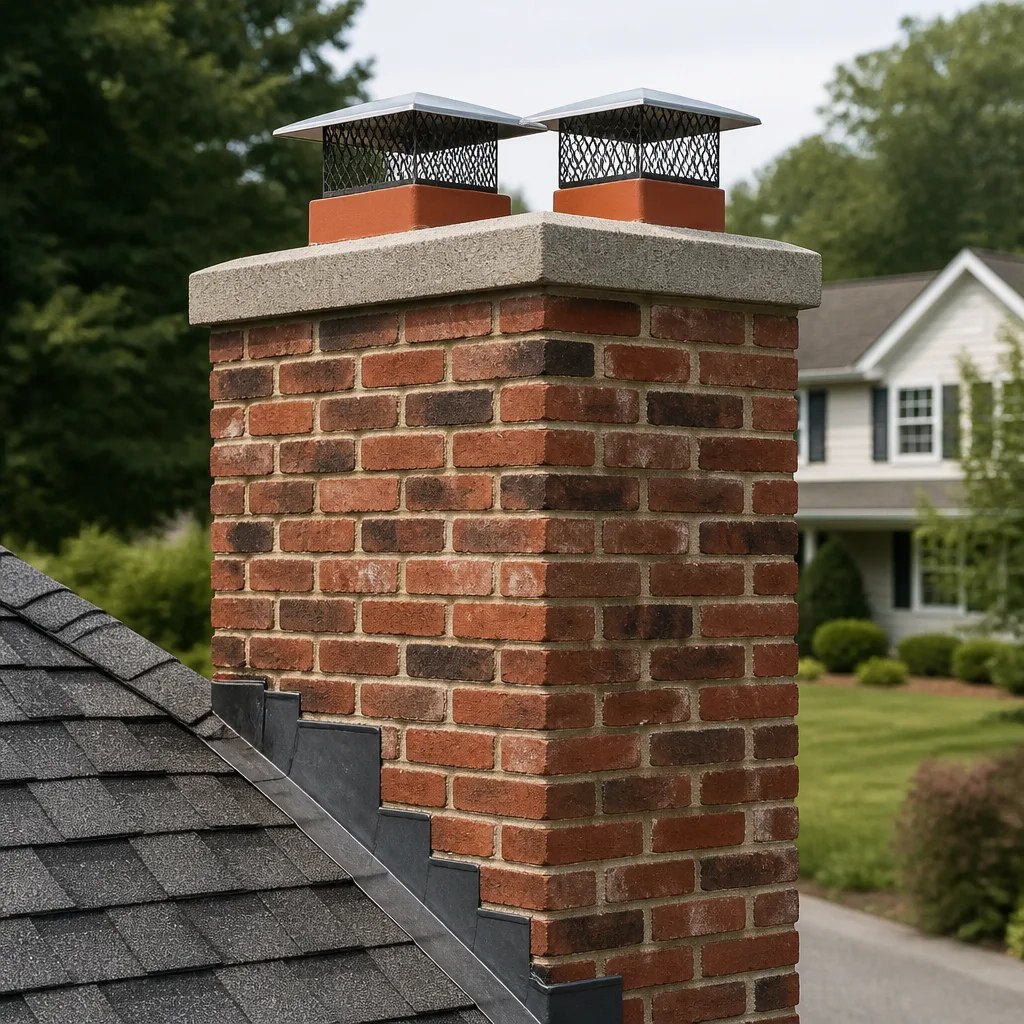
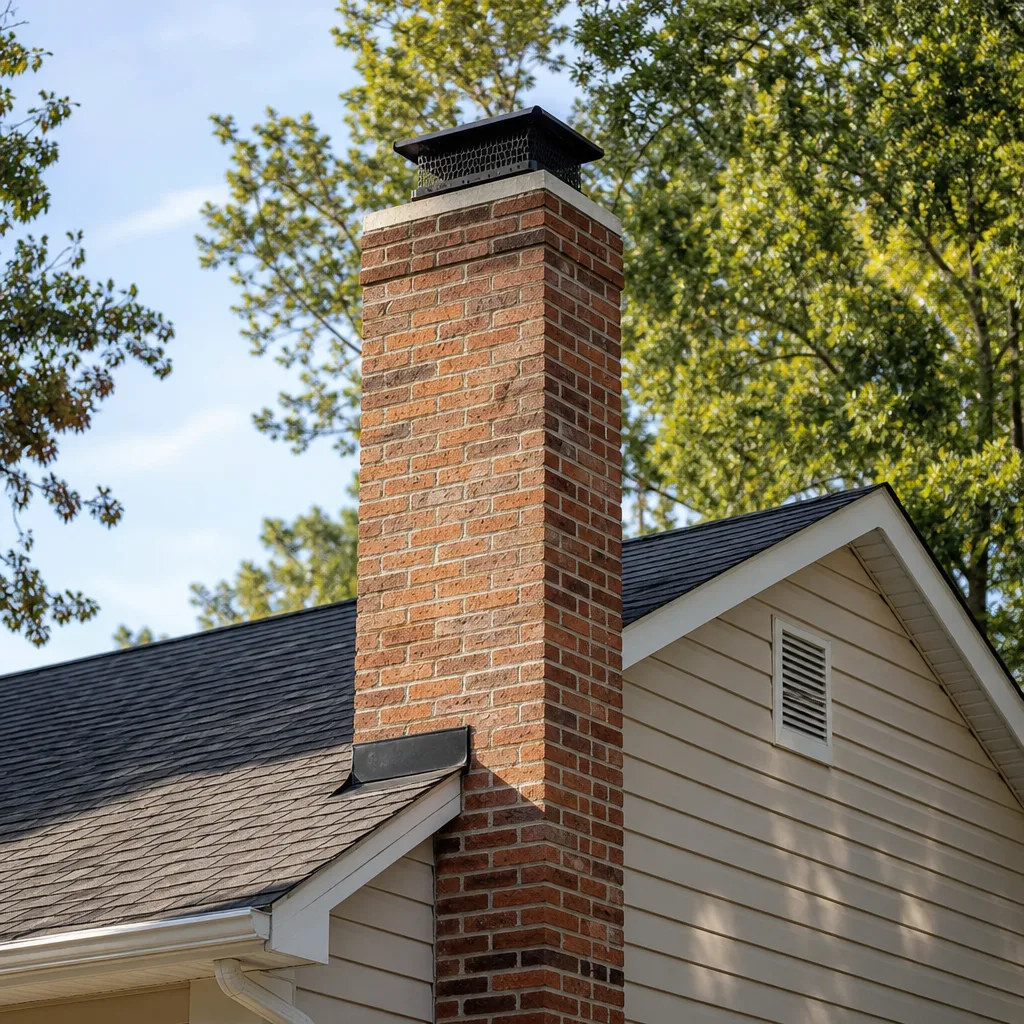
Level 1 sweep and inspection to the NFPA 211 annual standard - flue, crown, cap, and flashing checked and photographed
Chimney sweep logs do not sweep chimneys. They loosen some creosote - which then falls where a brush and vacuum still have to collect it.
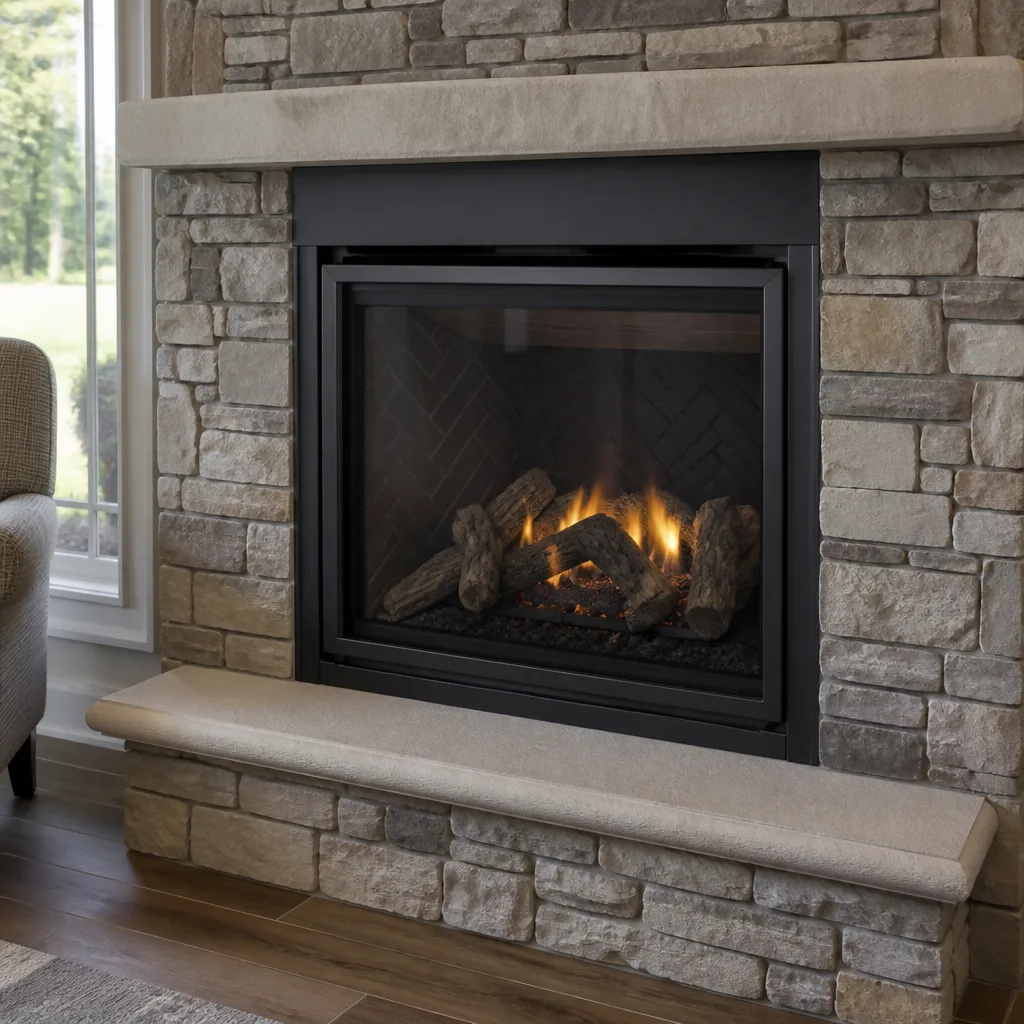
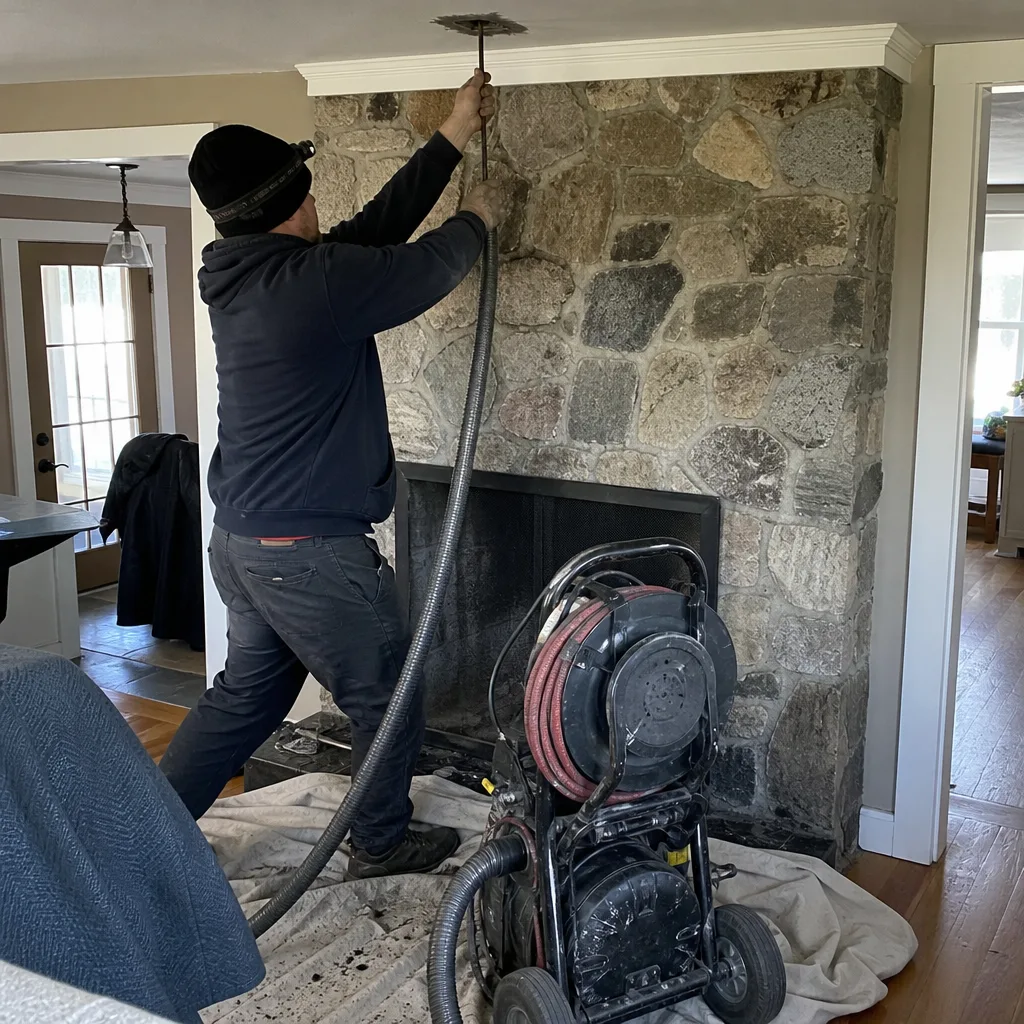 Before
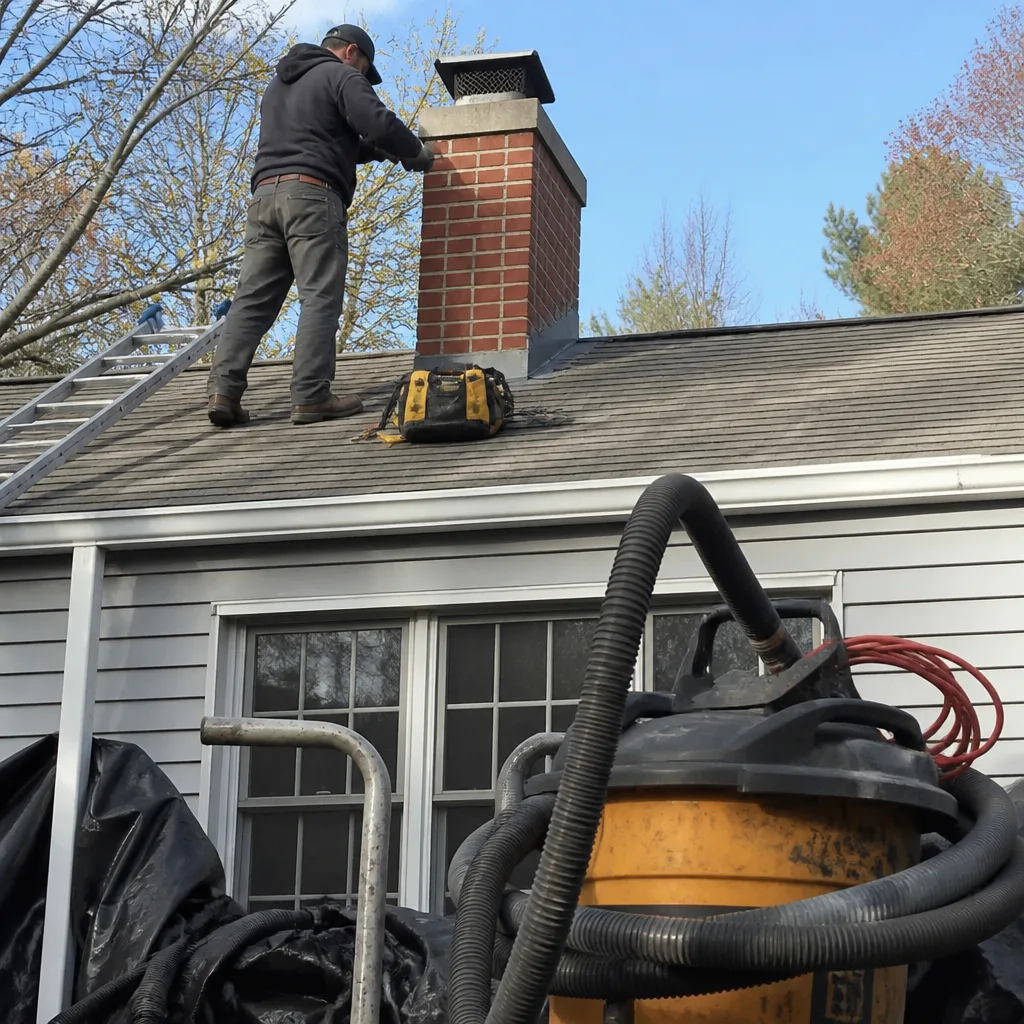 After
After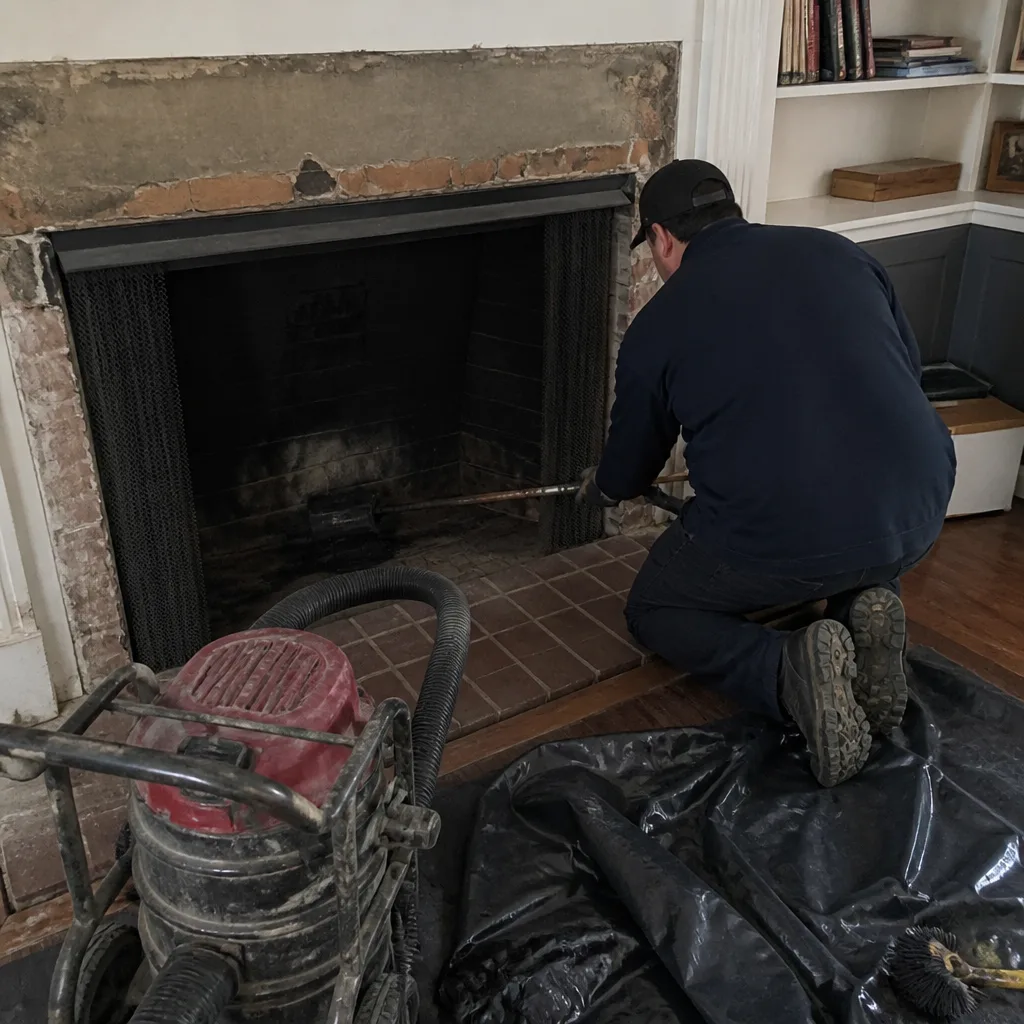 Before
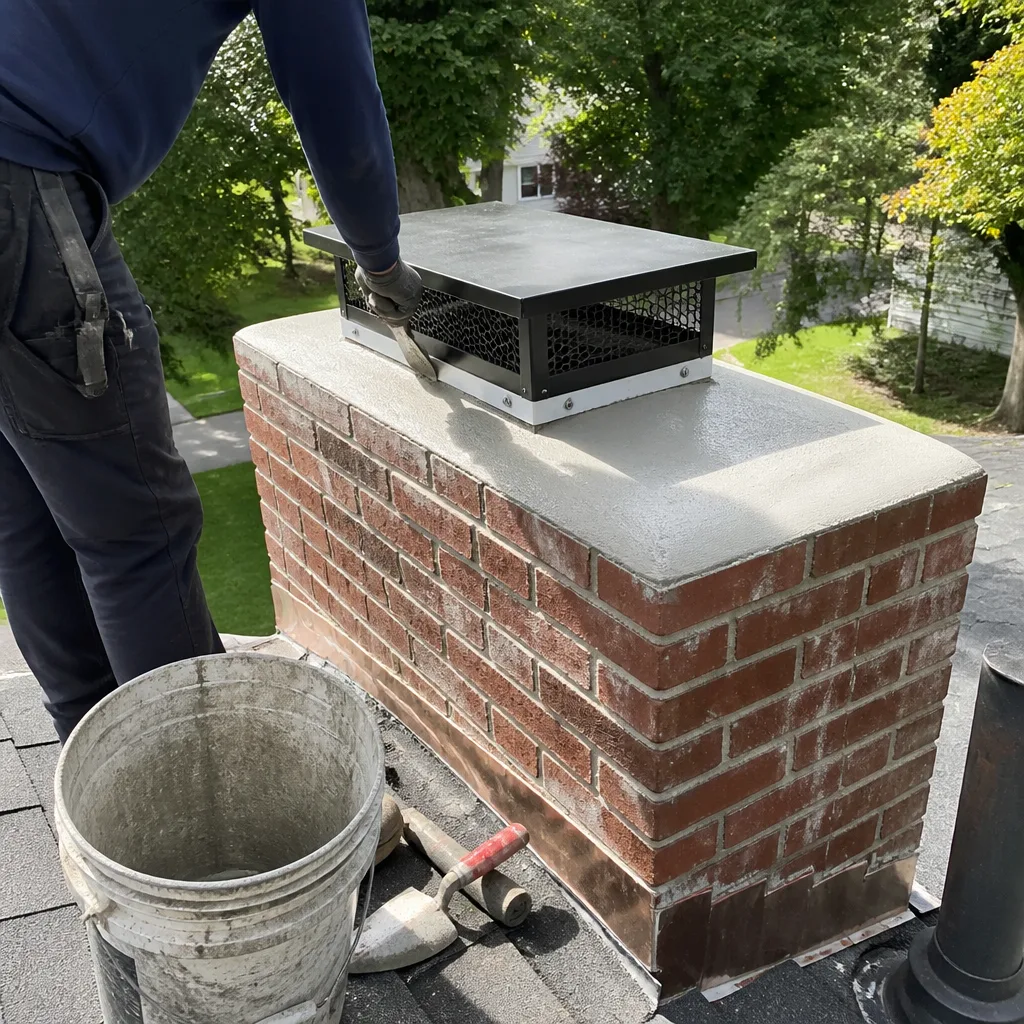 After
After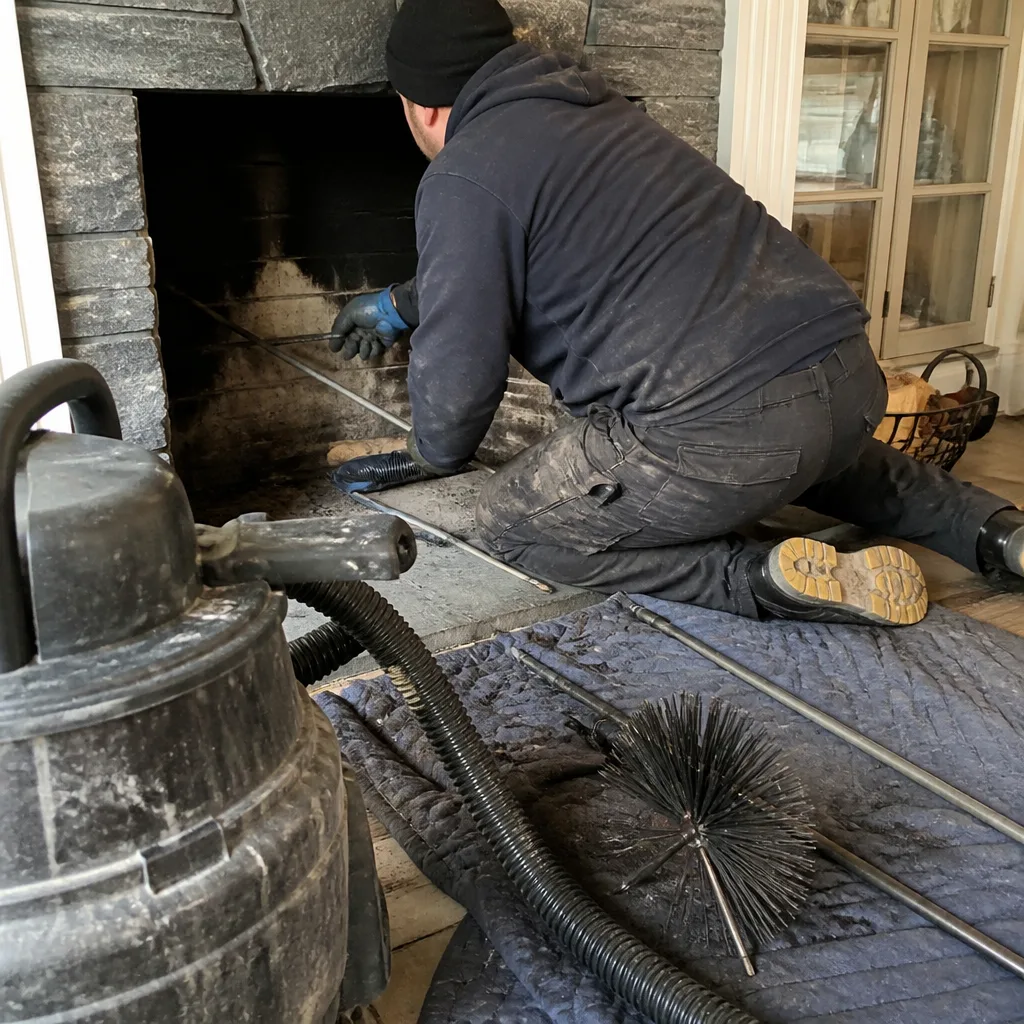 Before
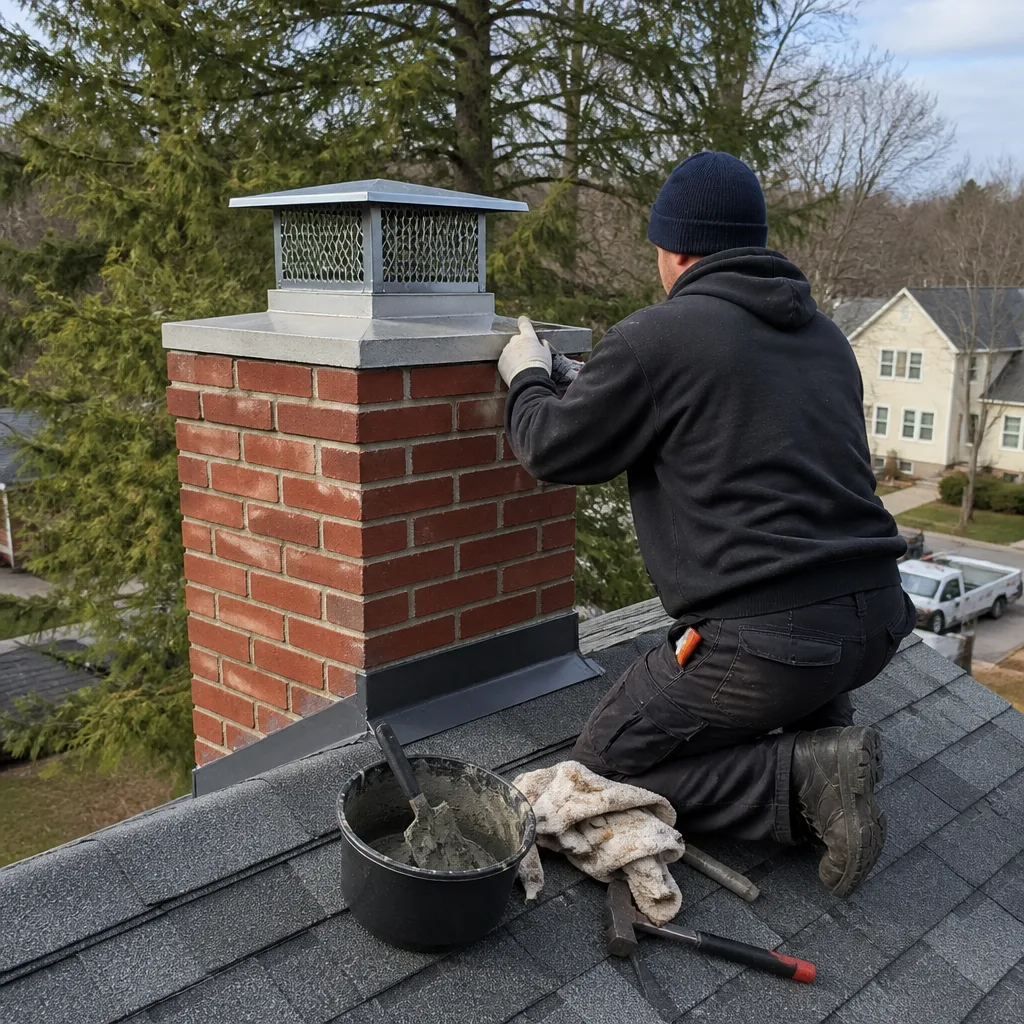 After
AfterHow to Hire a Chimney Cleaning Contractor in Haverhill: A Step-by-Step Guide
Massachusetts does not require chimney sweeps to hold a state license. Anyone with a brush and a van can take your money today. In Haverhill, where winters push heating systems hard and older homes on Bradford Street and Mount Washington carry flues built before modern liner standards, that gap matters. This guide walks you through the actual vetting process we’ve refined across 38,000 inspections since 2009 - not generic tips, but the specific questions, documents, and verification steps that separate a legitimate contractor from someone who’ll leave you with a broomful of soot and no record of what they found. For more guides & resources on protecting your home, see our blog.
Quick Answer
To hire a chimney cleaning contractor in Haverhill, verify they carry CSIA certification and general liability insurance, then request four written documents before any work begins: an itemized quote, the inspection standard they’ll follow, warranty terms, and proof of coverage. Massachusetts has no state licensing for sweeps, so what a company puts in writing is your only reliable filter.
Table of Contents
- The Real Credential Landscape in Massachusetts
- The Four Written Documents to Demand Before Work Starts
- Why Phone Estimates Fail: Camera vs. Guess
- How to Vet a Contractor’s Process for Unexpected Findings
- How to Read a Post-Job Report and Verify the Standard
- What Chimney Cleaning Costs in Haverhill
- Common Mistakes to Avoid
- When to Call a Professional
- Frequently Asked Questions
- The Bottom Line
 Before
 After
AfterThe Real Credential Landscape in Massachusetts
Here’s what most Haverhill homeowners don’t know: the person cleaning your chimney could have started yesterday, and Massachusetts law wouldn’t stop them. There’s no state license for chimney sweeps, no required apprenticeship, no inspection of their equipment. The Department of Fire Services regulates wood-burning installations under 527 CMR, but the sweep who maintains those systems operates in an unlicensed field. For what regulation does exist, see Chimney Cleaning Permits, Codes & Inspections in MA: What You Need to Know.
This isn’t theoretical. We’ve responded to calls in the Acre neighborhood and along Monument Street where a previous “sweep” brushed the firebox, collected $200, and never ran a camera up the flue. The homeowner found out months later when a home inspector flagged a cracked liner during a sale.
What exists instead of state licensing:
- CSIA Certification: The Chimney Safety Institute of America offers voluntary testing. A CSIA-certified sweep has passed a written exam on codes, clearances, and combustion. It’s meaningful, but it’s not enforced by any Massachusetts agency. Ask for the certification number and verify it on CSIA’s website.
- NCSG Membership: The National Chimney Sweep Guild provides education and ethics guidelines. Membership indicates some professional commitment, but it’s not a credential barrier.
- Local Business Permits: Haverhill requires a business certificate for operations within city limits. This is a tax registration, not a skills verification.
- Insurance: General liability coverage is where real protection lives. A sweep with a valid certificate of insurance has something to lose if they damage your property or miss a hazard.
In our experience, the credential gap means you must verify actively. Don’t assume professionalism from a polished website or a magnetic truck sign. The contractors who’ve invested in real training will show you documentation without hesitation. Those who haven’t will deflect, offer verbal assurances, or claim “years of experience” that don’t show up in any searchable record.
One specific Haverhill factor: our freeze-thaw cycles are severe. Flues in homes near the Merrimack River or in low-lying areas like Riverside see more spalling brick and liner damage than drier inland markets. A contractor who doesn’t understand local masonry stress patterns - who treats a Haverhill chimney like one in Arizona - will miss predictable failure modes. See our Seasonal Chimney Cleaning Care for Haverhill: Year-Round Homeowner’s Guide for maintenance timing that matches our climate.
The Four Written Documents to Demand Before Work Starts
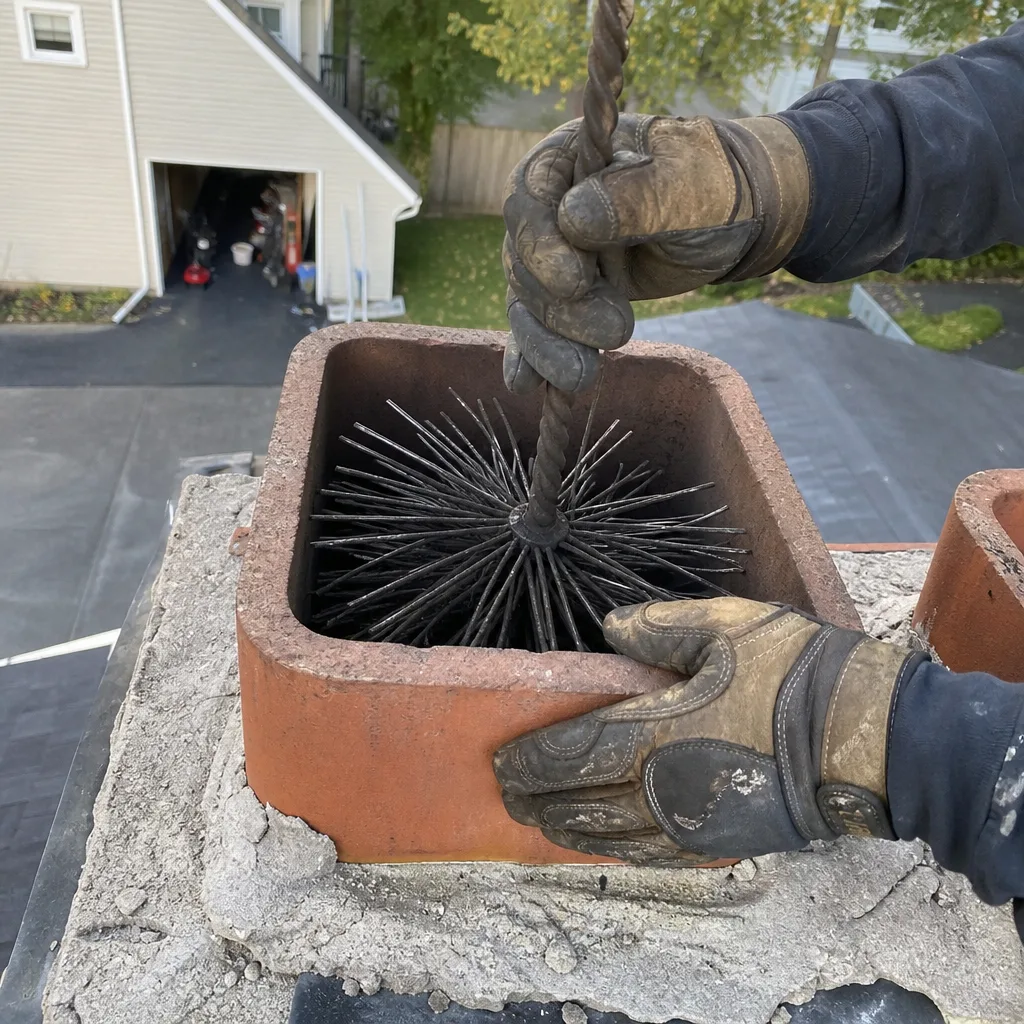
Because Massachusetts offers no state license to check, the paperwork a contractor produces becomes your entire vetting system. We’ve built our Level Two Chimney Haverhill home practice around this reality since 2009. Here are the four documents that separate legitimate operators from the rest.
1. Itemized Written Quote
The quote must list each service separately: sweep, inspection level, any treatments (like Class III creosote removal), and materials. A single lump number with no breakdown is a red flag. It prevents you from comparing scope, and it lets a contractor add charges mid-job without a clear baseline.
Under Haven Standard Clause 1, we deliver a written price, written scope, and written warranty before any work begins. Not after the technician is in your living room. The “have it in writing” principle exists precisely because verbal quotes evaporate when disputes arise.
2. Inspection Standard Declaration
The contractor must state which NFPA 211 inspection level they’ll perform. Level 1 is a visual check of accessible areas. Level 2 adds a camera scan of the flue interior, required for real estate transactions, after chimney fires, or when fuel type changes. Level 3 involves demolition of building components and applies to suspected hidden hazards.
For any Haverhill home built before 1990, we recommend Level 2 as the minimum. Older flues in neighborhoods like Mount Washington and the Highlands often contain unlined brick or clay tile in deteriorated condition that a Level 1 visual check will miss entirely.
3. Warranty Terms in Writing
What happens if the sweep dislodges a liner tile and doesn’t tell you? If creosote remains and catches fire two months later? A verbal “we guarantee our work” means nothing. The warranty must specify duration, coverage scope, and the process for claims.
Our 365-Day Done Right Promise is stamped on every job: if it’s not done right, we make it right. The specific commitment matters less than having it in writing at all.
4. Certificate of Insurance
Request a current certificate of general liability insurance directly from the contractor’s insurance provider, not a photocopy they hand you. This prevents expired or fraudulent documentation. Coverage of at least $1 million is standard for legitimate operations.
Here’s what these four documents protect you from: the contractor who quotes $150 over the phone, arrives to “discover” urgent repairs, and pressures you into a $3,000 upsell with nothing in writing. That pattern is common enough in Essex County that we offer a Free Second Opinion on Any Written Estimate - bring us a competitor’s written quote and we’ll review it against what we find.
Why Phone Estimates Fail: Camera vs. Guess
A price given without inspecting your chimney is not an estimate. It’s a guess, and it almost always moves in one direction: up, after the technician arrives and “finds” complications.
The phone estimate trap works like this. You describe your chimney: two-story colonial, wood-burning fireplace, last cleaned three years ago. The contractor quotes $175-$225. They arrive, look up the flue with a flashlight, and announce you have Stage 3 creosote that requires a chemical treatment, or a cracked liner that needs immediate attention. The price jumps to $800, $1,500, or more. You’re already invested - they know your schedule, you’ve cleared your morning, and the technician is standing in your home.
This is why we don’t give phone estimates for chimney work in Haverhill. The variables are too specific to your system: flue diameter, liner material, creosote class, crown condition, accessibility from roof or hearth. A 1960s ranch in Ward Hill with a factory-built metal chimney needs a fundamentally different approach than an 1890s Victorian in the Acre with an unlined masonry flue.
The camera changes everything. A Level 2 inspection with chimney-scan camera reveals:
- Exact creosote class and thickness (measured, not guessed)
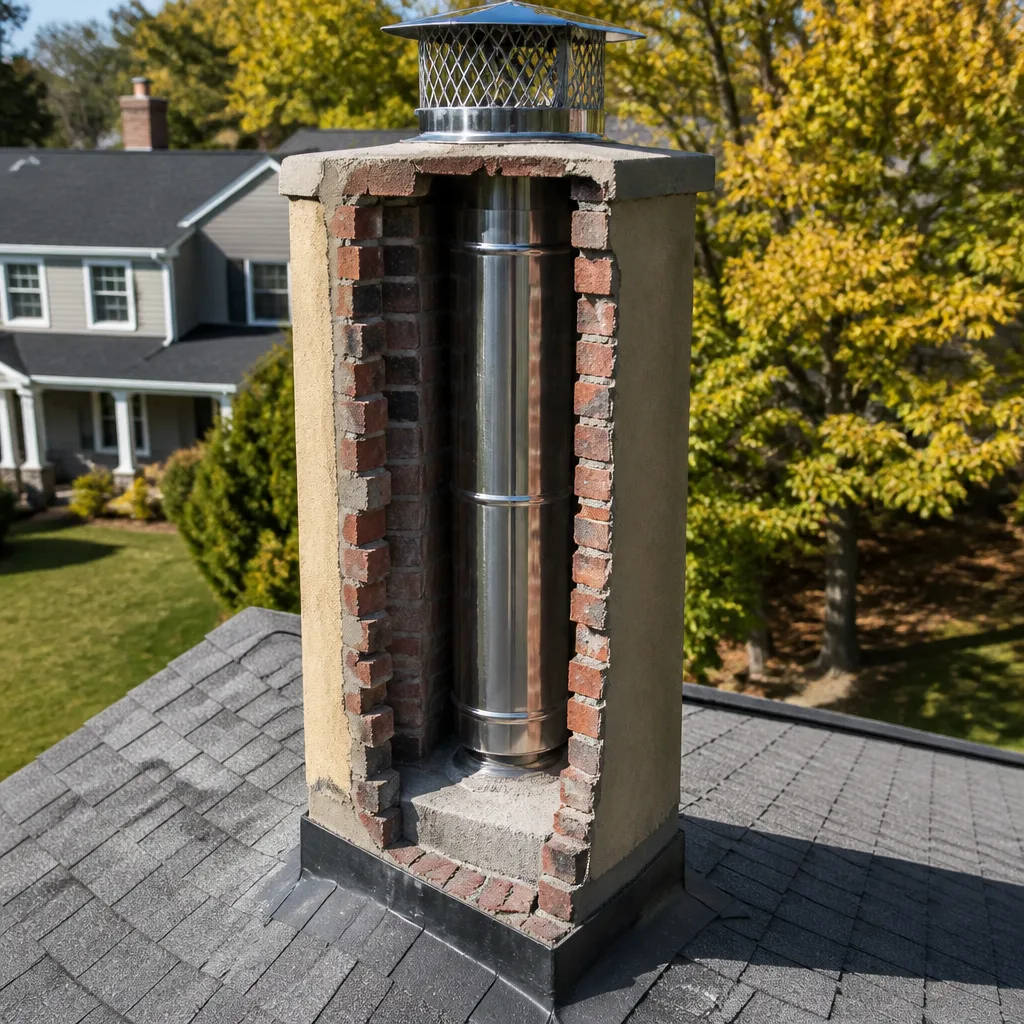
- Liner condition: intact clay tile, cracked sections, missing joints, or no liner at all
- Mortar joint integrity between flue tiles
- Obstructions: bird nests, collapsed debris, or construction errors
- Combustible clearance violations invisible from below
Under Haven Standard Clause 4, we’ve included a documented photo record on every visit since 2009. The customer sees what we see, simultaneously. There’s no “trust us” moment. The camera footage becomes part of your home’s maintenance record, useful for insurance claims, real estate sales, or simply tracking deterioration over time.
If a contractor offers a firm price without a camera inspection, they’re either underpricing to get in the door (and upselling later) or overpricing to cover uncertainty. Neither serves you.
How to Vet a Contractor’s Process for Unexpected Findings
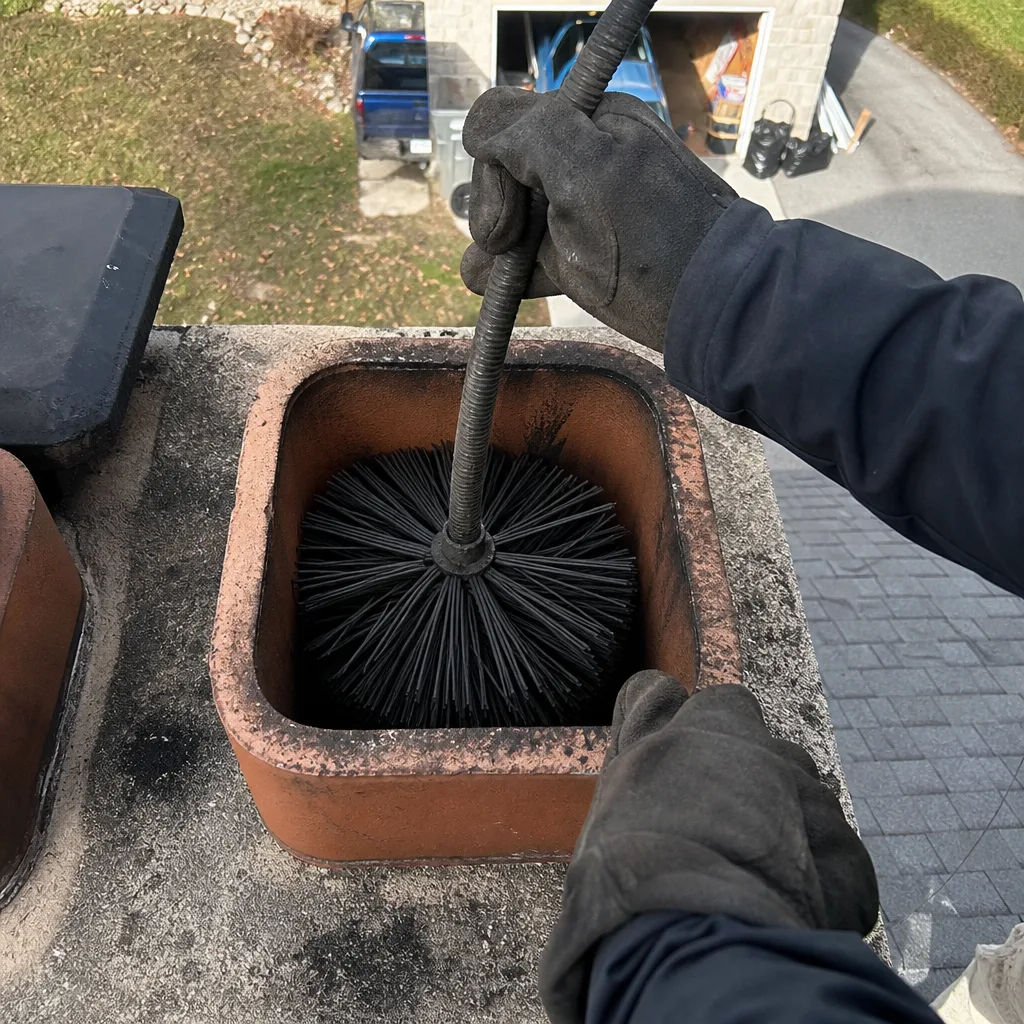
The real test of a chimney contractor isn’t the routine sweep. It’s what they do when they find something they didn’t expect - and how they communicate it before you’re financially committed.
Before hiring anyone in Haverhill, ask these specific questions. Their answers reveal their process integrity:
- “If your camera finds a cracked flue liner mid-job, what’s your protocol?” The right answer: stop work, show you the footage, explain options with written prices for each, and let you decide without pressure. The wrong answer: “We can fix it today for a discount if you approve now.”
- “How do you handle Class III glazed creosote?” This hard, tar-like deposit doesn’t brush off. It requires chemical treatment, often over multiple visits, or rotary mechanical removal. A contractor who says “we’ll just brush harder” doesn’t understand the fire risk they’re leaving behind.
- “What’s included if you find a blocked flue?” Bird nests, especially in Haverhill’s older neighborhoods with mature trees, are common. Removal should be documented with photos, and the contractor should note whether the blockage damaged the liner or indicates a missing or damaged chimney cap.
- “Do you stop the clock for consultation, or does meter keep running?” Some contractors charge hourly and extend “explanation time” into billable hours. We don’t. Our written price covers the scope; consultation about findings is part of the service, not an add-on.
- “Can I see the camera footage before approving any additional work?” Refusal is an automatic disqualifier. The only reason to withhold footage is that it doesn’t support the upsell.
Here’s a scenario we’ve encountered repeatedly in Haverhill. A homeowner in the Highlands schedules a routine sweep. Our camera finds a partially detached flue liner joint at the smoke chamber - invisible from below, undetectable without camera access. Creosote has been seeping into the gap for years. The options are: monitor with annual Level 2 inspections, repair with a HeatShield cerfractory sealant application, or reline with a stainless steel system from DuraFlex or Olympia Chimney. Each option gets a written price. The homeowner chooses based on their budget and risk tolerance, not pressure.
That process only works if it’s established before the technician arrives. Ask these questions when you’re vetting, not when someone’s on your roof.
How to Read a Post-Job Report and Verify the Standard
After the work is done, most homeowners file the invoice and forget it. That’s a mistake. The post-job report is your proof of what was actually performed, and it’s the document insurance companies or home inspectors will request if problems arise later.
Here’s what a legitimate report from a Haverhill chimney cleaning should include:
- Inspection level performed: Explicitly stated as NFPA 211 Level 1, 2, or 3. If you paid for Level 2, the report must reference camera inspection and include footage or still images.
- Pre-condition documentation: Photos or video of creosote buildup, liner condition, and any damage before work began. This establishes the baseline.
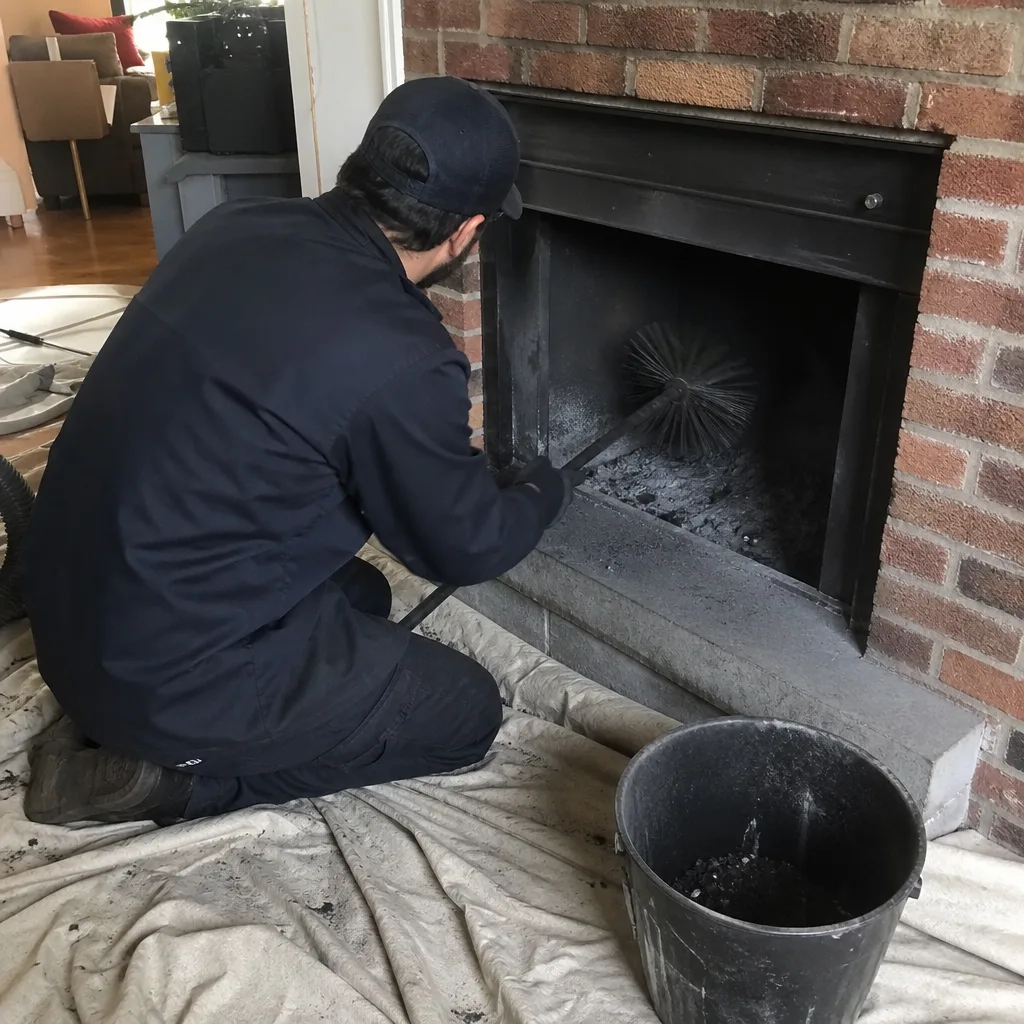
- Work performed: Specific actions - rotary sweep with polypropylene brushes, HEPA vacuuming, smoke chamber parge coating, etc. Generic language like “cleaned and inspected” is insufficient.
- Post-condition documentation: Photos showing the cleared flue, intact liner, and accessible components after work. This proves the scope was completed.
- Measurements and readings: Flue dimensions, clearance measurements where accessible, and any diagnostic readings (draft pressure, CO levels if tested).
- Recommendations with priority ratings: What needs immediate attention, what should be monitored, and what’s informational. Vague “recommend repairs soon” language without specifics is a warning sign.
- Written warranty: Duration, coverage, and claim process, matching the pre-work document.
Red flags in a post-job report: no photos, no inspection level stated, recommendations without supporting documentation, or a push for immediate additional work with no written price. We’ve reviewed competitor reports in Haverhill where “Level 2 inspection” was claimed but no camera footage existed - the technician never ran the scan, or the company has no camera at all.
How to verify the standard was actually performed: request the raw camera footage, not just a printed report with a few images. A true Level 2 inspection produces continuous video of the entire flue. If the contractor can’t produce it, the inspection level claimed is unverified.
Under Haven Standard Clause 4, our documented photo record on every visit is archived and available to the customer on request. We’ve maintained this practice since 2009, before NFPA guidance emphasized documentation and before insurers began requesting it. That archive has resolved disputes, supported insurance claims, and given Haverhill homeowners selling their homes a transferable maintenance record.
What Chimney Cleaning Costs in Haverhill
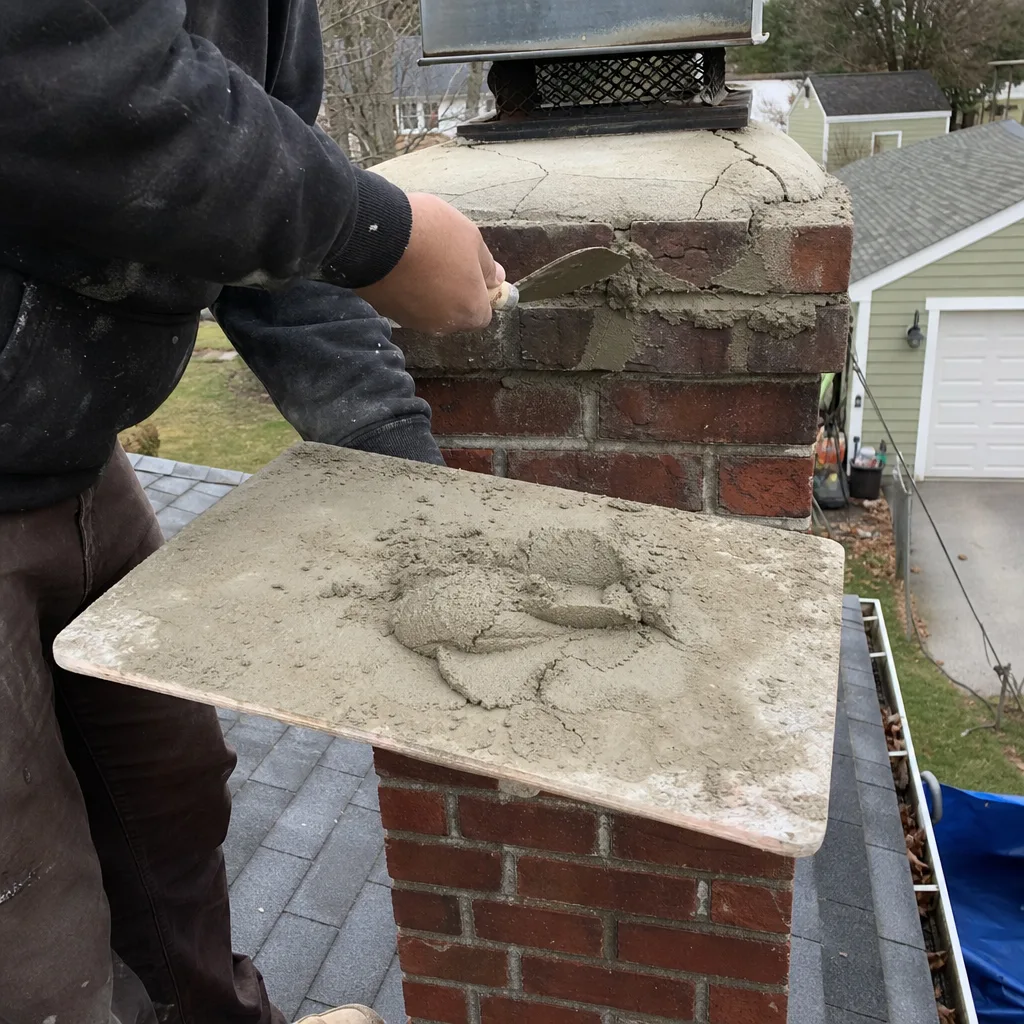
Pricing transparency is where the chimney industry in Haverhill breaks down most visibly. Because there’s no state license creating a floor for professionalism, the price spread between lowest and highest bidders often reflects completely different services, not just different margins.
Here’s what legitimate chimney cleaning and inspection costs in the Haverhill market, based on the actual scope performed. For a detailed breakdown, see our Chimney Cleaning Cost Breakdown: The Haverhill Homeowner’s Reference for 2026:
| Service | Typical Range in Haverhill | What Determines Price |
|---|---|---|
| Level 1 sweep and visual inspection | $150 - $250 | Accessibility, number of flues, amount of creosote |
| Level 2 inspection with camera scan | $250 - $400 | Flue length, liner type, number of appliances served |
| Class III creosote removal (chemical + mechanical) | $400 - $800 | Thickness, flue diameter, number of treatments needed |
| Chimney cap installation (standard stainless) | $300 - $600 | Flue count, cap style, accessibility |
| Minor crown repair (sealant application) | $350 - $700 | Crown size, damage extent, material used |
| Smoke chamber parge coating | $800 - $1,500 | Chamber size, access difficulty, material (HeatShield or equivalent) |
| Stainless steel liner installation (single flue) | $2,500 - $4,500 | Flue length, diameter, insulation requirements, appliance type |
Prices vary by neighborhood accessibility. Homes in Bradford with steep pitched roofs or limited driveway access for ladder trucks may carry modest additional charges, which should be noted in the written quote, not added as a surprise.
The critical price principle: a written price before work starts, with scope defined, lets you compare apples to apples. A $150 phone quote for “chimney cleaning” that becomes a $600 bill after arrival is not a better deal than a $300 written quote for a defined Level 2 sweep and inspection.
Our Chimney Cleaning & Sweep in Haverhill service includes the camera scan and photo documentation as standard, not as an upsell. The price we write is the price you pay, with any findings that require additional work presented as separate, priced options you can approve or decline.
Common Mistakes to Avoid
- Hiring based on lowest price alone. In Haverhill’s unlicensed market, the cheapest bid often means no insurance, no camera, and no documentation. A $150 sweep that misses a cracked liner costs far more than a $300 sweep that finds it.
- Accepting a verbal quote. Massachusetts consumer protection law gives you leverage with written contracts, but verbal agreements are difficult to enforce. If they won’t put it in writing, they don’t stand behind it.
- Assuming all “inspections” are equal. A flashlight look and a camera scan are different services with different values. Ask explicitly which NFPA 211 level will be performed, and verify it in the report.
- Neglecting the insurance check. We’ve seen two Haverhill homeowners in the past five years face property damage from uninsured contractors - one from a dropped tool through a skylight, one from a ladder slip that damaged siding. The certificate of insurance takes five minutes to verify and protects against thousands in uncovered losses.
- Booking only in fall. Haverhill’s chimney sweep demand peaks October through December. Contractors are rushed, schedules slip, and the temptation to skip documentation rises. Book in spring or summer for unhurried service and often better rates.
- Ignoring neighborhood-specific risks. Homes near the Merrimack floodplain or in low-lying areas like Riverside experience more moisture intrusion and freeze-thaw damage. A generic sweep doesn’t address these patterns. Ask the contractor what they’ve observed in your specific Haverhill neighborhood.
- Failing to request the camera footage. The report summary is not the inspection. Raw footage proves the flue was fully scanned and lets you or a second opinion reviewer verify findings independently.
When to Call a Professional
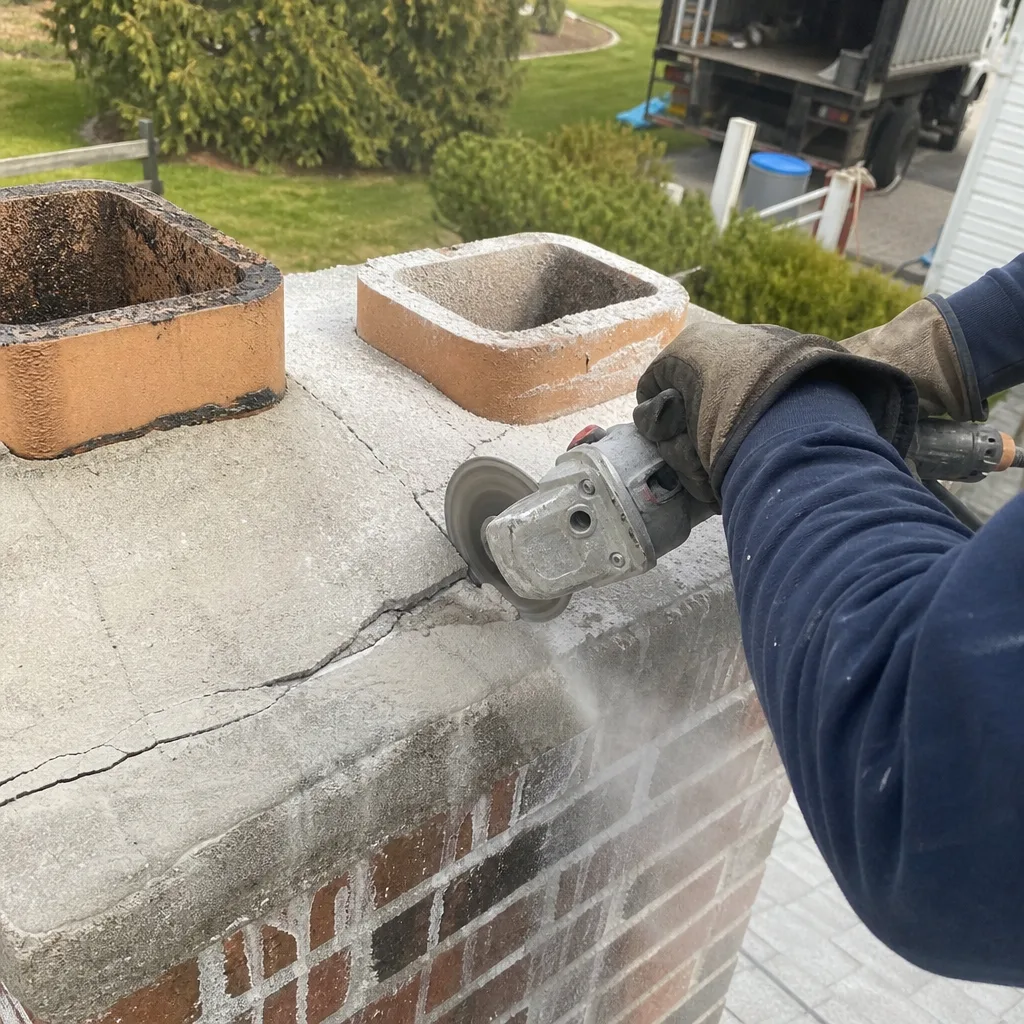
Certain conditions in Haverhill homes require immediate professional evaluation, not routine scheduling. Call a qualified contractor if you notice: smoke backing up into the room during fireplace use; a strong, acrid odor from the fireplace in warm weather (indicating active creosote buildup); visible cracks in the exterior masonry, especially after freeze-thaw cycles; white staining (efflorescence) on the chimney exterior, signaling moisture penetration; or any evidence of previous chimney fire - warped metal components, discolored masonry, or heat-damaged surrounding materials.
Carbon monoxide symptoms - headaches, nausea, dizziness when the heating system runs - demand emergency response from fire services first, then chimney evaluation. Blocked or damaged flues can vent combustion gases into living spaces without visible warning.
Level Two Chimney Haverhill offers free estimates in Haverhill. Call (351) 444-9705 to schedule a Level 2 inspection with camera documentation, or bring us any competitor’s written estimate for a free second opinion.
Frequently Asked Questions
A legitimate chimney sweep with Level 2 camera inspection in Haverhill typically runs $250-$400 for a standard wood-burning fireplace flue. Prices at the lower end of that range without camera documentation should prompt questions about what standard is actually being followed. Call (351) 444-9705 for an exact quote - estimates are free.
You need a new liner if the existing one is cracked, missing sections, or absent entirely - conditions that allow heat and combustion gases to reach combustible framing. In Haverhill’s older housing stock, particularly pre-1940 homes in the Acre and Bradford, unlined flues are common. We don’t recommend liner replacement without camera evidence you can see yourself, and we’ll tell you plainly when the existing liner can be monitored rather than replaced.
NFPA 211 recommends annual inspection for all chimneys, with cleaning frequency determined by use and creosote accumulation. In Haverhill, where many homeowners burn cordwood from Essex County suppliers with mixed hardwood content, we often find significant buildup after a single season of weekend use. Annual Level 2 inspection with measurement of creosote thickness is the only way to determine if cleaning is actually needed rather than assuming it is or isn’t.
Skipped maintenance leads to creosote accumulation, which ignites at approximately 451°F and burns at temperatures exceeding 2,000°F - hot enough to crack liners and penetrate to combustible framing. In Haverhill’s older, tightly spaced neighborhoods, chimney fires can spread rapidly. Carbon monoxide infiltration from blocked or damaged flues poses the less visible but more lethal risk. The cost of prevention is a fraction of the cost of remediation after failure.
No. CSIA certification is voluntary, not required by Massachusetts law. This is precisely why your vetting process matters more here than in states with licensing requirements. A CSIA-certified sweep has demonstrated knowledge through testing, but you must verify the credential independently - ask for the certification number and check it at csia.org.
The terms are often used interchangeably, but the services differ. A sweep removes deposits and debris. An inspection evaluates system condition against code standards. In practice, most legitimate contractors perform both, but the critical variable is the inspection standard: Level 1 (visual), Level 2 (camera), or Level 3 (destructive). A “sweep” without defined inspection level is incomplete service. Our Chimney Repair in Haverhill page details how inspection findings translate to repair scope.
The Bottom Line
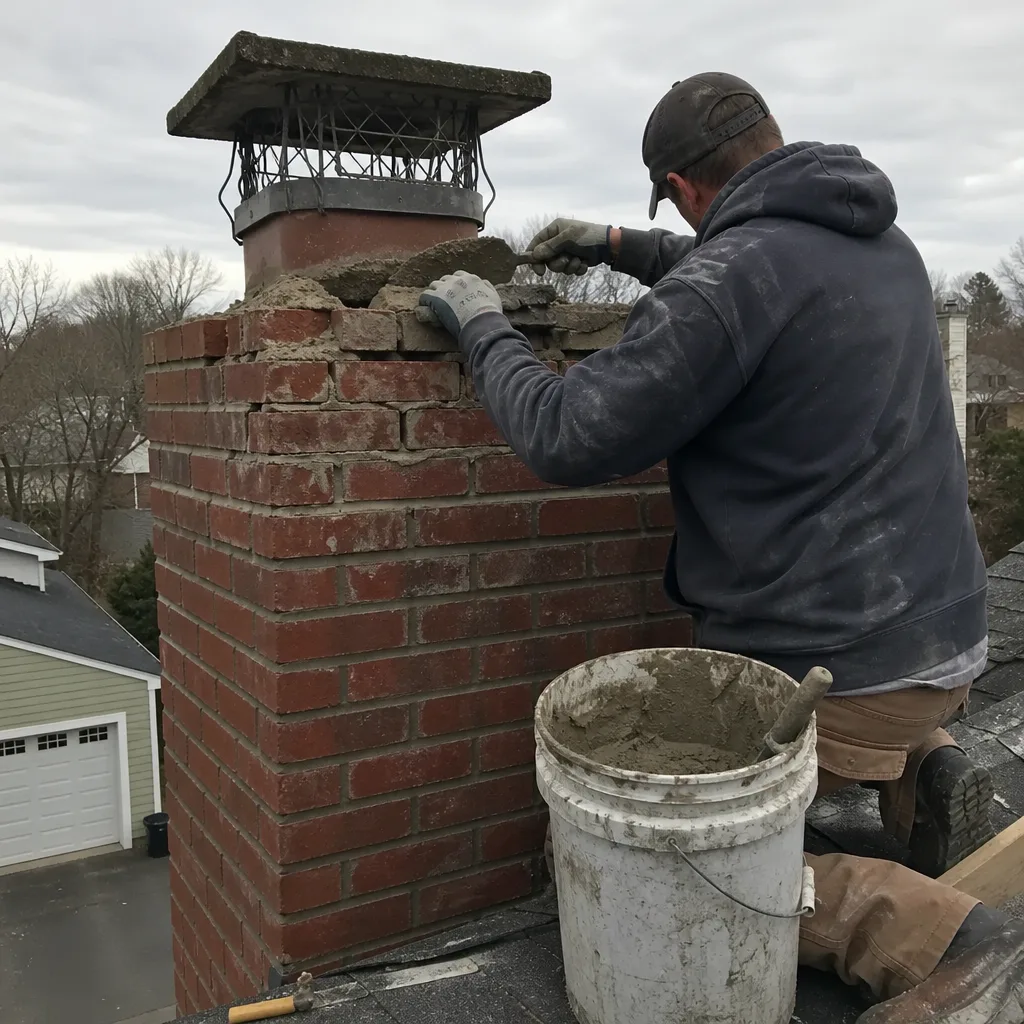
Hiring a chimney cleaning contractor in Haverhill comes down to one principle: in the absence of state licensing, what a company puts in writing before work starts is your only reliable protection. Demand CSIA certification verification, general liability insurance proof, and four specific documents - itemized quote, inspection standard, warranty terms, and insurance certificate. Reject phone estimates for anything beyond basic scheduling. Insist on camera documentation for any claim about flue condition. And read the post-job report carefully enough to verify the standard paid for was the standard performed.
The contractors who’ve built durable practices in Haverhill’s unregulated market have done so by documenting everything, pricing transparently, and letting their work speak through evidence rather than promises. That’s the standard we’ve operated under since 2009, across 38,000 chimneys, and it’s the filter we recommend applying to every contractor you consider.
For a free estimate with written price before any work begins, call Level Two Chimney Haverhill at (351) 444-9705. We answer live, 24 hours a day, and every inspection includes camera documentation under Haven Standard Clause 4.
Written by Corrine Halstead, Owner at Level Two Chimney Haverhill, serving Haverhill since 2009.