
Last updated September 22, 2026
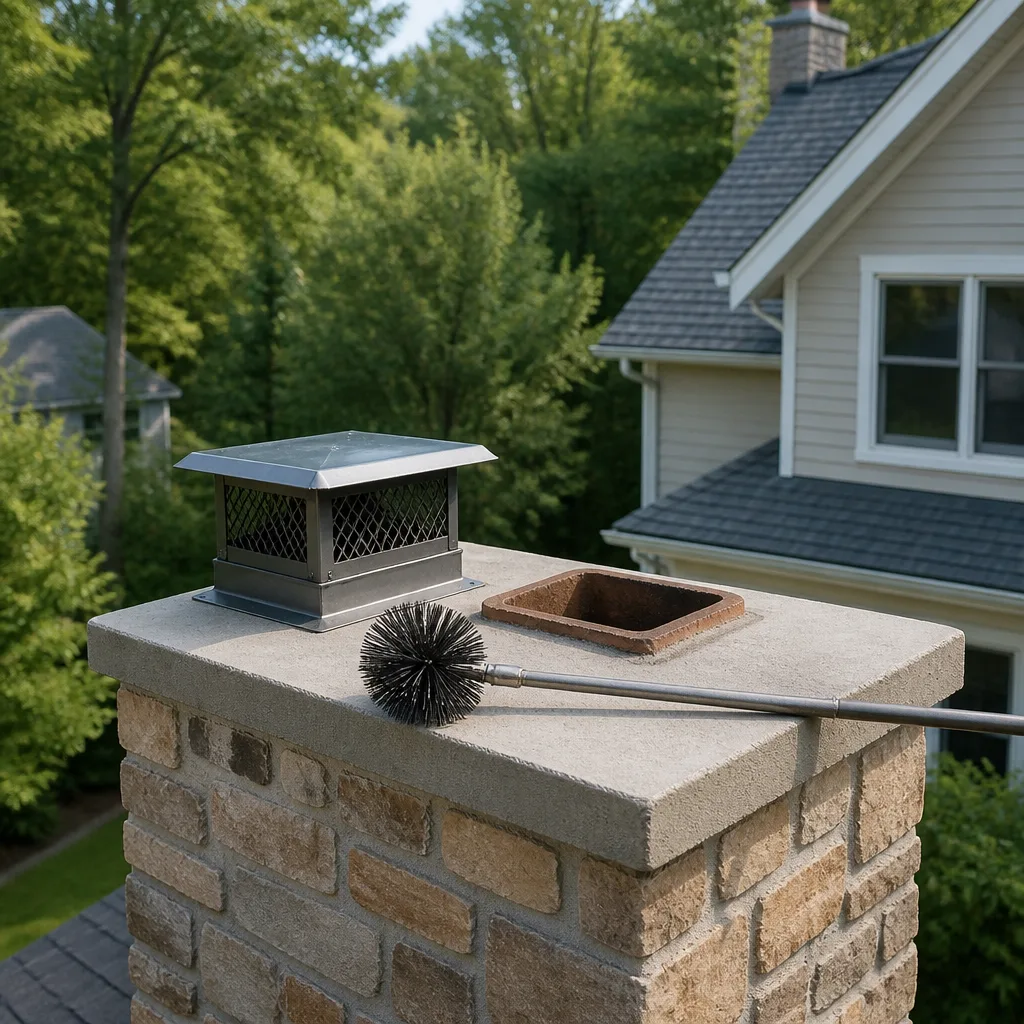
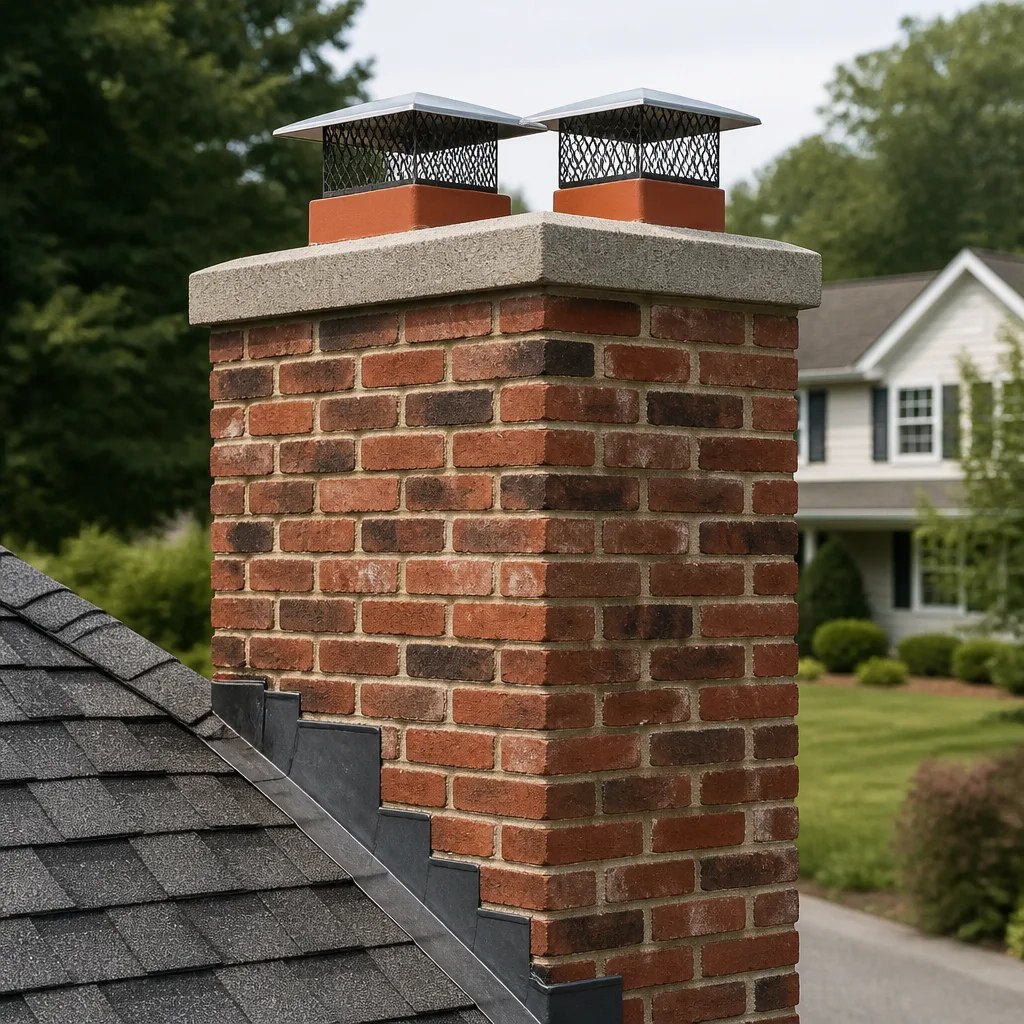
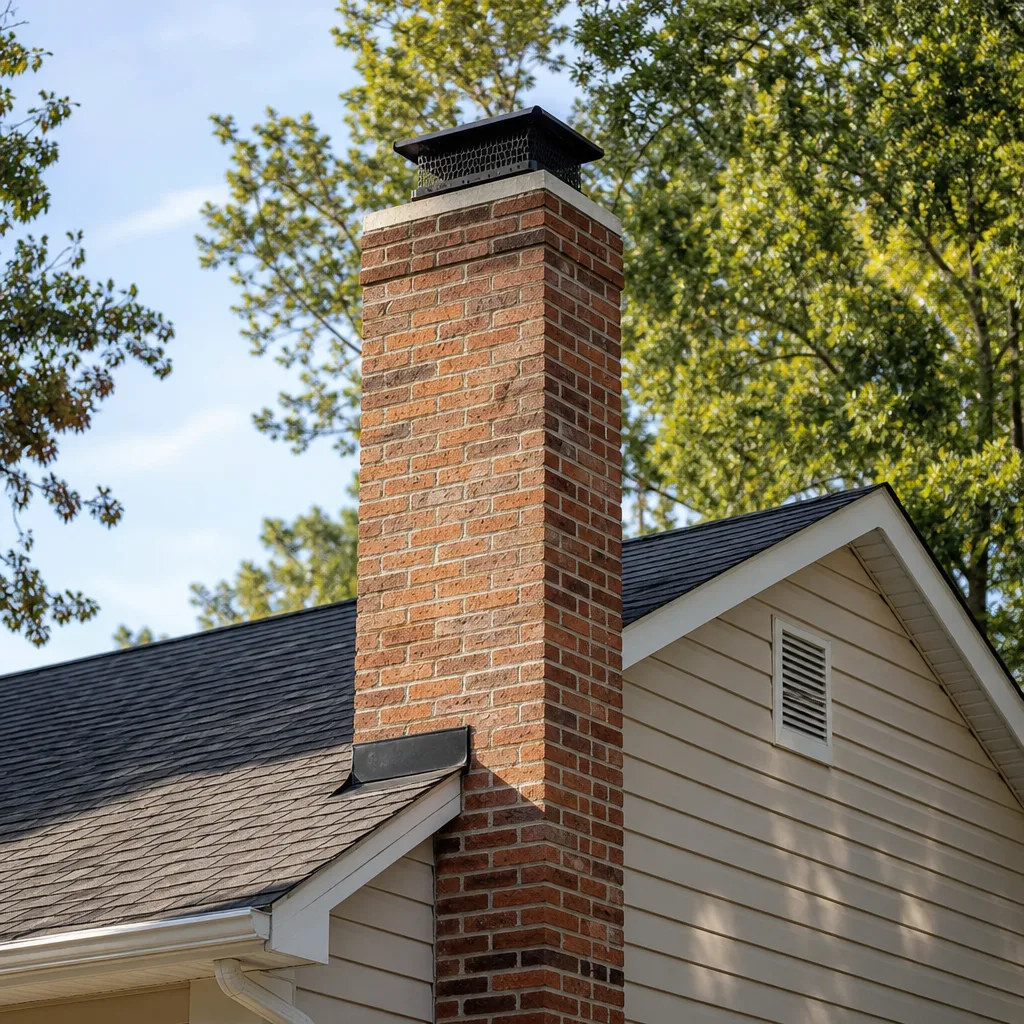
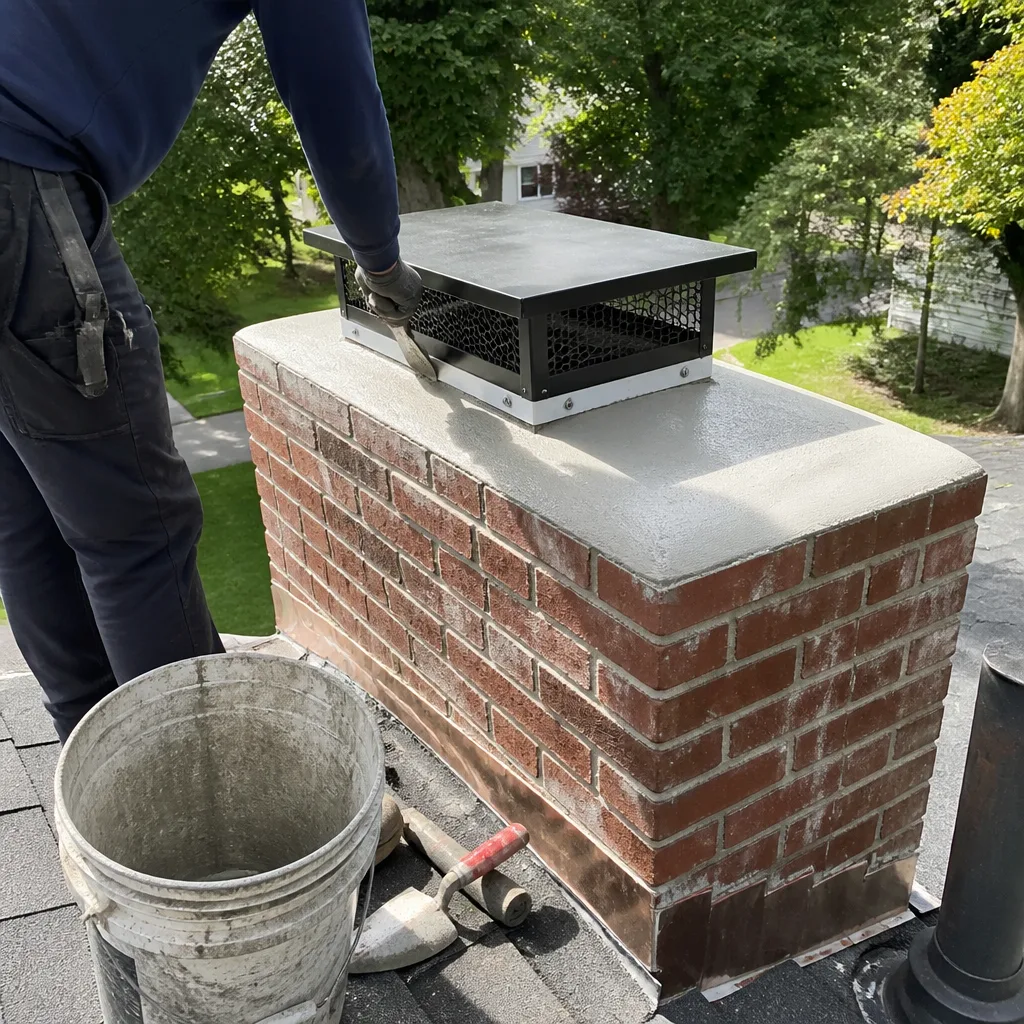
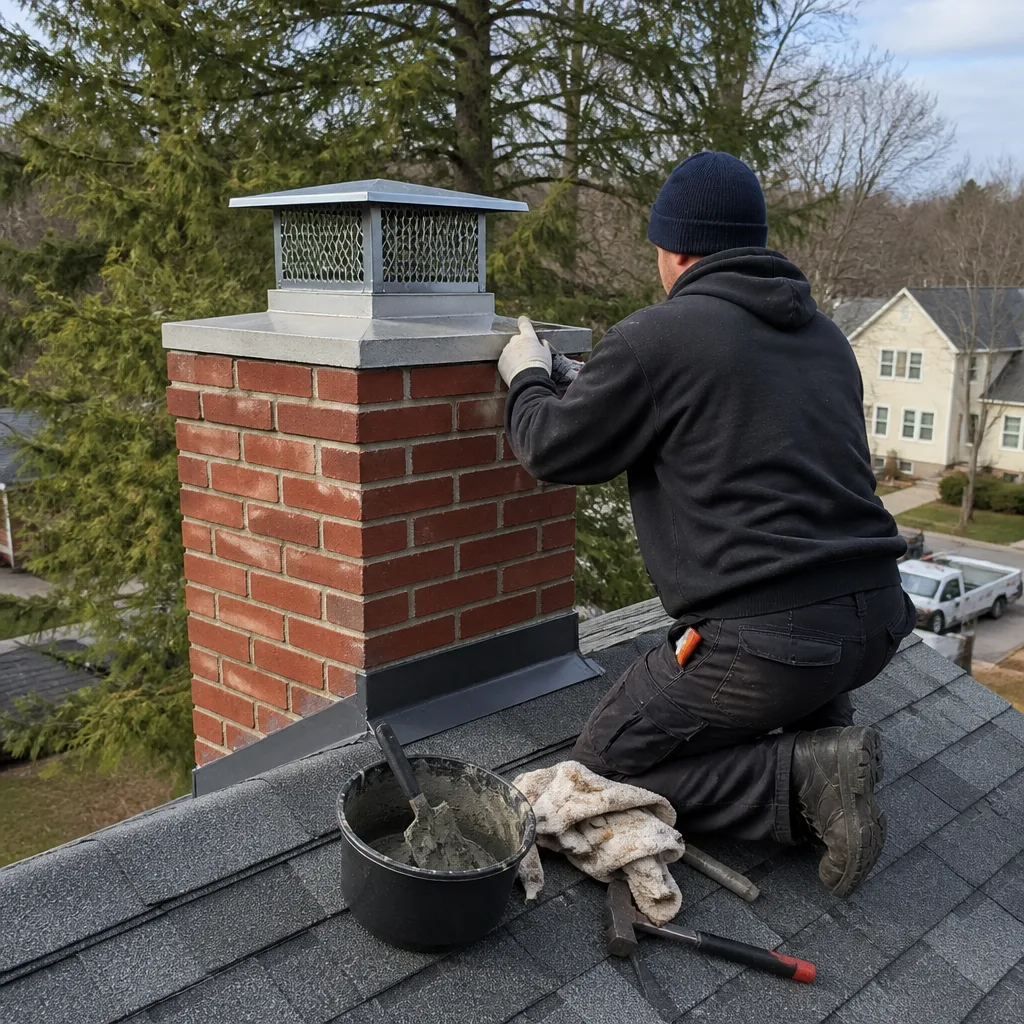
Level 1 sweep and inspection to the NFPA 211 annual standard - flue, crown, cap, and flashing checked and photographed
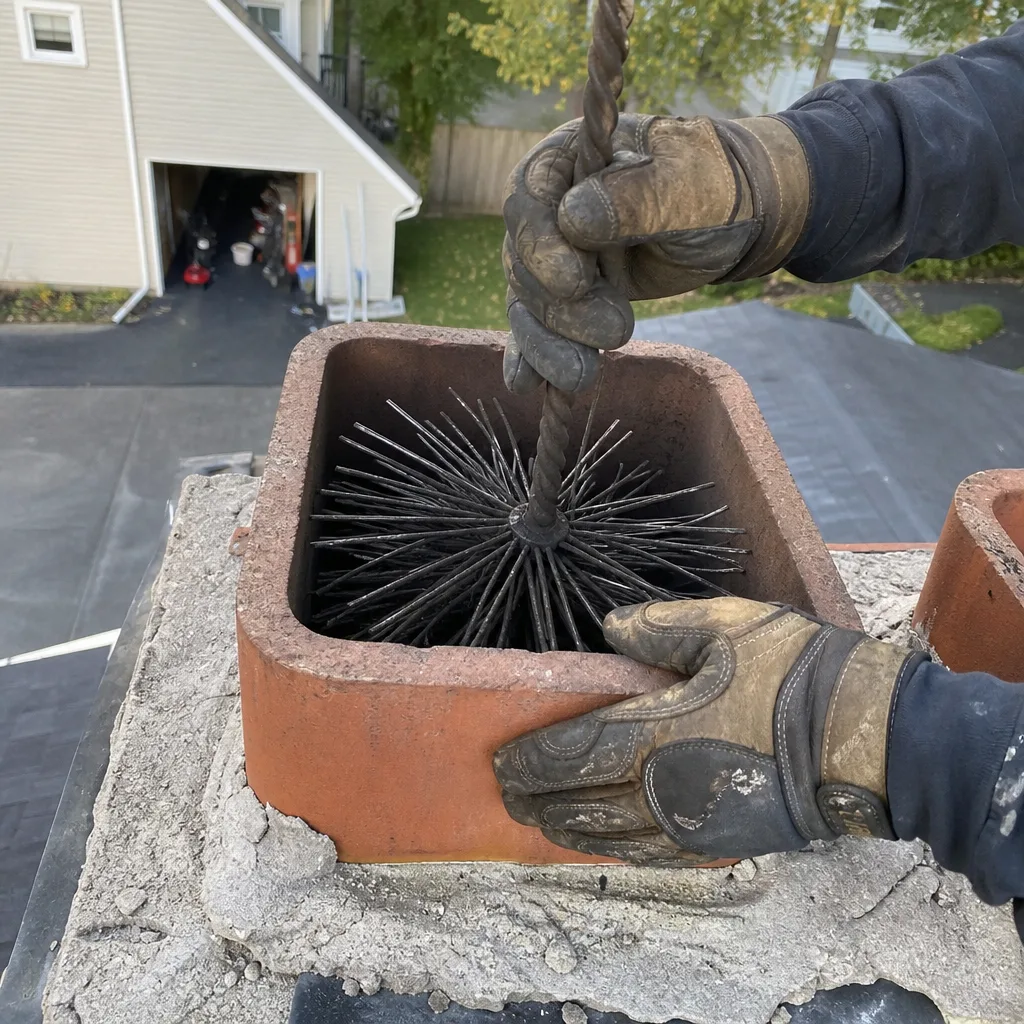
Chimney sweep logs do not sweep chimneys. They loosen some creosote - which then falls where a brush and vacuum still have to collect it.
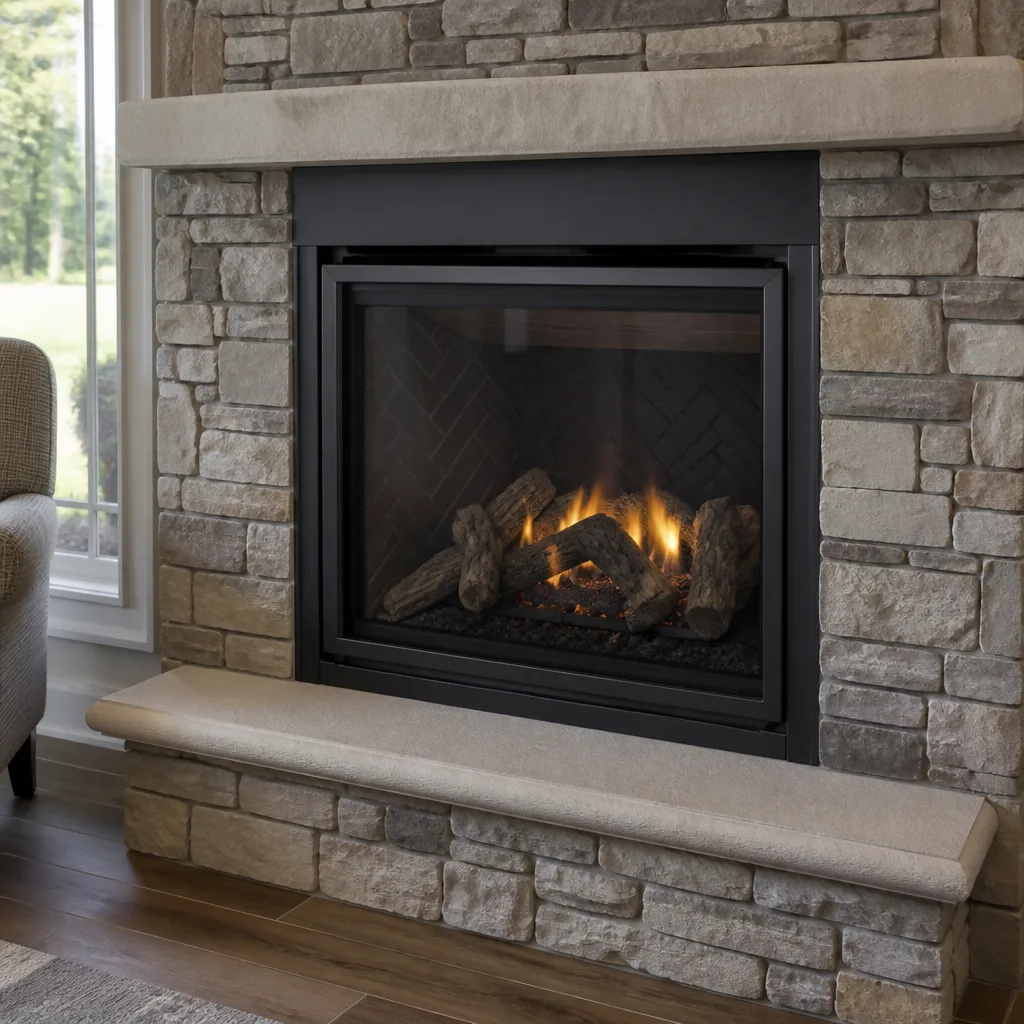
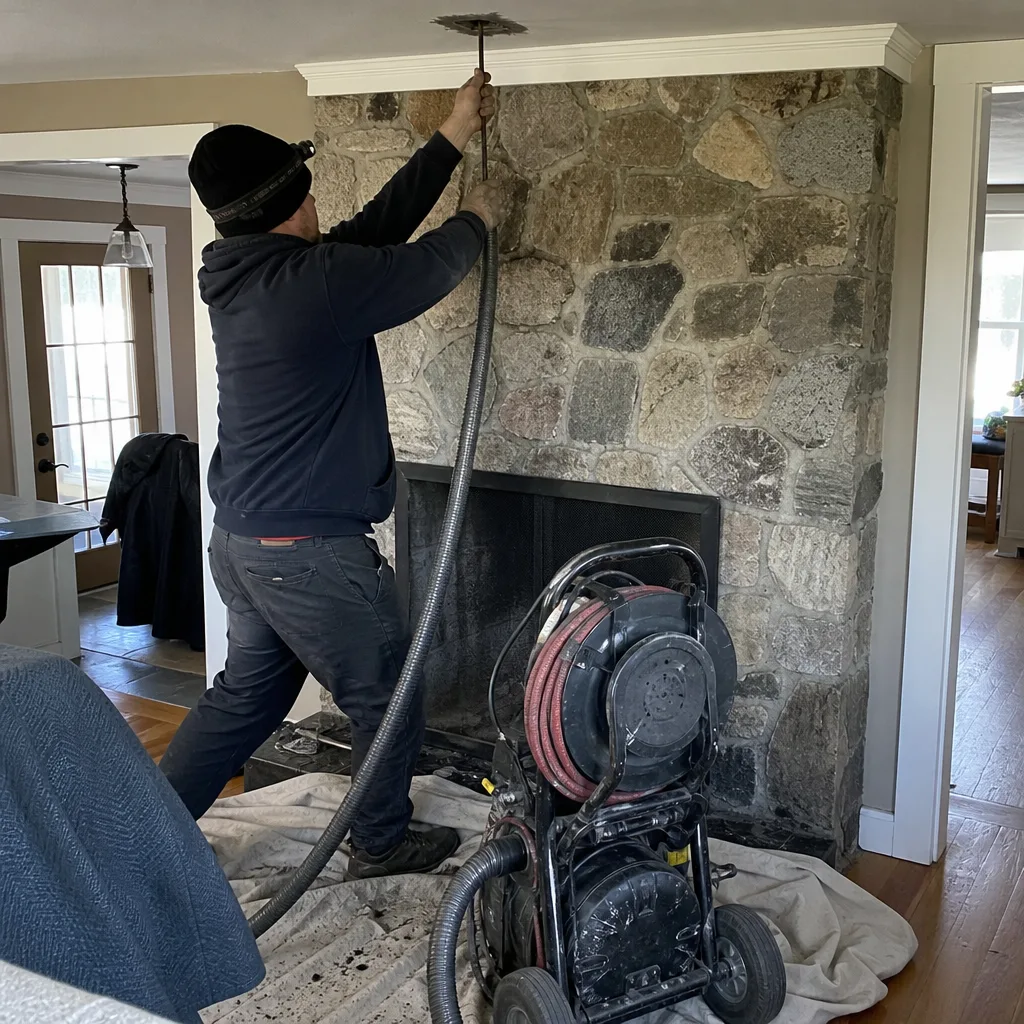 Before
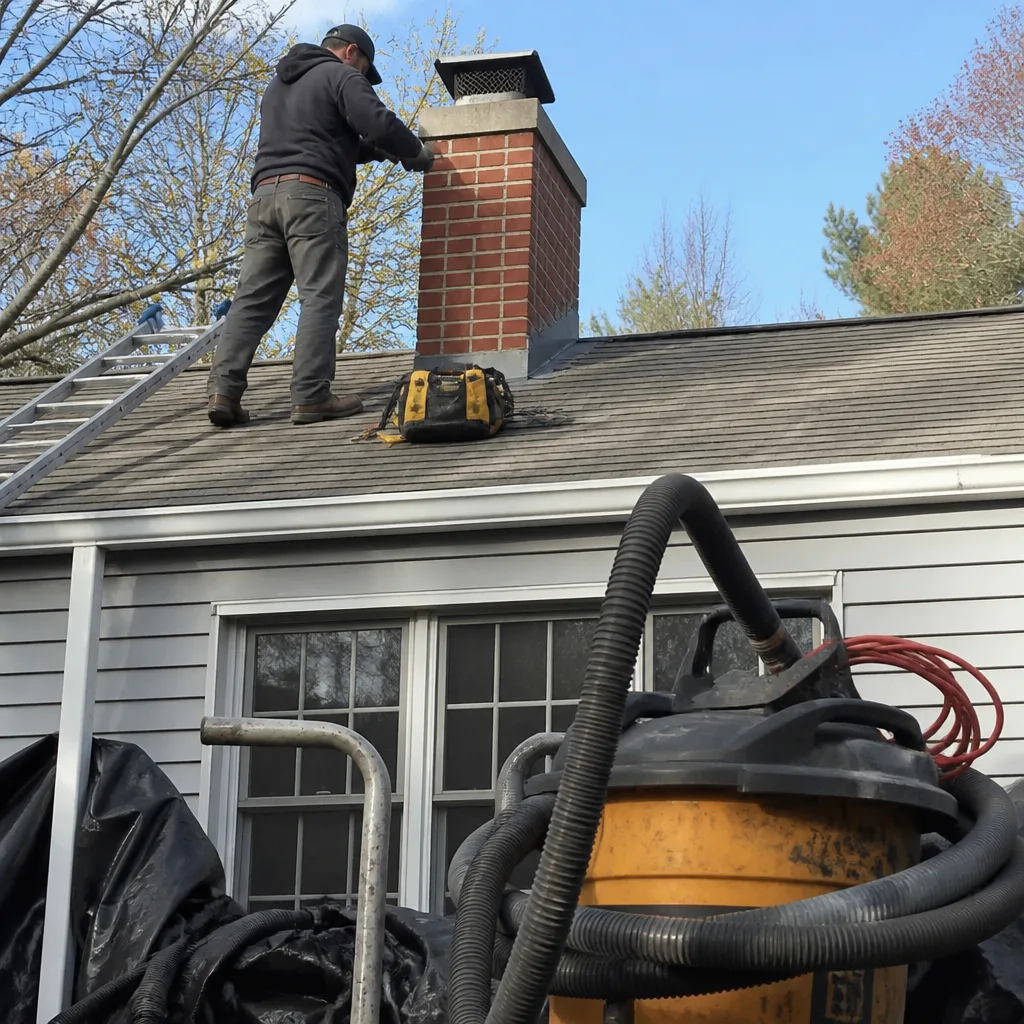 After
After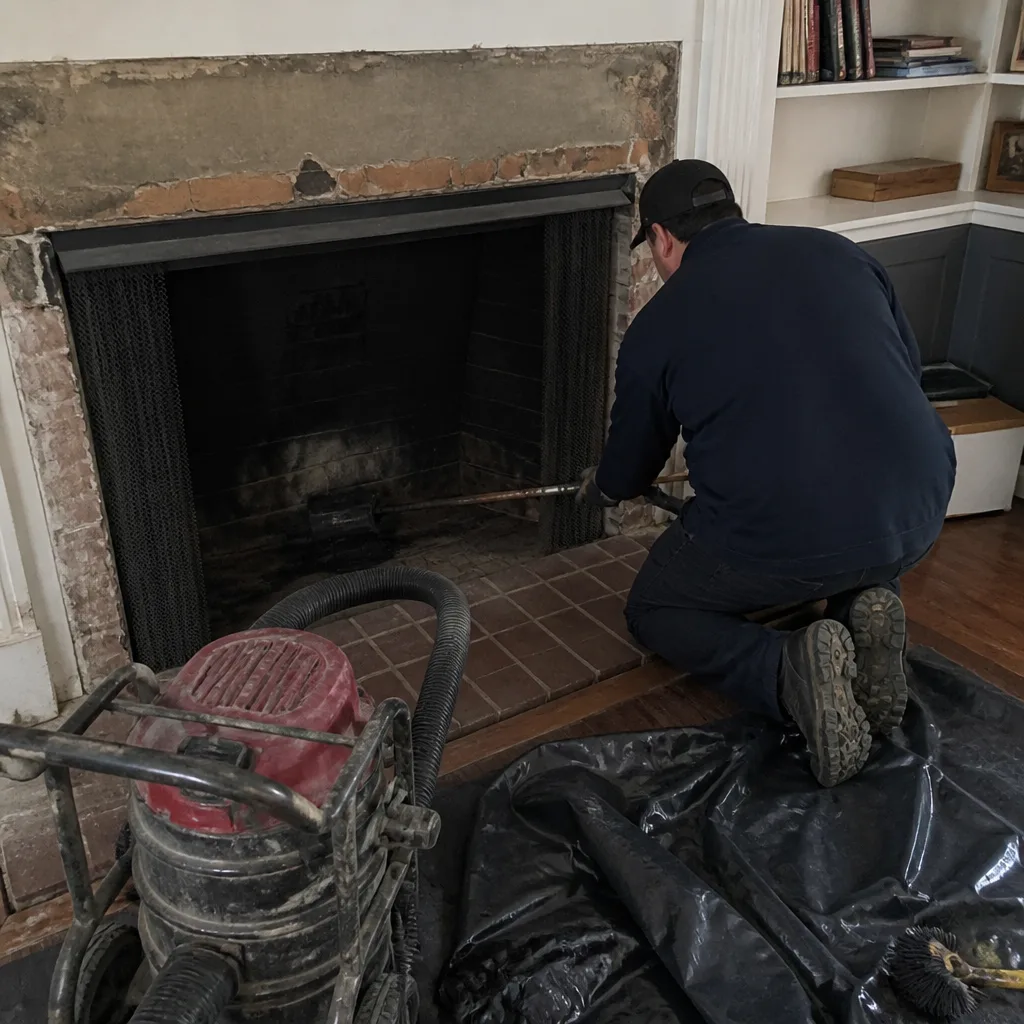 Before
 After
After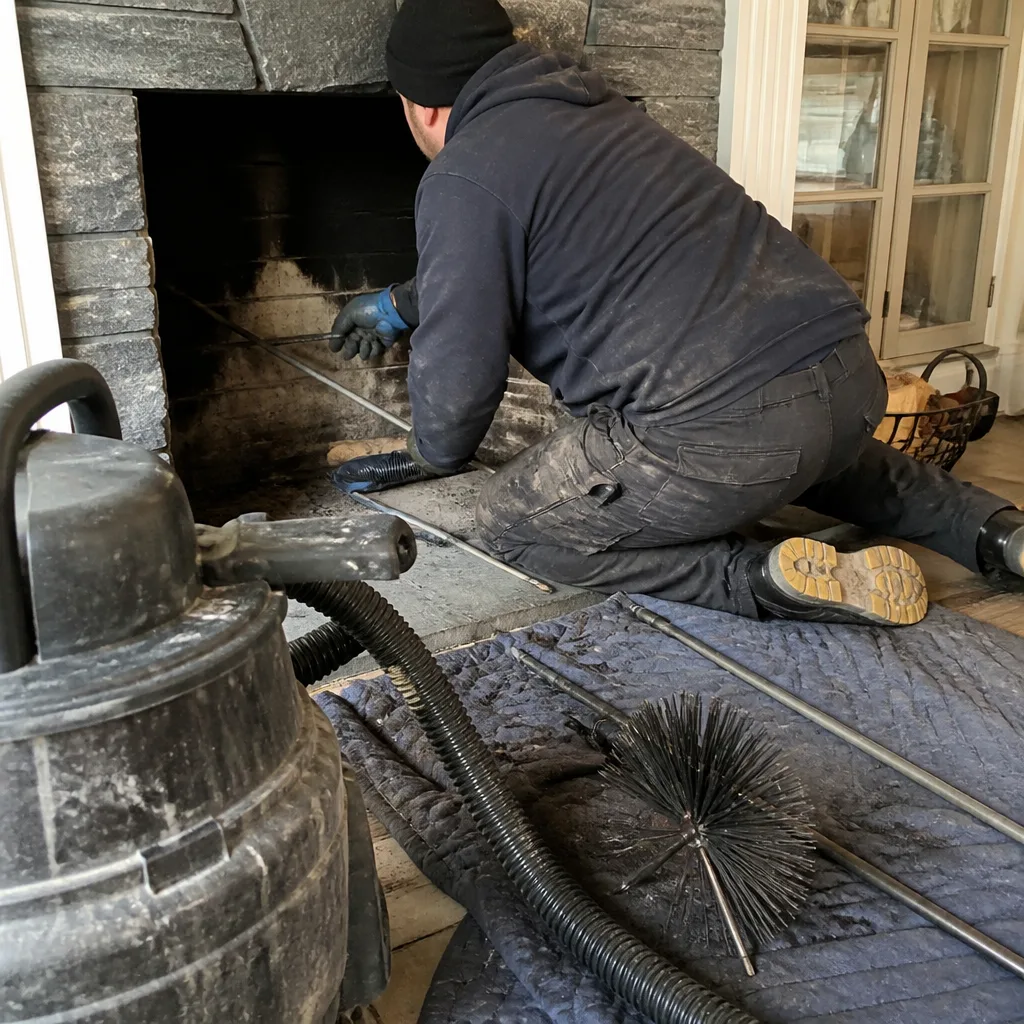 Before
 After
AfterChimney Cleaning Warning Signs: A Haverhill Homeowner’s Reference Guide
A slow-drawing fireplace and a cracked flue tile can look identical from the firebox. One needs a draft adjustment. The other is a documented fire hazard under NFPA 211. Most warning sign guides online list symptoms without telling you which demand same-week action and which you can simply note for your next annual cleaning, unlike The Complete Guide to Chimney Cleaning in Haverhill. That gap in guidance is exactly how chimney fires start in Haverhill homes every winter. In this guide, you’ll learn to sort every warning sign into one of three response tiers, recognize the visual difference between brush-cleanable creosote and the glazed kind that requires chemical treatment, and understand why a chimney can look fine from the outside while the camera reveals something entirely different inside the flue.
Quick Answer
The most serious chimney warning signs - visible flue tile fragments in the firebox, smoke entering the room with the damper open, or fuel odors with no fire burning - mean stop using the fireplace and call a professional this week. Dark staining above the firebox, a newly slow draft, or a visible gap at the damper frame warrant scheduling within two weeks. Minor crown spalling, white efflorescence on the brick, or slight summer odors can wait for documentation at your next annual cleaning, which in Haverhill should happen every year for wood-burning systems per NFPA 211 guidance. If you’re weighing whether to tackle maintenance yourself, see DIY vs Professional Chimney Cleaning: The Haverhill Homeowner’s Decision Guide.
Table of Contents
- Tier 1 Warning Signs: Stop Use and Call Today
- Tier 2 Warning Signs: Schedule Within Two Weeks
- Tier 3 Warning Signs: Document for Next Annual Cleaning
- How to Tell Stage 1 Creosote from Stage 2-3
- What a Camera Scan Reveals That Visual Checks Cannot
- Common Mistakes to Avoid
- When to Call a Professional
- Frequently Asked Questions
 Before
 After
AfterTier 1 Warning Signs: Stop Use and Call Today
These three symptoms indicate active hazard conditions. Continuing to use the fireplace risks chimney fire, carbon monoxide intrusion, or structural fire spread. Do not burn again until a professional has inspected and cleared the system.
Visible Flue Tile Fragments in the Firebox
If you see curved ceramic shards or flaky white material on the firebox floor or smoke shelf, those are pieces of your flue liner. The liner’s job is to contain combustion byproducts and prevent heat transfer to surrounding framing. When it fails, the National Fire Protection Association classifies the chimney as “unsuitable for continued use” until relined or repaired.
In Haverhill, we see this most often in pre-1980s homes in the Mount Washington and Ayer’s Village neighborhoods, where original terracotta liners have cycled through decades of freeze-thaw stress. The fragments often fall during shoulder season, when temperature swings are widest. A homeowner might notice them while building the first fire of October.
What to do: Stop burning immediately. Do not assume the fragments came from “somewhere else” in the system. Every piece represents a breach in the containment layer. Call for a Level 2 inspection with camera documentation to map the full extent of liner failure before any repair quote is written. For help choosing who to call, read How to Hire a Chimney Cleaning Contractor in Haverhill: A Step-by-Step Guide.
Smoke Entering the Room With Damper Fully Open
A properly drafting chimney pulls smoke upward through the flue. When smoke enters the living space despite an open damper, the cause is either a blocked flue, a reversed draft due to pressure imbalances, or a structural breach allowing smoke to leak through the chimney wall.
This is not a draft adjustment issue. Smoke in the room means combustion byproducts - including carbon monoxide - are not exiting the structure. The hazard is immediate and cumulative. Even brief exposure to smoke-laden air can indicate CO levels rising in adjacent spaces.
What to do: Extinguish the fire if safely possible. Open windows to ventilate. Do not use the fireplace again until a camera scan confirms flue integrity and draft function. In Haverhill’s older housing stock, particularly the converted mill-worker cottages in the Acre and downtown districts, we’ve found that smoke intrusion often traces to collapsed mid-flue liner sections that no visual inspection from top or bottom can detect.
Strong Fuel or Exhaust Odor With No Fire Burning
The smell of gas, oil, or wood smoke when the system is cold indicates a breach in the flue or a downdraft condition pulling exterior air through the chimney into the house. For gas or oil appliances, this can signal a disconnected vent connector or backdrafting due to house depressurization. For wood systems, it often means a blocked flue or damaged liner allowing creosote odor to permeate the structure.
In summer months, Haverhill’s humidity can amplify creosote odors from a dirty flue, but a strong fuel smell with no fire burning is different. It suggests active leakage, not residual odor.
What to do: If the smell is of natural gas or propane, evacuate and call the gas company emergency line first. For oil or wood odors, stop using any connected appliance and schedule an inspection within 24-48 hours. The source may be in the chimney, the appliance venting, or the pressure balance of the house itself. A camera scan and draft test will separate these causes.
Tier 2 Warning Signs: Schedule Within Two Weeks
These conditions do not require immediate cessation of use if the fireplace is operated with extreme care, but they indicate developing problems that will worsen without intervention. Two weeks is the outer boundary; sooner is better if you burn frequently.
Dark Staining Above the Firebox Opening
Black or brown discoloration on the mantel face or wall above the firebox opening indicates smoke escaping the firebox during normal operation. The cause is usually a smoke chamber too large for the flue, a poorly designed throat, or creosote buildup narrowing the flue opening and causing turbulence.
The staining itself is cosmetic, but the mechanism causing it is not. Smoke escaping at the firebox level deposits creosote on combustible framing members and finishes. Over seasons, this accumulation becomes a ignition source.
In Haverhill, we document this frequently in homes with 1980s-1990s “zero-clearance” factory-built fireplaces where the smoke chamber was never properly parged (smoothed with refractory mortar). The rough corbelling creates eddies that deposit smoke at the firebox top. A camera scan up through the smoke chamber will confirm whether parging failure or flue restriction is the primary cause.
Slow Draft That’s New This Season
A fireplace that drafted well last year but struggles this year has changed. The change matters more than the symptom itself. Possible causes include:
- Partial flue blockage from bird nests, leaf debris, or collapsed liner material
- Significant creosote buildup reducing flue diameter
- New pressure conditions in the house from added exhaust fans, weatherization, or HVAC modifications
- Exterior chimney damage altering the flue’s thermal performance
The temptation is to “burn hotter” to overcome the draft problem. This is exactly the wrong response. A restricted flue combined with hotter fires accelerates creosote deposition and increases the risk of ignition.
What to do: Reduce or eliminate burning until inspected. Note whether the slow draft occurs in all weather conditions or only on windy days, only in certain temperatures, or only when other appliances run. This context helps the technician isolate pressure-related causes from physical blockage.
Visible Gap at the Damper Frame
The damper frame should seat tightly against the throat when closed and open fully without binding. A visible gap when closed means heated air escapes constantly, but more critically, a gap when open or a frame that has shifted can indicate smoke chamber or lintel deterioration.
We’ve found shifted damper frames in Haverhill homes where the steel lintel supporting the masonry above the firebox has corroded or sagged. The damper frame is often the first visible sign of a structural issue that will eventually require smoke chamber reconstruction or lintel replacement. A camera scan and physical examination of the lintel from the firebox will confirm the extent.
Tier 3 Warning Signs: Document and Raise at Next Annual Cleaning
These conditions are worth noting but do not represent active hazards or imminent failure. They should be photographed, described in your home maintenance records, and reviewed with your sweep at the next scheduled cleaning. Annual cleaning for wood-burning systems in Haverhill is the baseline; more frequent service applies if you burn more than three cords per season or burn unseasoned wood.
Minor Spalling on the Crown Exterior
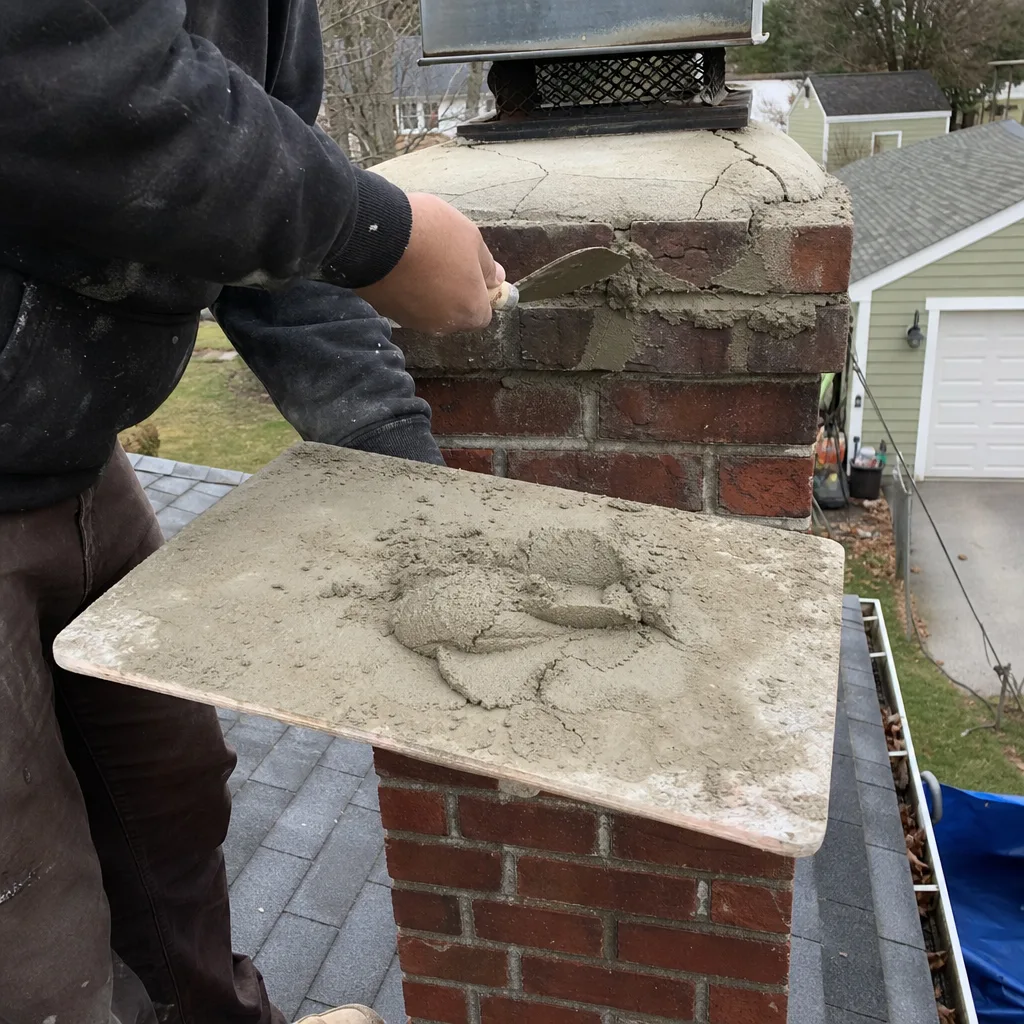
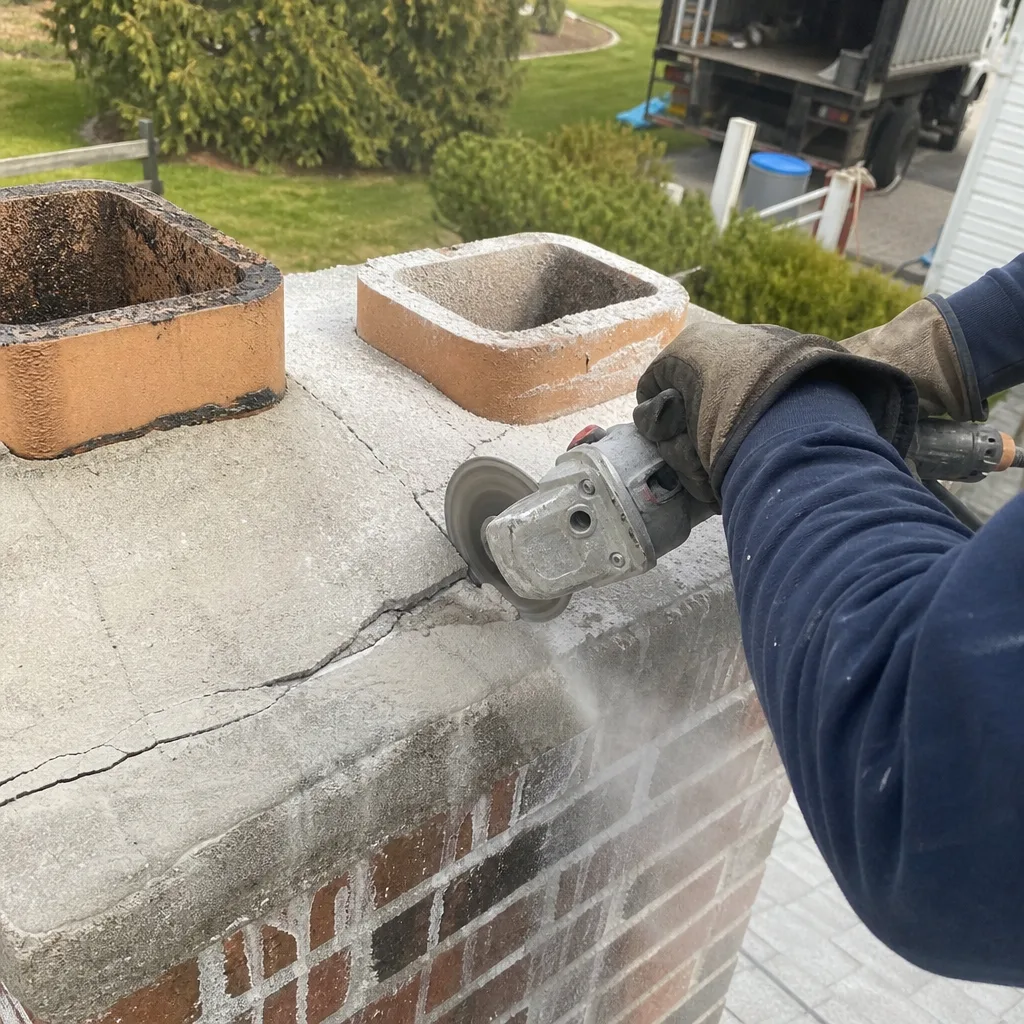
Spalling is the flaking or chipping of concrete or masonry surfaces due to moisture penetration and freeze-thaw cycling. Minor spalling on the chimney crown - small surface flakes, no exposed rebar, no cracks extending to the flue edge - is a maintenance item, not an emergency.
The crown’s job is to shed water away from the flue and the chimney structure. When spalling progresses to cracking that reaches the flue tile or allows water into the chimney body, it becomes Tier 2. Until then, photograph the area annually and note whether the deterioration is advancing. A crown sealant application or minor patching may be recommended before the condition escalates.
White Efflorescence on the Chimney Exterior
The white powdery deposits sometimes called “chimney bloom” are mineral salts carried to the brick surface by moisture moving through the masonry. Efflorescence indicates water penetration, but it does not by itself indicate structural failure. The moisture source may be a failed crown, deteriorated mortar joints, or interior condensation from an unlined or oversized flue.
In Haverhill’s climate, with significant precipitation year-round and freeze-thaw cycles from November through March, some efflorescence is common on older chimneys. The key is whether it’s accompanied by mortar deterioration, interior water staining, or a musty odor in the firebox. Document the location and extent, and ask your sweep to trace the moisture source during the next cleaning.
Slight Odor on Humid Summer Days
A faint creosote or soot smell in the house during hot, humid weather usually indicates a dirty flue and normal air pressure differentials. Warm, moist outdoor air enters the cooler chimney and picks up odor from creosote deposits. This is common and not hazardous if the fireplace is not in use and the damper seals properly.
If the odor is strong, persistent, or accompanied by visible soot fallout from the fireplace, escalate to Tier 2. Otherwise, note it and ensure your next scheduled cleaning includes a thorough flue brushing and smoke shelf clearing. In Haverhill’s riverside neighborhoods like Riverside and Bradford, where summer humidity runs higher, this symptom is particularly common and almost always resolves with proper cleaning.
How to Tell Stage 1 Creosote from Stage 2-3
Creosote forms in three stages, and the stage determines how it must be removed. Misidentifying Stage 2 or 3 buildup as brush-cleanable Stage 1 is a common cause of incomplete cleaning and subsequent chimney fires.
Stage 1: Soot and Fine Ash
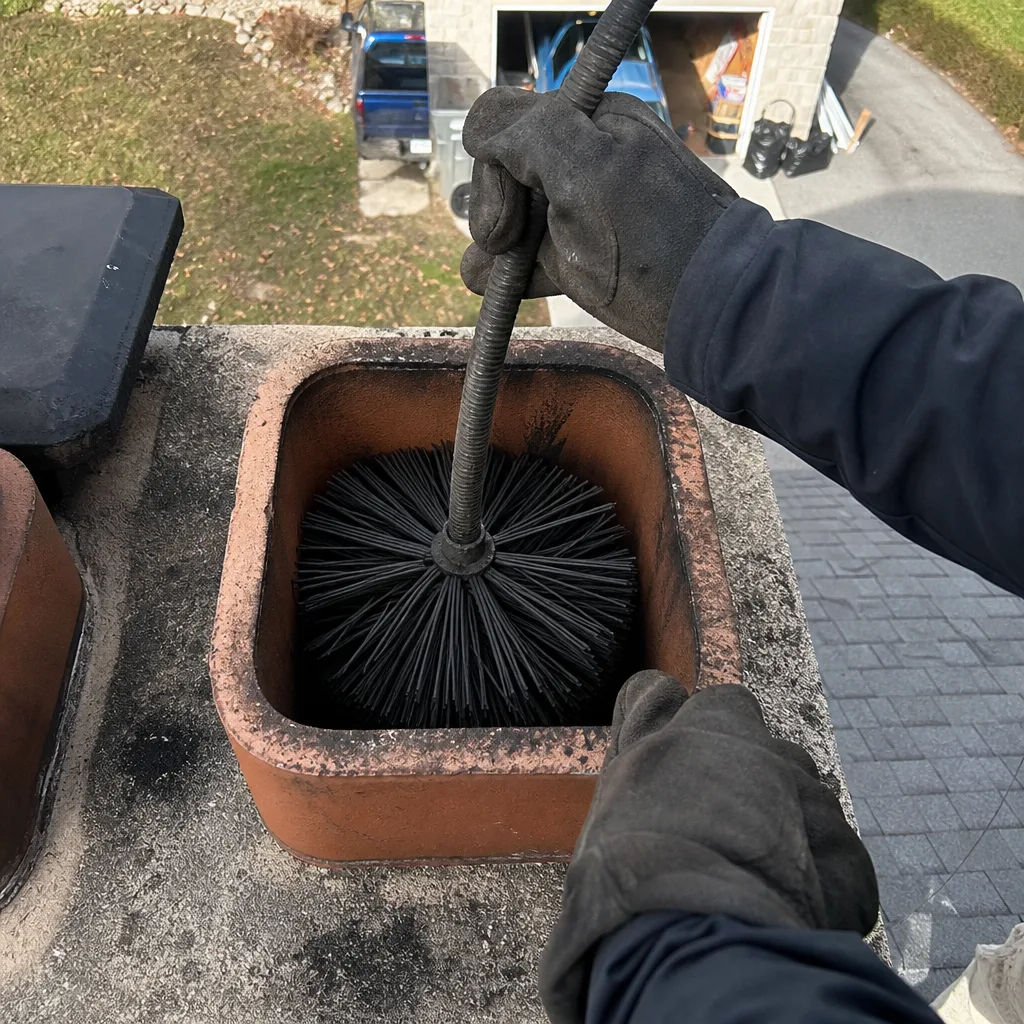
Stage 1 creosote is a loose, powdery black or gray deposit that brushes away readily. It looks like fireplace ash extended up the flue walls. You may see it as a light dusting on the damper blade or as soft material that wipes off on a gloved finger. This is normal combustion residue from well-seasoned hardwood burned with adequate air supply. A standard chimney brush and rod system removes it completely.
Stage 2: Crunchy or Flaky Deposits
Stage 2 creosote has begun to condense and harden. It appears as crunchy, irregular flakes or chips that break away when scraped but do not brush off freely. The color ranges from dark brown to black. From the firebox, you may see these flakes on the smoke shelf or damper frame. They feel granular under pressure, not powdery.
Stage 2 requires more aggressive mechanical removal - chains, whips, or rotary systems - and may need chemical pretreatment to soften deposits before removal is possible. A standard brush pass will not clear it.
Stage 3: Glazed or Tar-Like Coating
Stage 3 creosote is a hard, glossy, enamel-like coating that appears baked onto the flue surface. It ranges from dark brown to black, often with a reflective sheen. It cannot be scratched with a fingernail and will not flake. In severe cases, it forms drips or runs that have hardened in place.
This is the most dangerous stage. It has low ignition temperature and high fuel density, meaning a chimney fire can start from a small spark and burn intensely. Removal requires professional-grade chemical treatment, often over multiple visits, followed by mechanical cleaning. In our experience across Haverhill, Stage 3 buildup is most common in fireplaces burned with the damper partially closed “to save heat” or with consistently green or unseasoned wood.
What Homeowners Can Observe
From the firebox, shine a flashlight up past the damper. Stage 1 will look dusty and will show the flue surface texture beneath. Stage 2 will obscure the surface with irregular, brittle material. Stage 3 will present a smooth, hard, often shiny coating that reflects light. If you see anything beyond light dust, schedule a professional evaluation. Flue diameter measurement and camera inspection are required to assess whether standard cleaning is sufficient or if chemical treatment is indicated.
What a Camera Scan Reveals That Visual Checks Cannot
The warning signs above are all visible from the firebox, the roof, or the living space. But the most serious chimney conditions are often entirely hidden from any external or casual inspection. A Chimney Cleaning & Sweep in Haverhill that includes NFPA 211 Level 2 camera documentation is the only way to assess these.
Level Two Chimney Co. has performed camera-scan documentation on every inspection since 2009 - a practice that became Clause 4 of the Haven Standard. The camera is a high-resolution, articulating unit sent up the full length of the flue on a cable, with the technician and homeowner viewing the live feed. Here’s what it finds that no other method can:
- Mid-flue liner cracks and gaps. A terracotta flue liner can have multiple cracked or displaced tiles in the middle section while the top and bottom appear intact from their respective ends. Only a camera traversing the full flue length maps these breaches.
- Hidden creosote buildup behind offsets or transitions. Chimneys with angled offsets (common in Haverhill’s older homes where flues were routed around structural members) accumulate creosote in the corners that brushes miss. The camera reveals these deposits before they reach Stage 3.
- Combustible material in the flue. Bird nests, squirrel caches, and construction debris from decades past can block significant flue area without being visible from either end. We’ve removed intact bird nests from flues where the homeowner reported only “slightly slower draft.”
- Water damage patterns. Staining, efflorescence, and liner deterioration from chronic moisture entry show clearly on camera even when the exterior brick looks sound. The pattern of damage indicates whether the source is crown failure, flashing leakage, or condensation from an unlined flue.
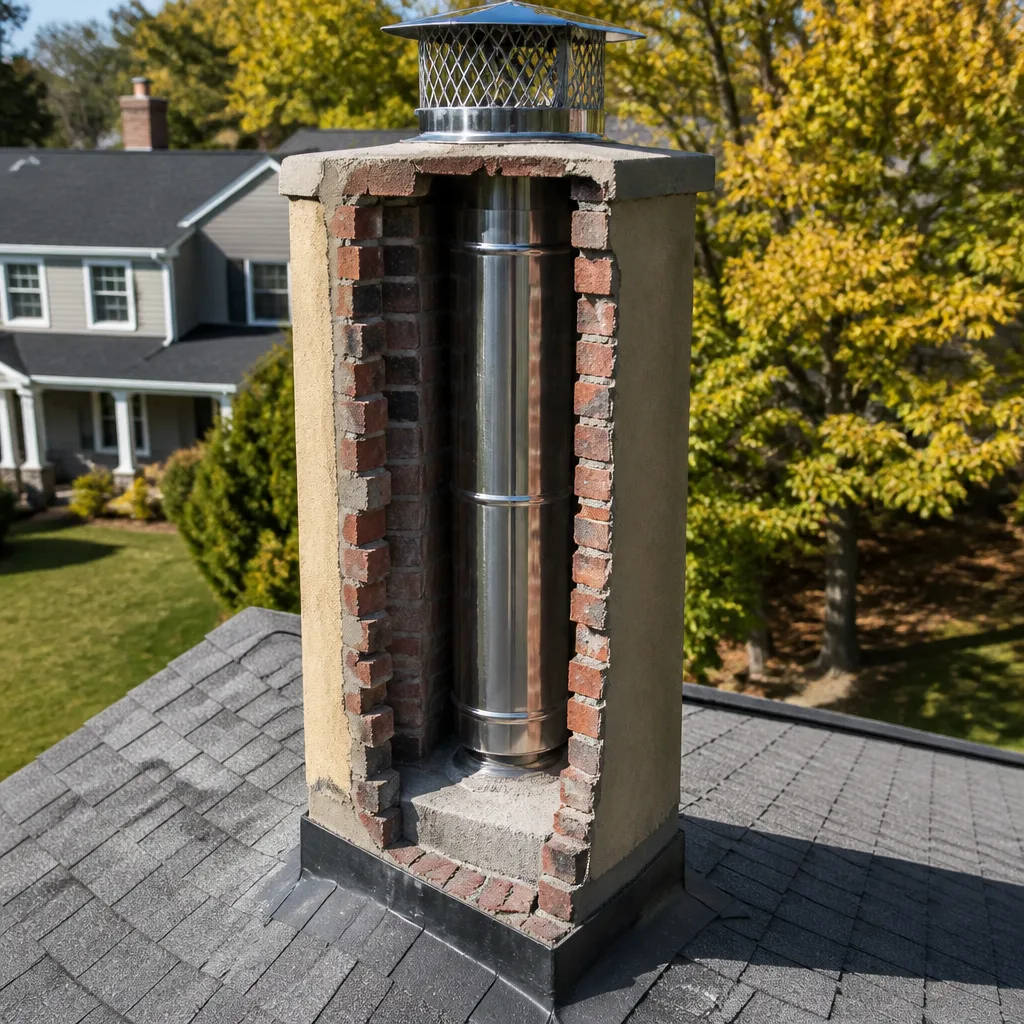
- Smoke chamber and connector condition. The smoke chamber - the area above the damper that funnels smoke into the flue - is inaccessible to standard visual inspection. The camera reveals corbelled construction, parging condition, and any gaps between the fireplace and flue transition.
The absence of visible warning signs is not a clean bill of health. We’ve documented failed liners in chimneys whose owners reported no symptoms whatsoever. The camera finds what the eye cannot, and the documented photo record - required under Haven Standard Clause 4 on every job - gives both technician and homeowner a dated, verifiable baseline for future comparison.
Common Mistakes to Avoid
- Assuming no smell means no problem. Carbon monoxide is odorless. A chimney can vent poorly enough to produce dangerous CO levels while generating no smoke or odor warning. Annual inspection with draft testing is the only verification.
- Using the fireplace “just once more” after finding tile fragments. Every fire with a breached liner risks igniting adjacent framing or allowing CO into living spaces. The cost of an emergency inspection is negligible compared to the alternative.
- Judging creosote by what falls into the firebox. The most dangerous buildup is often higher in the flue, where temperatures are lower and condensation heaviest. What you see at the bottom is not representative of the full system condition.
- Hiring based on the lowest sweep price without confirming what’s included. A flashlight look and brush pass is not an NFPA 211 Level 2 inspection. In Haverhill, we’ve corrected work from sweeps who never ran a camera and missed fully detached liner sections. Ask specifically whether camera documentation is included and whether you’ll receive a written report with photos.
- Waiting for “burning season” to schedule maintenance. Spring and summer scheduling in Haverhill means faster appointment availability and more time to complete any needed repairs before temperatures drop. Fall rush creates backlogs and pressure to defer needed work.
- Ignoring neighborhood-specific risk factors. Homes in the Bradford Historic District with original 19th-century chimneys face different liner and mortar challenges than 1970s raised ranches in Ward Hill. Mention your home’s age and style when booking; it informs what the technician prepares to evaluate.
- Treating all warning signs as equally urgent. This guide’s tier system exists because over-response wastes money and under-response risks safety. Learn the distinction, or rely on a sweep who will explain it clearly.
When to Call a Professional
Call immediately if you observe any Tier 1 symptom: flue tile fragments, smoke in the room with damper open, or fuel odors with no fire burning. These are not diagnostic puzzles; they are stop-use conditions.
Schedule within two weeks for Tier 2 symptoms: new slow draft, dark staining above the firebox, or visible gaps at the damper frame. These indicate developing conditions that will not self-resolve.
For Tier 3 symptoms, document with photos and mention at your next scheduled annual service. If you have no annual service scheduled, the presence of even minor warning signs is reason to establish that baseline. Browse more guides & resources to stay informed.
Level Two Chimney Haverhill offers free estimates in Haverhill - call (351) 444-9705. Every estimate includes a written price before any work starts, per Haven Standard Clause 1. Our technicians are background-checked and uniformed, with license information displayed on every page and a text notification when your tech is en route. We’ve completed more than 38,000 chimney inspections and cleanings since 2009, every one with a documented photo record under Clause 4 of the Haven Standard.
Frequently Asked Questions
A standard chimney cleaning and Level 2 camera inspection in Haverhill typically ranges from $199 to $349 for a single wood-burning flue, depending on accessibility, creosote stage, and whether the smoke chamber requires additional attention. We deliver a written price before any work starts - that’s Haven Standard Clause 1, and it’s how we’ve operated since 2009. Call (351) 444-9705 for an exact quote; estimates are free.
You need a new liner only if the existing one is damaged, improperly sized, or absent - and only if that condition is documented with camera evidence you can see for yourself. We do not recommend liner replacement based on age alone. In Haverhill’s pre-1980s housing stock, we’ve found original terracotta liners still functional and relatively new stainless steel liners improperly installed. The camera scan shows the actual condition, not the assumed one. If a competitor has recommended liner replacement, our Free Second Opinion on any written estimate lets you compare documentation.
NFPA 211 recommends annual inspection for all chimney systems, and cleaning “as necessary” based on creosote accumulation. For wood-burning fireplaces in regular Haverhill use (more than three fires per week during heating season), annual cleaning is the practical minimum. Oil and gas systems typically need less frequent cleaning but still require annual inspection of the venting and connector. Homes in river-adjacent neighborhoods like Riverside may see slightly faster exterior deterioration due to humidity, but this does not change the cleaning interval for properly maintained systems.
Skipped cleaning allows creosote to advance from Stage 1 to Stage 2 or 3, where it becomes significantly harder to remove and far more likely to ignite. A chimney fire can reach 2,000°F, cracking liners, damaging masonry, and potentially spreading to the structure. Beyond fire risk, a dirty or blocked flue can cause carbon monoxide backup into the home. The cost of annual cleaning is a fraction of the cost of fire damage, medical emergency, or emergency liner replacement. Call (351) 444-9705 to schedule; estimates are free.
Homeowners can perform basic firebox and damper cleaning, but flue cleaning requires proper equipment, access, and - most critically - post-cleaning inspection to verify complete removal. More importantly, cleaning without inspection misses the conditions that matter most: liner cracks, hidden blockages, and smoke chamber deterioration. The NFPA 211 Level 2 inspection with camera documentation is the standard for a reason. For the safety-critical components - high-tension spring assemblies on some damper systems, roof access for top-down cleaning, and evaluation of structural conditions - we recommend a trained professional. Level Two Chimney Haverhill’s technicians are equipped and insured for this work.
A Level 1 inspection is a visual examination of readily accessible portions of the chimney exterior and interior, appropriate for systems with no changes and no known problems. A Level 2 inspection adds camera scan documentation of the full flue interior, accessible portions of the attic and basement, and evaluation of clearances from combustibles. It’s required upon sale or transfer of property, after chimney fire or seismic event, or when any work is planned. Level Two Chimney Co. performs Level 2 as our default on every visit - we made this standard in 2009, and it became Haven Standard Clause 4. You receive a documented photo record, not a verbal summary.
The Bottom Line
Not every chimney warning sign demands emergency action, but the ones that do are unforgiving if ignored. Learn to sort symptoms into tiers: stop use today for flue fragments, smoke intrusion, or fuel odors; schedule within two weeks for new draft problems, staining, or damper gaps; document and monitor minor exterior deterioration for your next annual service. Understand that creosote stages look different and require different removal methods. And recognize that the most serious conditions hide inside the flue, visible only to a camera. A Chimney Repair in Haverhill or cleaning appointment that includes NFPA 211 Level 2 documentation gives you verified information, not guesswork. That’s the standard we’ve worked to since 2009, and it’s the standard your home deserves.
For Fireplace Services in Haverhill or to schedule your inspection, call Level Two Chimney Haverhill at (351) 444-9705. Written price before work starts. Camera documentation on every job. The 365-Day Done Right Promise on everything we do.
Written by Corrine Halstead, Owner at Level Two Chimney Haverhill, serving Haverhill since 2009.